We offer advice on stain removal, covering everything from blood to red wine, as well as drycleaning, garment care, and dealing with stains on carpets.
Your options for stain removal include:
Professional drycleaning or carpet cleaning: Recommended for valuable items and large or stubborn carpet stains.
Pre-wash soaker or spot treatment stain removers: Check our test results for:
Home stain removal tools: Our A–Z stain guide tells you what you can use on everything from blood to red wine.
Stain removal rules
Act quickly so the stain doesn’t set.
First, soak up as much of the stain as possible with paper towels.
Dab or brush lightly towards the centre of the stain. Never rub a stain.
Check the fabric care label. Wool, silk, synthetics and non-colourfast garments can be damaged by some chemicals such as bleach or meths.
Take expensive or delicate garments to a professional drycleaner.
If in doubt about a stain removal treatment, test on an inconspicuous spot first.
If you don't know the type of stain, sponge it with dishwashing liquid then rinse.
Rinse in cold water unless otherwise directed. Hot water will set some stains.
What you need
Home stain removal kit
Keep these home stain removal tools handy:
Paper towels – to soak up moisture
Talcum powder – to soak up further moisture
An enzyme-based detergent – many laundry detergents contain enzymes
Ammonia – you'll find cloudy ammonia in supermarkets
White vinegar
Bleach
Glycerine
An alcohol-based solvent such as methylated spirits (meths)
A fat/oil solvent such as turps, white spirits, kerosene or acetone-based nail polish remover.
Common household stain removers
Bleach
Bleach kills mildew and mould and is good at removing coloured stains. Once the stain has gone, wash out the bleach thoroughly.
BEWARE: Strong bleach can fade or damage some items – chlorine bleach is particularly risky. Always dilute as directed. A mild bleach such as hydrogen peroxide (mixed at 5tsp/0.5L water) is less likely to damage fabrics if used correctly.
Solvents
Solvents remove stains by dissolving them. Nail polish remover works on lacquers and some paints and resins, as well as nail polish. Meths is good on adhesive tape, PVA, latex and water-based paints, ballpoint pen ink, waxes, makeup, correction fluid and chocolate. White spirits (used in lighter fluid), turpentine (turps), and kerosene will tackle fat and oil stains, tar and asphalt, and some adhesives.
TIP: To remove sticky price labels or tape marks, heat the sticker with a hairdryer or soak in hot water (if the item’s care label allows). Otherwise, sponge it with a solvent such as meths or nail polish remover.
BEWARE: Some solvents can damage fabrics and plastic surfaces, so always check the fabric care label and the solvent’s label. The fumes can also be hazardous – see "Safe cleaning" below.
Mild acids
Mild acids such as white vinegar, cream of tartar and lemon juice help remove rust and some food stains.
Eucalyptus oil
This can remove some adhesive glues, fat, wax, gum and tar.
Lubricating agents
Lubricating agents such as glycerine or petroleum jelly help soften old stains.
TIP: To loosen an old stain, rub with glycerine and leave for an hour. You can get glycerine from many pharmacies.
Cleaning agents
Cleaning agents weaken a stain’s bonds, making it easier to wash away. Ammonia and borax are all-round cleaners. Enzyme-based laundry detergents, stain removers and soakers are good at tackling protein-based stains, such as blood and egg yolk.
TIP: For laundry detergent, mix to a paste with cold water, then apply.
Drycleaning
Drycleaning is necessary for clothes that would be damaged by cleaning with detergent and water, and to remove difficult stains.
Most drycleaners in New Zealand use a solvent called perchloroethylene or "perc". All traces of it should be removed during the drycleaning process. If there's a lingering smell, air the garment outside before using or storing.
"Green" drycleaning
A handful of drycleaners use hydrocarbon or liquid silicone instead of perc. Although less toxic, hydrocarbon solvents are still petroleum-based and aren't environmentally friendly.
Liquid silicone drycleaning is gentle on clothes and degrades to sand, traces of water and carbon dioxide. But the manufacturing of silicone solvents is not environmentally friendly.
When drycleaning goes wrong
Drycleaning must be carried out with skill and care. General disclaimers or signs stating "all care and no responsibility" hold no weight under the Consumer Guarantees Act.
Before accepting a garment for cleaning, a drycleaner should examine it with you. If there's a chance it can't be successfully drycleaned and they proceed without warning you of the risk, they become liable for any damage. If they warn you of the risk and you proceed anyway, then it's your problem.
If you think a drycleaner hasn't done the job with reasonable skill and care and has ruined your garment, discuss the damage with them. If they won’t put it right, contact The Drycleaners & Launderers Association of NZ.
It's possible that the instructions on the care label are at fault rather than the drycleaner. If so, go back to the retailer who sold you the garment to ask for a refund or replacement garment.
Tips for garment care
Check the care label
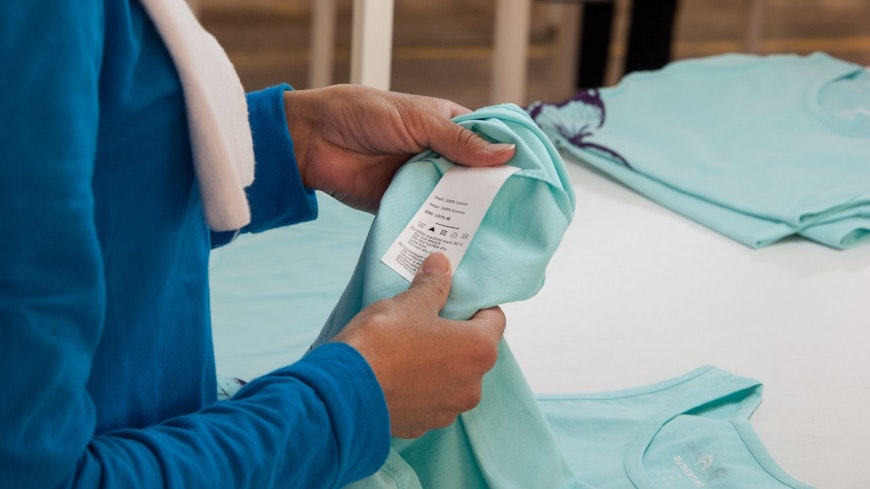
If you don't like handwashing or drycleaning, save time and money by checking garment care labels when buying new clothes. Choose machine-washable garments.
TIP: Many modern washing machines have a "hand-washable woollens" cycle that’s gentle enough for handwash-only garments.
See our washing machines test results for models with this feature.
Wash, dry and press like a pro
Use the right detergent for the job. Liquid detergents are less likely than powders to leave white residue on dark laundry items.
Wash feather filled (“down”) items, such as puffer jackets and sleeping bags, with a specialist cleaning liquid such as Nikwax Down Wash Direct or Grangers Down Wash. Wash by hand or in a front-loading washing machine on a gentle cycle.
Squeeze water out by hand and roll in a towel. Then dry in a clothes dryer, pausing regularly to shake out clumps of down. Don’t let your items get too hot – you may need to switch between hot and cool if your dryer doesn’t have a warm setting. Make sure your gear is completely dry before storing away.
Wash waterproofs made from Gore-Tex or similar technical fabrics with a specialist cleaning liquid, such as Nikwax Tech Wash, Atsko Sport Wash or Grangers Performance Wash.
For denim and other items you don't want to fade, turn them inside out before washing to help preserve colour.
Line drying is best in most cases. If you use a clothes dryer, don't over dry your laundry as it can damage some fabrics.
Dry woollens and other stretchy garments on a flat surface to keep their shape.
When ironing, always use the right heat setting for the fabric. Start by ironing items that need a cooler setting, such as synthetics, before turning the heat up for cottons.
Prevent the shine that irons can leave on some fabrics by placing a thin cotton towel between the iron and garment, or iron inside out.
Iron heavy natural fibres, such as linen, while slightly damp, to get out any wrinkles.
Little fuzzies
Rubbing from normal wear can cause some clothing fibres to unravel, with loose ends balling up or "pilling" on the surface.
Washing with heavy fabrics (like denim) can often remove pilling from machine-washable garments. For handwash-only garments, remove pilling by carefully skimming a razor, “de-piller” (similar to an electric razor) or pumice stone across the fabric while holding it taut.
TIP: Clothing made from tightly-woven natural fibres (like fine merino wool) are less likely to pill than those made from acrylic and other synthetic fibres.
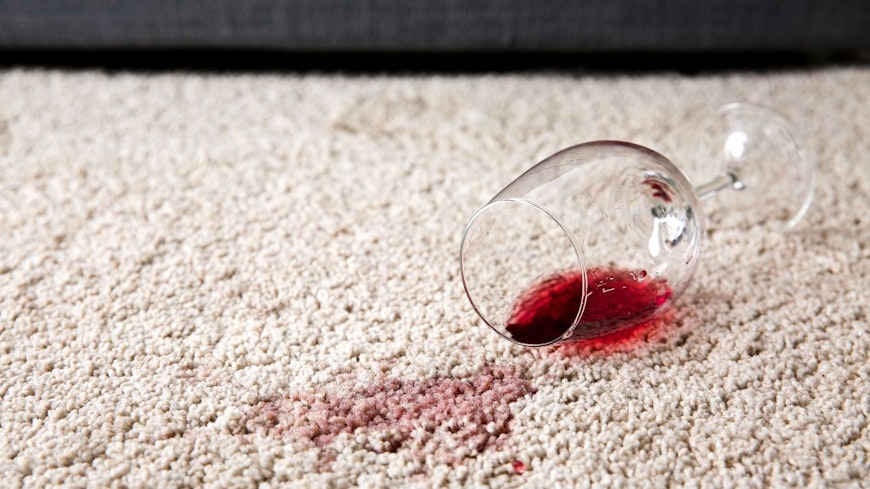
Carpet stains
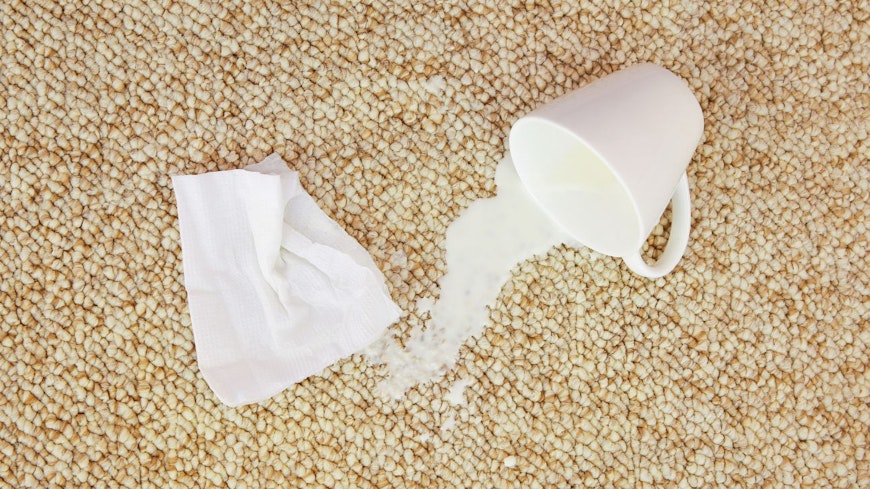
First, remove as much of the stain as possible:
Solids: Use a butter knife to lift off as much as you can, moving from the outside of the stain towards the centre to prevent spreading it. Then dab with paper towels.
Candle wax, crayon and gum are easier to remove after being frozen with ice.
Liquids: Blot up as much as you can with paper towels. Dab the stain – don't scrub as that can leave matted fibres.
Then dilute the stain with cold water and continue blotting until the stain fades. Don't saturate the carpet – if the backing gets wet, its colour can come through, creating a new stain.
Treat the residue with an appropriate carpet spot cleaner. First, test on an inconspicuous patch of carpet to check it won't affect the colour. To prevent the stain from spreading, work from the outside edges towards the centre.
Soak up residual moisture. Mould can grow if the carpet doesn’t dry quickly. Super-absorbent chamois sponges, such as Slurpex, do an excellent job. Otherwise use paper towels. Talcum powder can also help – leave to dry thoroughly then vacuum. You can also use a warm hairdryer on small patches or a dehumidifier and heat pump to dry larger areas.
Serious stains
Large or stubborn stains may need professional carpet cleaning. Some stains permanently change the carpet's colour so can’t be removed. Examples include some dyes (such as hair dye), chlorine bleach, some mustards, turmeric, acid or alkaline cleaners, and plant fertilisers.
IMPORTANT: If the stain is serious and isn’t watery liquid (for example, oily footprints), take photos and call your insurance company before touching it. Repairing the damage might be covered by your contents policy.
Preventing and removing mould, lichen or moss
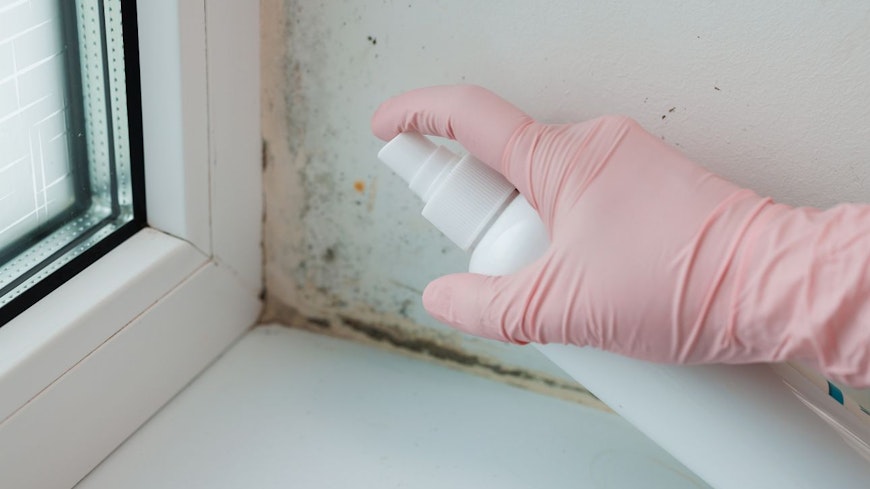
Winter damp can promote the growth of mould, mildew, lichen and moss. And these can create slippery paths, shabby roofs and fences, unsightly paintwork and ruined clothes. Here's how to deal with them.
Mould and mildew
Mould and mildew are types of fungi. The spores are everywhere, but they need moisture to grow. To minimise their growth:
Increase airflow in your home by opening windows on fine days. Consider installing a forced ventilation system.
Use heating to increase the air temperature.
Reduce moisture using a dehumidifier or desiccant moisture absorber.
Install extractor fans in the bathroom, laundry and kitchen.
If the ground under your house is wet, cover with polythene sheeting, taping the joints fitting tightly around the piles.
Make sure the air vents in your home's foundations are clear.
What about existing mould? There are many products on the market that claim to tackle mould. To save money, use household bleach with sodium hypochlorite as the active ingredient – that’s what’s in many more expensive mould treatments. Whatever you use, follow the instructions and test on a small area first.
Moss and lichen
Slippery moss pathways and steps can be dangerous. To minimise the problem, keep the area clear of dead leaves and other debris, and remove overhanging vegetation. In extreme cases, consider installing drainage alongside the path.
To remove existing moss or lichen, you can use a water blaster or chemical treatment. A water blaster is relatively quick, but messy and can damage some surfaces. Chemical treatments often require scrubbing and/or hosing off after a set period of time, but some only need spraying on. Domestic disinfectant uses the same active ingredient as some specialist moss and lichen products, but some have additional ingredients.
You could first try a supermarket disinfectant – look for one with the strongest concentration of alkyl dimethyl benzyl ammonium chloride. When applying, try not to splash surrounding plants to prevent damage.
IMPORTANT: Never mix household chemicals yourself, as this can create a poisonous gas.
A–Z stain guide
Here's how to treat spots and stains on fabrics. In most cases, the item should be rinsed or washed straight after treatment.
You can also download a PDF copy (194 KB) of our stain removal guide to print out and keep handy.
Safe cleaning
Many stain removal chemicals are poisonous or produce dangerous fumes.
Follow these safety guidelines when handling stain removal chemicals:
Store them well out of reach of children and pets
When treating a stain with meths, turps, kerosene, white spirits or nail polish remover, stay well away from naked flames and lit cigarettes
Keep doors and windows open for ventilation, and avoid breathing the fumes
Never use ammonia with products containing chlorine bleach – the fumes produced by the mixture are dangerous.