On this page
Choosing a ventilation system
If you’re sick of stale air and weeping windows, but don’t know where to start, we’re here to help. Follow these steps, in conjunction with using our database, to narrow your options and find the best ventilation system for your home.
Sort out heating and insulation
You should only opt for a ventilation system if you’ve installed floor and ceiling insulation (if possible) as well as a decent heat source. In living areas this should be a fixed, efficient source of warmth, such as a heat pump or wood burner. In smaller rooms, portable plug-in electric heaters are sufficient.
Tackle moisture at the source
Identify any sources of airborne moisture, such as bathrooms, then consider installing a shower dome or extractor fan. Also look at fitting a plastic moisture control sheet to stop rising damp, and check if water is pooling under the home from any blocked drains.
Time for a dedicated ventilation system?
If problems persist, you can opt for a mechanical ventilation system, but note these cost upwards of $2000 (installed). A dehumidifier is a cheaper stopgap solution, but will cost more to run than a ventilation system.
Positive or balanced pressure?
The first thing to consider when looking at ventilation systems is whether you should go for positive pressure or balanced pressure – don’t confuse either with heat transfer systems.
Positive pressure (also known as forced air) ventilation systems work by blowing drier air into your house from the roof space above the ceiling or, in some types, from outside. They suit older houses with wooden joinery better than modern houses with sealed aluminium joinery (unless windows are opened or additional vents fitted). But blowing cold air in from the roof space in winter will require you to ramp up your heating.
Balanced pressure (also known as heat exchanger) ventilation systems extract warm, damp air from living spaces and pass it through a heat-exchanger to heat up dry air, which the system brings in from outside. This can fully meet Building Code requirements. They work best in modern homes and don’t have the same unintended cooling effect as positive pressure systems, so choose a balanced pressure system if your home is well-sealed.
Heat transfer systems aren’t ventilation systems, they simply haul warm air from one room to another (usually from a living area to bedrooms, etc.), but you can add a heat transfer system on to some ducted ventilation systems.
Filters
Ventilation systems filter the air coming from your roof space or the outdoors. There are a wide array of filter types, usually designated by a letter and a number (for example, G4). In general, “F” filters remove smaller particles than “G” filters, so will catch more dust and airborne bacteria. The higher the second number, the more effective the filter – for example, an F7 filter will catch more nasties than an F6 filter. Some manufacturers offer optional advanced filters: carbon filters can be good for removing odours from the air (for example, the smell of everyone blasting their wood burner on a cold winter day), while HEPA filters are claimed to be effective at removing allergens. We recommend going for the standard filter initially, and only adding a carbon or HEPA filter if you find you’re dealing with odours indoors or suffering from allergies.
Optional heaters / summer cooling
Some systems offer the ability to add heaters to ducting, which can be useful for positive pressure systems if you’re concerned about cool air from the roof space reducing indoor temperatures. Summer cooling options, where the ventilation system introduces cooler air to the home, are available but can be expensive.
Controlling condensation
Winter condensation is a widespread problem. In winter we spend more time indoors, creating moisture from cooking, cleaning, washing and even breathing. When we're out of the house we leave it closed up for security.
Insulation adds to the problem. We trap the heat of living areas by keeping doors shut and using heavy curtains and carpets.
This all comes at a price. Warm air holds water better than cold air. Because it's sealed in, the moisture builds up then condenses on cold surfaces such as windows and walls.
The solution is simple – better ventilation. Making it happen is less simple.
If you're living in a draughty old Victorian villa, you shouldn't have too much of a problem with ventilation. But modern houses are much more airtight, so natural ventilation is minimal.
Extra heating is part of the solution, combined with water extraction near the sources. Rangehoods intercept steam from the kitchen; extractor fans are effective at drying out bathrooms. You could also consider a dehumidifier. While these can help control condensation, they’re expensive to run (up to $2.50 a day), often noisy, and must be run constantly. With a dehumidifier you are controlling the symptoms and not dealing with the problem. While not the ideal solution, dehumidifiers have their place.
An automatic ventilation system is a better way of controlling condensation. Whichever way you attack the problem, remember it's even more effective if the amount of water released into the air is reduced.
Sources of moisture
Check your ceiling insulation
If you don't have any insulation, get this installed first. If existing insulation has become dislodged, compacted or wet through roof leaks, it won't be fully effective. It may even be inadequate for your climate.
Fix all insulation problems before considering how to improve your heating and ventilation.
Stop it at the source
Fit extractor fans over the cooktop or stove, and in the bathroom. They must be ducted to the outside.
Always use close-fitting lids on pots when cooking.
Vent the clothes dryer to the outside.
Building code requirements
The building code has minimum requirements for ventilation: all the air in your house should be changed every 3 hours. It says the air in kitchens should be changed every hour; in bathrooms every 2 hours.
To achieve this, the code suggests extractor fans in kitchens and bathroom – and open windows elsewhere – to bring in fresh outside air.
But you won’t want to leave windows open while you are away from home or overnight, for security reasons. An option is to have trickle vents inserted into your windows. These can have insect screens and shutters to control pests and the amount of air flow. Examples are at www.joinerydev.co.nz and www.woodman.co.nz.
Automatic ventilation systems
Once you've taken steps to reduce moisture at its source, an automatic ventilation system is an effective way of reducing condensation. And it's much more convenient than having to open and shut windows.
There are 2 main types of system:
Positive pressure/forced air ventilation systems work by blowing drier air into your house from the roof space above the ceiling or, in some types, from outside. They suit older houses with wooden joinery better than modern houses with sealed aluminium joinery – unless windows are opened or additional vents fitted.
Balanced pressure/heat exchanger ventilation systems extract warm damp air from living spaces and pass it through a heat-exchanger to heat up dry air which the system brings in from outside. This can fully meet Building Code requirements. They work best in more airtight, modern homes.
Which system is best depends on the design of your house, its floor area, the location, how much sun the house gets, the type of roof ... even the local climate.
Before you install any system, do some homework. We've outlined below how the different designs work and some of their pros and cons which should help you decide whether your house is suitable for any of the systems available. Consider what you want to achieve against the types of system – and also look for any extra features you might need to meet your particular requirements.
For best results, a system should be designed specifically for your house and your needs. But this can be quite costly, especially if you choose a fully automated system with multiple outlets or other options.
We recommend getting quotes from several installers who are familiar with your local climate.

Could your next power bill be smaller?
Powerswitch is the free, independent way to check your power plan in just 3 minutes, and see if you could save - backed by Consumer NZ.
Our advice
Balanced pressure systems are the best option, if you can afford it. They'll work in almost any situation, provided they're properly matched to your house and correctly installed. There’s more choice of models since our last survey, but they are still an expensive option.
Positive pressure systems will work in any house that has a suitably dry roof space, and sufficient air leaks past doors and windows. But if your roof is heavily shaded or you live in a colder part of the country, a heater will be essential for ensuring adequate airflow without cold draughts. You may also have to fit small vents to newer houses or leave windows slightly ajar on security stays to achieve sufficient air movement to fully control condensation.
Solar-powered systems (a variation on positive pressure systems) will be effective anywhere that has enough sunshine – which means most parts of New Zealand. And they will always have the lowest running costs.
Always choose suppliers who are familiar with your local climate, and get at least 2 competitive quotes.
“Heat recovery” units
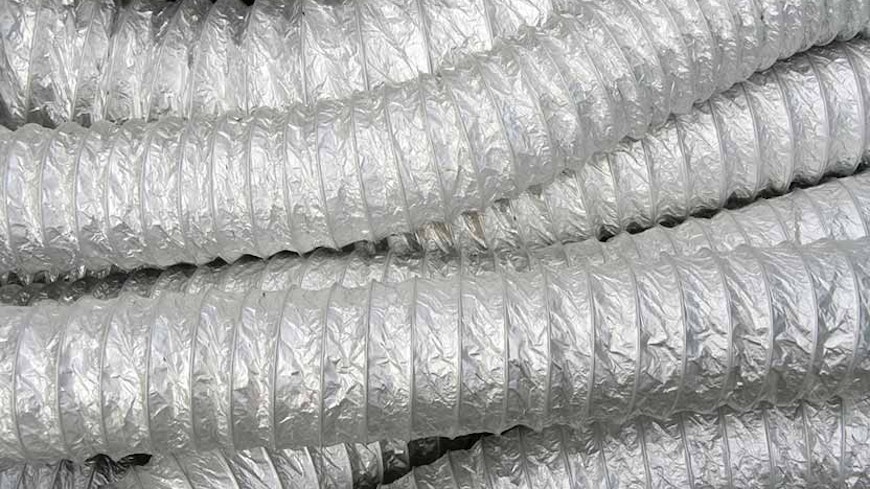
Ventilation system ducting.
The most effective type of “heat recovery” unit is the balanced pressure system (see above), which extracts warm damp air from living spaces and passes this through a heat-exchanger to heat dry air which the system brings in from outside. Inline heaters are not required.
This type of system conforms to the heat recovery definitions of the American Society of Heating, Refrigeration and Air-Conditioning engineers (ASHRAE). Local ventilation standards are based on ASHRAE standards.
For a number of years, the HRV company advertised products which claimed to recover heat from the roof space. In our opinion, these were positive pressure systems. HRV was not alone in this approach; other makers used similar advertising.
Positive pressure systems can undoubtedly extract warm air from the roof space when it's available (on sunny summer days, for example).
But often when warmth is most needed, on cold grey winter days, the roof space is also very cold. A study from the University of Otago shows that in winter the air in the roof space is usually colder than inside the house, and on winter nights can be colder than the outside air.
The HRV company now sells both positive pressure and balanced pressure systems.

We can't do this without you.
As an independent non-profit, we depend on the generous support of our members and donors to keep us fighting for a better deal.