By Gemma Rasmussen
Head of Research and Advocacy | Tumuaki Rangahau, Taunakitanga
It’s starting to feel like Groundhog Day. The Commerce Commission’s new Annual Grocery Report shows that little has changed when it comes to supermarket competition. Here’s what the research tells us – and two ideas that could actually make a difference.
Key findings from the Annual Grocery Report 2025
The third Annual Grocery Report by the Commerce Commission shows the same major retailers still dominate our supermarket landscape, with approximately 82% market share. The only outlier is Auckland, sitting at approximately 71% due to bulk-buy giant Costco and a handful of smaller and independent retailers.
This news won’t be surprising to anyone who’s hit the grocery aisles lately. There’s not a lot of choice as to where to shop, and food feels expensive. So what have we gained from a market study and annual grocery reporting that has cost millions of dollars in taxpayer funds? For the most part, it’s insights are that the sector is not working as it should. Before the Commission’s grocery market study in 2022, we had a suspicion this was the case. Now we know for sure.
According to the latest report, the major supermarkets’ profitability shows limited movement. Opening the wholesale access regime was thought to be the golden ticket for competitive entry, but it hasn’t delivered meaningful impact to competition. Smaller retailers can’t get the wholesale prices that the major supermarkets access internally, which impacts their ability to price sharply. Competitors can buy, but they don’t have access to comparable pricing, promotional support and product range.
There’s been policy tinkering at the edges, like the banning of restrictive land and lease covenants, which removes barriers to new sites and stops incumbents from ring-fencing neighborhoods. That said, this doesn’t actually build new supermarkets, and major overseas supermarkets have shown little interest in building on our shores, likely because of our small population and isolated location.
For a new supermarket, the ability to match the range, price and promotions that our incumbents have a stronghold on is a major hurdle. Our grocery sector is worth approximately $28 billion, so it’s little wonder our two major players will fight tooth and nail to hold onto this if they can.
What the public thinks about food prices
Food prices are now the main factor driving people’s grocery decisions, according to Consumer NZ’s nationally representative research. In other words, many of us are willing to travel further and shop a smaller range of products, of worse quality, in order to save money. And 71% of respondents say they are buying more budget or homebrand products – which further plays into the major supermarkets’ dominance.
Confidence in government action on food affordability remains exceptionally low and has not improved since 2025. Only 8% of the public express high confidence in government policies, while 67% have low confidence. At the same time, there is clear public appetite for stronger intervention, including more competition, more oversight and targeted price regulation.
After years of policy tweaks and procedural upgrades, the grocery sector’s core structure looks the same, and shoppers have little choice as to where to place their dollars. People are ready for change.
Two ways to bring food prices down
So, where to from here? At Consumer NZ, we’d like the price of groceries to be an election issue, with a plan for meaningful change in the grocery aisles. There are two international examples that could be worth considering.
Crack down on excessive supermarket pricing. From July, a new Australian law will ban excessive grocery pricing. Under the law, major supermarkets must not charge prices that are “significantly excessive” relative to the cost of supply plus a reasonable margin. Breaches can trigger penalties up to A$10 million, three times any benefit gained or 10% of annual turnover. This shift in tactics regulates pricing practices rather than changing the market structure. In nationally representative research we ran, 87% of New Zealanders said they would support introducing a similar law here.
Introduce a publicly owned supermarket chain. Set up an independent, government-owned supermarket chain that has a significant presence across New Zealand. This would provide suppliers with another major retailer to negotiate contracts with, and, in theory, more competition could drive prices down. This would be an expensive option but could lead to a healthier long-term supermarket sector with fair pricing for shoppers. While there are no clear precedents for this in countries similar to New Zealand, New York City mayor Zohran Mamdani recently made global headlines by launching an initiative to open five city-owned grocery stores. While commentators in Aotearoa are increasingly discussing this idea, it hasn’t gained political traction thus far.
Whatever happens, we don’t want to continue reporting on how the supermarket sector is not delivering outcomes for New Zealanders. How positive change can be injected into the grocery sector is the billion-dollar question. Whether it’s structural change, tougher enforcement or our own ban on “excessive pricing”, the objective remains unchanged: reduce the duopoly’s grip and deliver a fairer deal at the checkout.

We can't do this without you.
Consumer NZ is independent and not-for-profit. To help us get a fairer deal for all New Zealand consumers, you can make a donation. We’ll use your contribution to investigate consumer issues and work for positive change.
Was this page helpful?
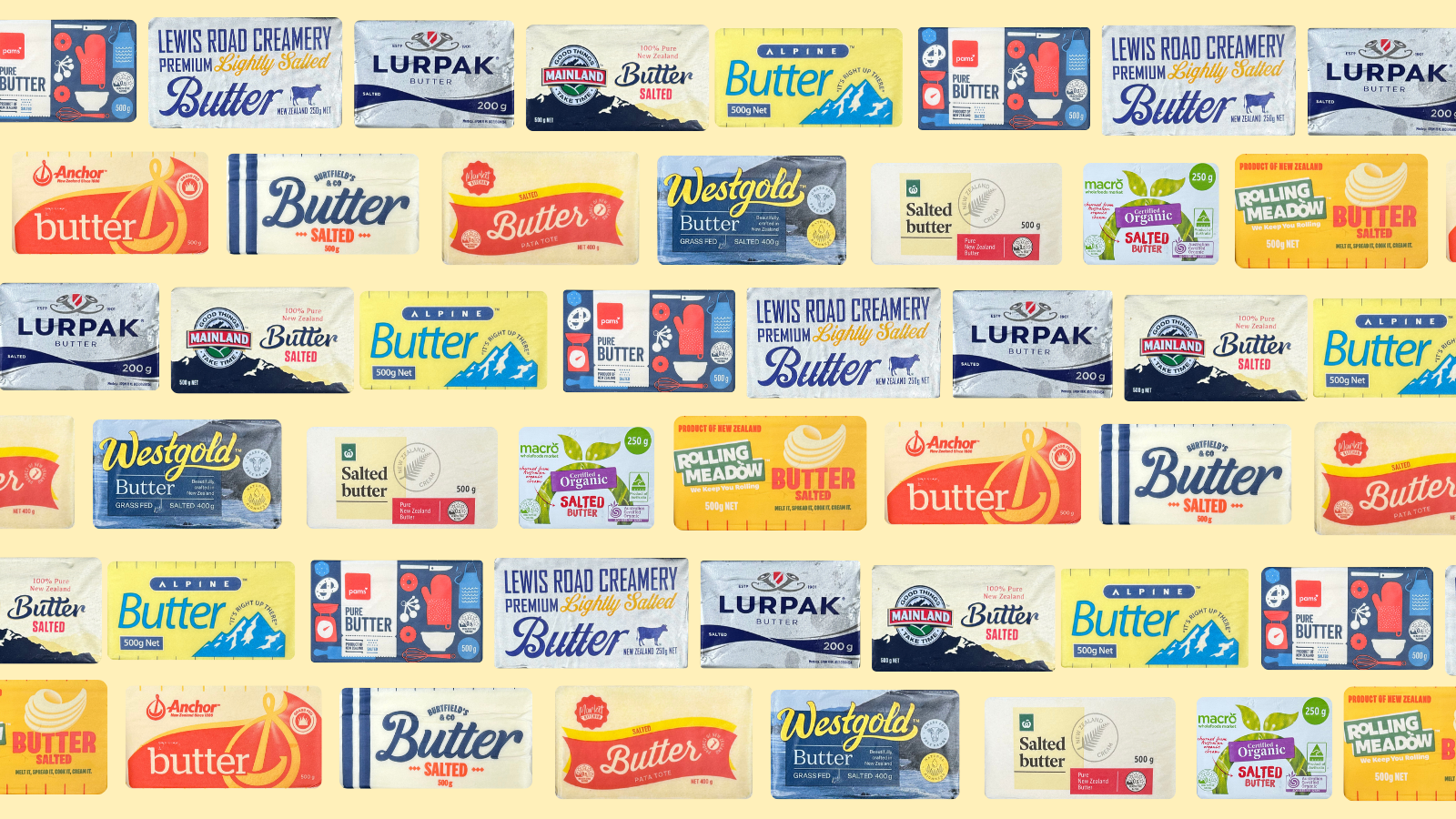
Best butter in NZ: 12 brands taste-tested
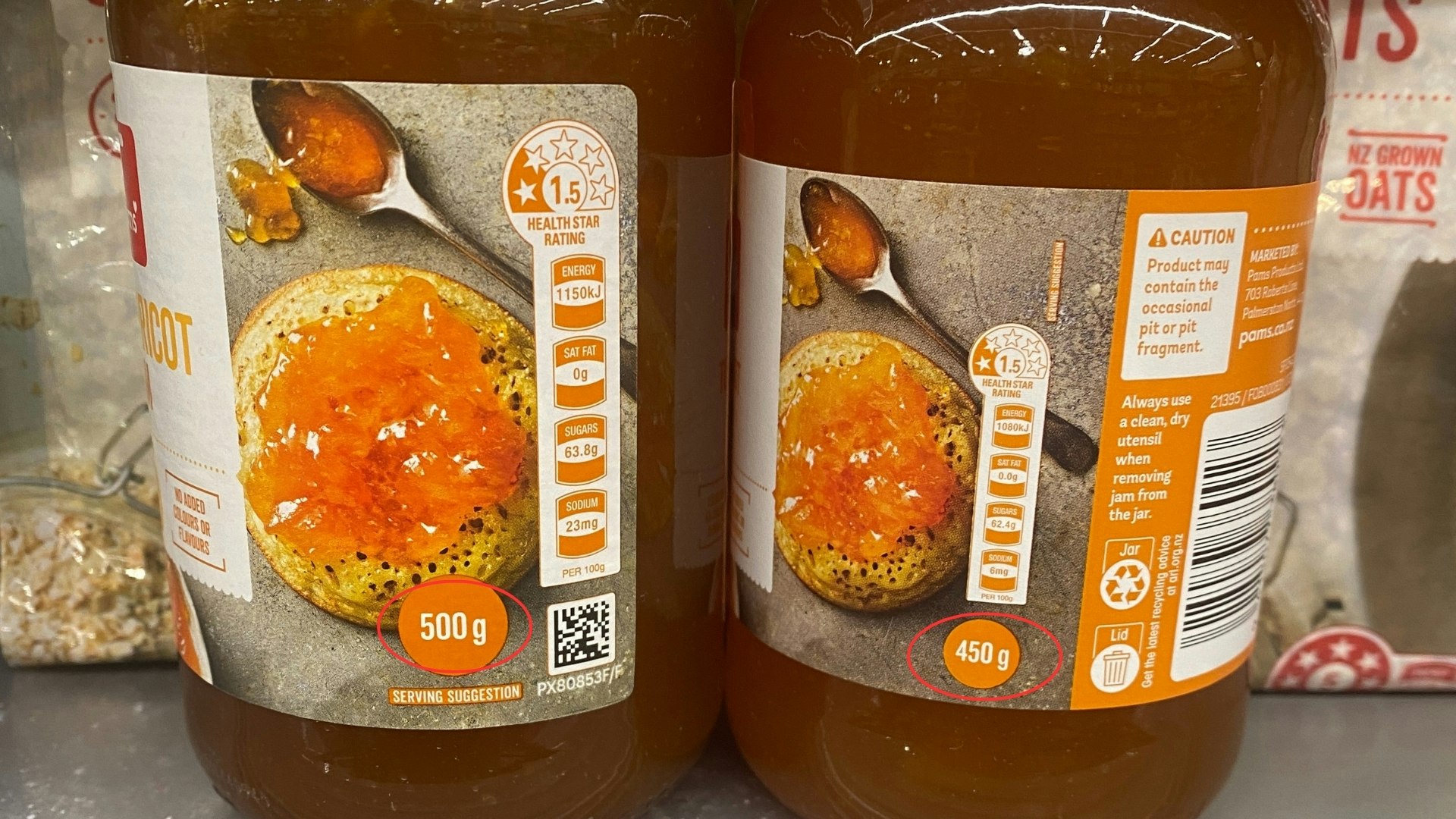
7 supermarket products that have shrunk in size or quality
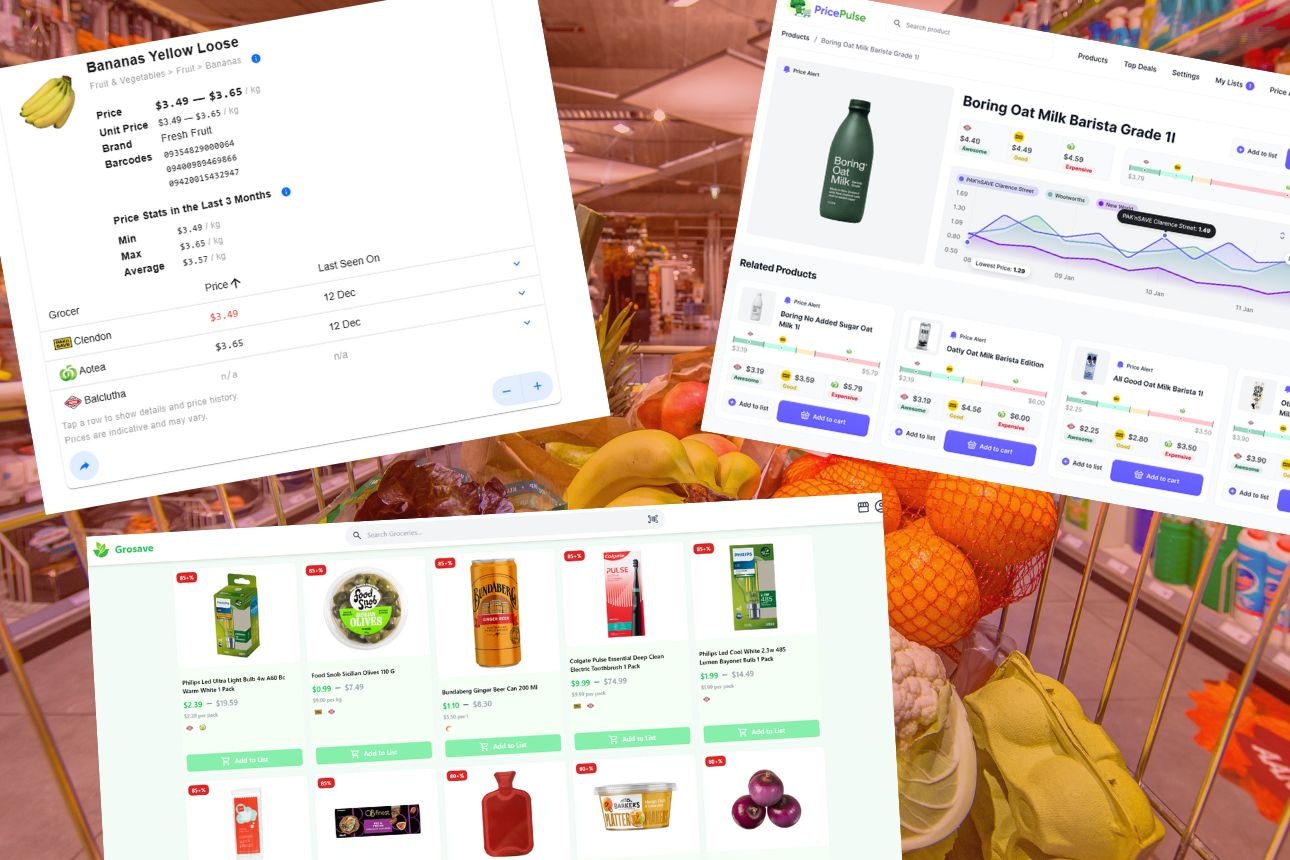
The 3 best grocery price comparison tools in New Zealand