By Belinda Castles
Researcher | Kairangahau
With the arrival of warmer weather and longer days, I’m committed to upping my daily exercise. Supermarket shelves are full of an increasing range of electrolyte products promising to “support hydration” during and after exercise.
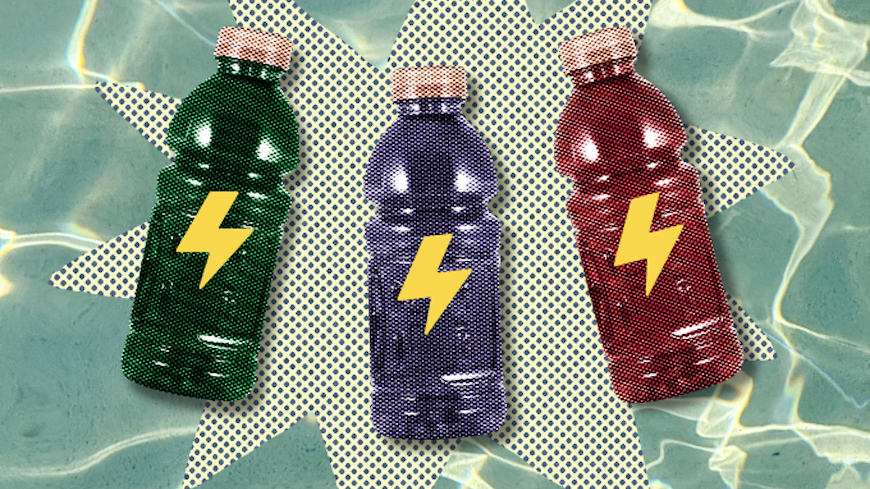
While sports drinks such as Powerade and Gatorade have been around for years, newer products, including carbonated drinks, are jumping on the hydration bandwagon.
Examples of electrolyte products include:
Powerade Sports Drink – a combination of electrolytes and carbohydrates for hydration and energy
Vitasport Electrolyte Rehydration sachets – for rapid electrolyte replacement
Musashi Fuel Electrolytes powder – to support hydration and replace key minerals lost in sweat
carbonated drinks making hydration claims, such as No Ugly Hydrate+ and Picky Hydrate.
So, it got me thinking – should I be adding them to my daily routine or is water all I need?
To help me decide I checked in with Professor Katherine Black, a lecturer in sport and exercise nutrition at the University of Otago.
Want more independent advice to help you shop smarter? Subscribe to the Consumer NZ newsletter and get our best stories in your inbox every week.
What are electrolytes?
Electrolytes are minerals that have an electrical charge when dissolved in water.
Electrolytes such as sodium, potassium, magnesium and calcium are essential for your body to function – they help muscles contract, regulate heart rhythms and help your body maintain the right fluid balance.
Electrolyte products come in different guises. Here are some of the options we found at the supermarket.
Sports drinks: Powerade and Gatorade are the big brands in the sports drink market. Loaded up with electrolytes, they also contain carbohydrates usually in the form of sugar (although you can get sugar-free versions). You’ll pay about $4.50 for a 750ml bottle of Powerade or $4 for a 1L bottle of Gatorade.
Electrolyte sachets: Sachets like Vitasport Electrolyte Rehydration are added to water. The main ingredient is sugar, although 99% sugar-free options are available. Sachets tend to be cheaper than a ready-to-drink product about $3.50 for a pack of three sachets. Each sachet makes 600ml.
Electrolyte powder: In the supplements aisle you’ll find powders such as Musashi Fuel Electrolytes. Like the single-serve sachets, you mix it with water. A 300g jar (that makes up 15L) costs about $25 or less than $2/L.
Carbonated wellness drinks: Drinks like Picky Hydrate and No Ugly Hydrate+ are carbonated drinks with added electrolytes. Their main ingredient is carbonated water, and they are sweetened by fruit juice concentrates or purees and intense natural sweeteners such as monk fruit extract or stevia. They cost about $5 per 250ml can.
Do you need electrolyte products for hydration?
For people like me, whose regular routine is a 45-minute walk or a game of tennis doubles, Professor Black says water is all that’s needed to keep hydrated. Most people already get enough electrolytes from their diet, so don’t need the extra these drinks provide.
“Calcium, particularly in teenagers, is useful for bone health but it is best to get it from whole foods or drinks such as milk, which also contains protein, vitamin D and other nutrients important for health and growth.”
Black says potassium is naturally occurring in bananas, potatoes and dairy products and magnesium is in nuts and seeds, green leafy vegetables and wholegrains.

“Sodium added to drinks improves their flavour and can encourage consumption of water. But most people over-consume it,” she says.
We need a small amount of sodium in our diets for good health – 460–920mg a day for adults and even less for children. But too much, especially in people who are not active, can increase blood pressure, which is a leading cause of strokes.
Black recommends checking the nutrition information panel and ingredients list. Some products, particularly sports drinks, are high in sugar and add excess kilojoules which aren’t necessary unless you’re exercising for longer periods.
“Another thing to consider is most of the products are also acidic – they contain food acids such as citric acid. These can cause dental erosion so you shouldn’t be sipping on them all day.”
We raised similar concerns about carbonated drinks that make gut health claims.
When might electrolyte products be beneficial?
Professor Black says there are some instances when electrolyte products can be useful, and others where the benefits might be overstated.

High-intensity exercise
If you’re exercising intensely for more than 60 minutes you can lose a significant amount of sodium through sweat, so an electrolyte drink may be beneficial as it can aid hydration.
Black recommends choosing a sports drink, such as Powerade or Gatorade, that has carbohydrates as well as electrolytes, rather than a product that only contains electrolytes.
"The extra sugar in these products isn’t a problem if you are drinking them around exercise to provide energy for that exercise session”.

Recovering from an illness
If you’re suffering from vomiting or diarrhoea, electrolyte drinks may help replace lost fluids and electrolytes. However, Black says in this instance you’re probably better choosing an oral rehydration product, such as Hydralyte or Enerlyte.
"Oral rehydration solutions contain a specific balance of sodium and glucose to help improve water absorption and replace the salts lost during illness. General electrolyte drinks on the other hand are marketed more for taste, exercise hydration or general wellness.”
Healthify He Puna Waiora, New Zealand’s largest independent health information website, cautions against homemade rehydration solutions. They need to be made carefully to ensure too much salt isn’t added.
Can electrolyte drinks help a hangover?
Drinking too much alcohol can dehydrate you and make you feel like you want to crawl under a rock. But while an electrolyte drink can help you replace fluids, and the flavour makes it easier to stomach, they’re not a hangover cure.
Find the best health insurance
We've independently surveyed 12 policies from 6 insurance companies to help you avoid an expensive mistake.