By India Lopez
Editorial & Production Manager | Pou Whakahaere Pānui Ētita, Whakaputa Hautaonga
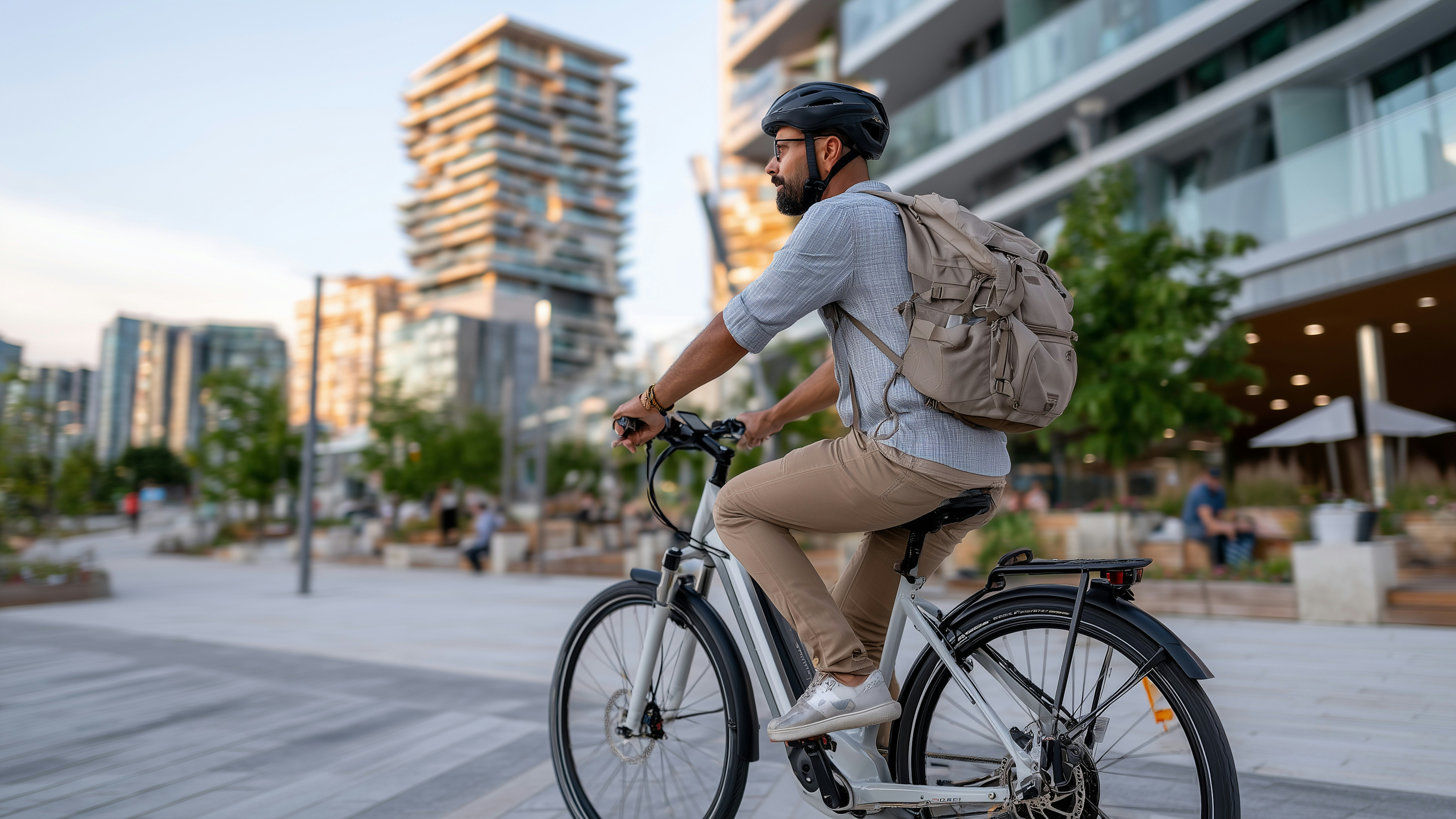
If you’d told me a year ago I was going to become a Bike Person, I wouldn’t have believed you. Navigating Wellington streets on two wheels, especially with my kid on the back, seemed terrifying.
But, like Covid or Taylor Swift, e-bikes have a way of getting us all in the end. The quicker, cheaper commute – with built-in exercise – won me over, and I’ve spent the past six months learning all I can about my new vehicle of choice.
Here are five buzzy bike developments you should know about.
Need a new e-bike?
Consumer NZ’s free buying guide will help you choose the best type and features for your lifestyle (and budget).
They’re replacing the family car
This one is no surprise to me, living as I do in Newtown, Wellington, where every man and his dog owns a high-spec cargo bike. (Literally – I saw a Yorkshire terrier riding on one a few days ago, wearing a pair of goggles like an old-school aviator.)
Every morning, when I drop my son at school on my relatively humble e-bike, I see other parents with two or even three kids on board, each family sporting its own handpicked combination of padded seats, backrests, rails and handlebars.
Consumer’s testing suggests I’m not imagining the shift. Our current crop of e-bikes includes far more family-friendly options than in previous years.
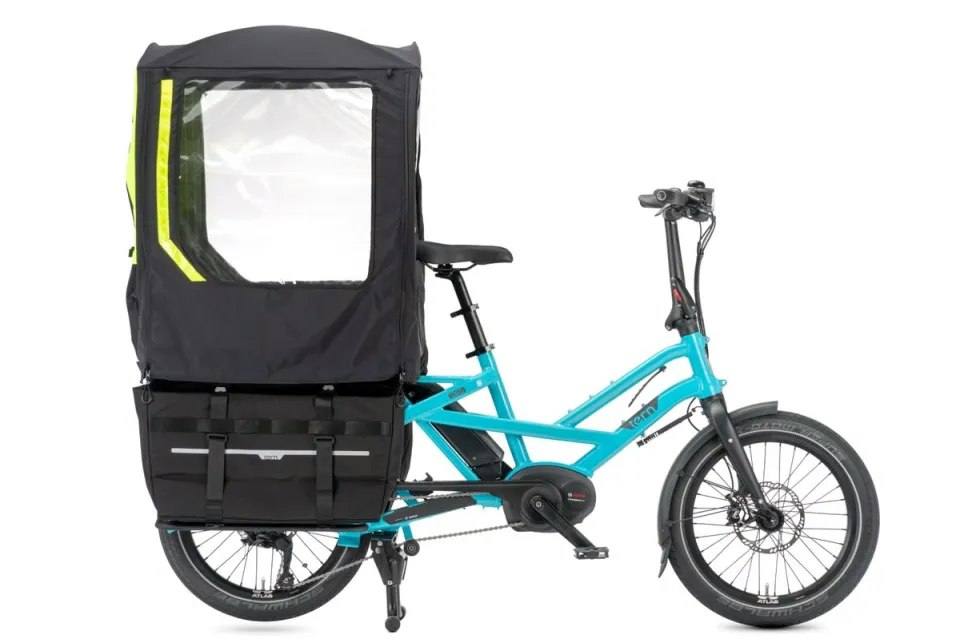
Take the Tern GSD S10, for example. Despite being the same size as a conventional bike, it can carry an adult plus two kids, with a maximum gross vehicle weight of 200kg.
And the accessories! My favourite is the Storm Shield, which turns your bike into a modern-day carriage, with the adult as the long-suffering horse.
We’ve also reviewed family-friendly bikes from Sinch, Yuba, Wattwheels and more, rating them all on trail, road, daily and cargo use, as well as quality.
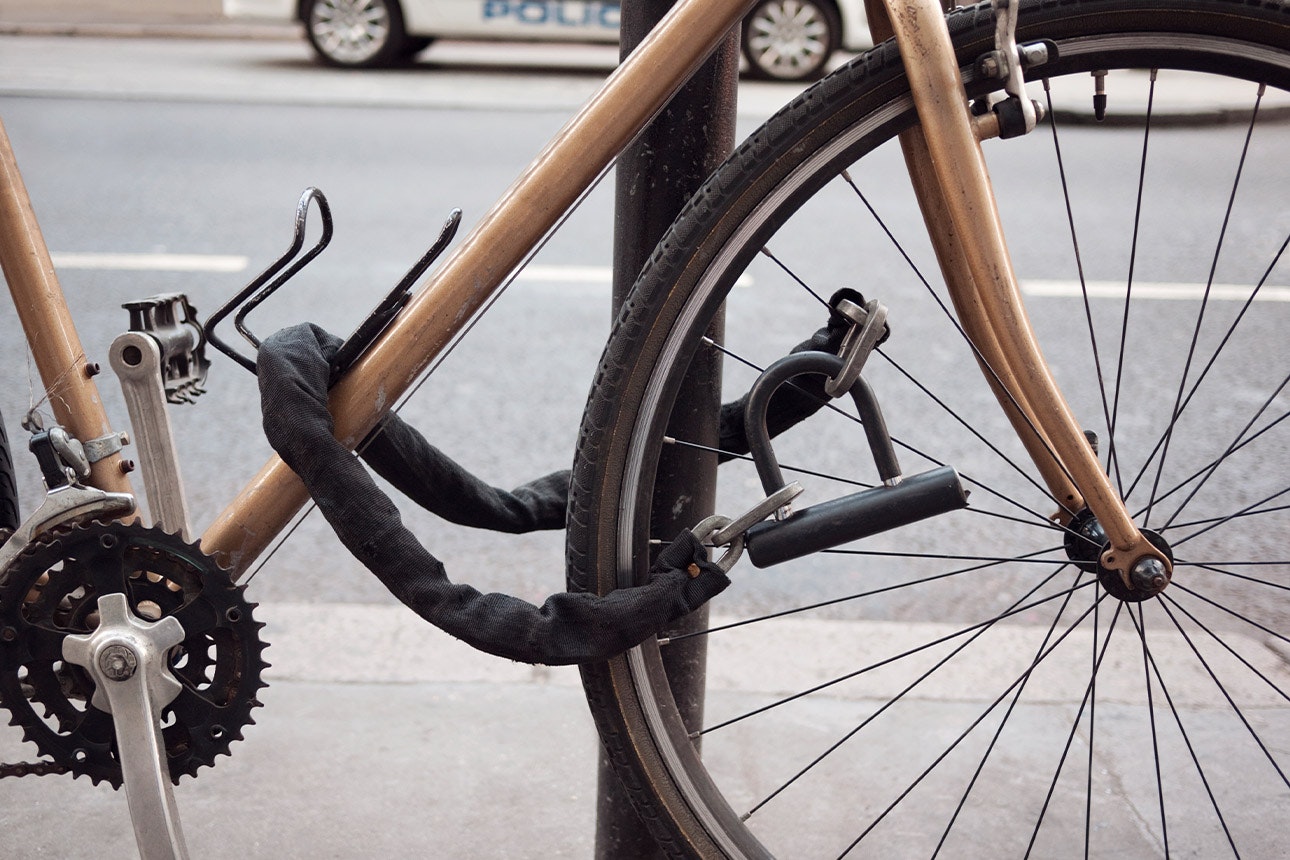
They’re getting harder to steal
And thank God for that, because it would break my heart if I ever lost Bike Skinner (named after Mike Skinner of the Streets, of course).
Modern security measures go way beyond the chunky metal locks of yore (although you still need one of those). The Aventon Level 3, for example, has a range of digital safeguards you can control via a phone app:
a motion sensor and alarm, which can tell you if someone’s messing with your bike while it’s parked
GPS tracking and geofencing, so you can be alerted if your bike goes outside a certain area on the map
several ways to render the bike less usable for a thief, including remotely locking its rear wheel, shutting down its electronic system and disabling motor assistance.
Bosch, whose drive systems power many of our tested e-bikes, has its own way of foiling thieves. You can digitally mark your Bosch battery as stolen across the company’s whole digital ecosystem. Then dealers or potential buyers will be notified that the battery was stolen when they try to connect it to Bosch’s app.
Electric bikes test and buying guide
We've tested a range of e-bikes, scoring them on motor system and bike style. Learn about how they work, the different styles available and how to buy the right model.
They’re changing gears for you
Do you know what really grinds my gears? Nothing, once I get my hands on a fancy new bike with automatic shifting.
At Consumer, we’ve already reviewed a couple of Sinch e-bike models with this feature. In Auto Shift mode, the bike works out when you need an easier or harder gear and changes it for you while you’re pedalling.
These also have a Free Shift mode, which lets you change gear (either manually or automatically) while you’re coasting, so you can roll to a stop and still be in the right gear when you start again.
In the future, gears might disappear from the rider’s experience altogether. Manufacturers like Avinox and Gobao have already developed systems that combine the motor and transmission into one central unit – basically the bike equivalent of an automatic car, with no gearstick whatsoever.
Light bikes are becoming heavy hitters
In the olden days, choosing a lightweight e-bike often meant sacrificing power and range. But manufacturers are finding ways to pack more capability into smaller packages.
The Specialized Turbo Vado SL 2 5.0, for example, weighs only 20kg, despite having a fully integrated 520Wh battery and a 320W system. A few years ago, a bike with this kind of grunt could’ve weighed in the mid-20s .
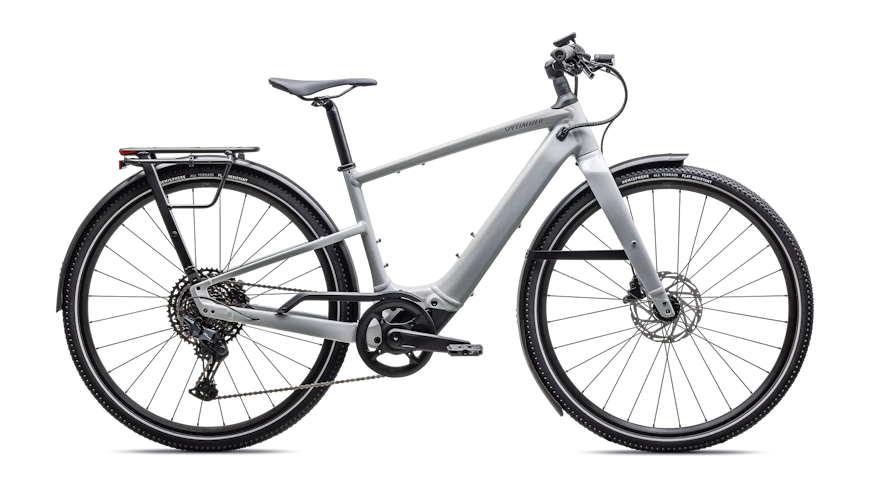
How low can they go? This year’s Eurobike Awards offer us a clue: one of the winners was a semi-solid-state e-bike battery, which uses a partly solid electrolyte rather than the fully liquid electrolyte used in conventional lithium-ion batteries. The technology can pack more energy into less weight, potentially allowing smaller, lighter batteries without sacrificing capacity.
And it’s starting to make its way into actual bikes. The forthcoming Lemmo 3 uses a 960Wh semi-solid-state battery that its maker says is around 20% smaller and lighter than an equivalent conventional battery.
They’re borrowing safety tech from cars
As someone who’s fallen off her bike twice in the past two weeks, I’m extremely interested in these particular innovations.
Several of the bikes we’ve tested already have car-like safety features, including brake lights and turn signals.
Elsewhere, Bosch has an anti-lock braking system with wheel-speed sensors that detect an impending lock-up and automatically adjust your braking force, making you less likely to skid or fly over the handlebars. And Garmin has a rear radar that can warn you of vehicles approaching from up to 140m away.
But it’s Canyon’s new Roadlite:ON V2X system that really has me – and both of my skinned knees – feeling optimistic.
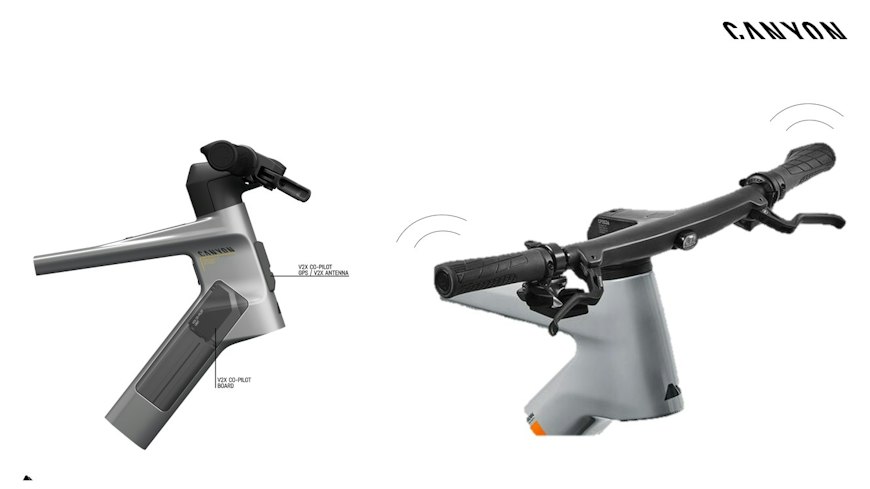
This invention will allow bikes and cars to communicate with each other, even without a line of sight. For example, if you’re biking along and a car is approaching from your left, obscured by a building, you’ll get a vibration through your left grip. The driver will also get a warning that you’re approaching.
The Roadlite:ON V2X is still in development, and will work only if both the car and bike in question are equipped, but still – it’s an exciting glimpse into a less scary future for cyclists.