By Kate Harvey
Writer | Kaituhi
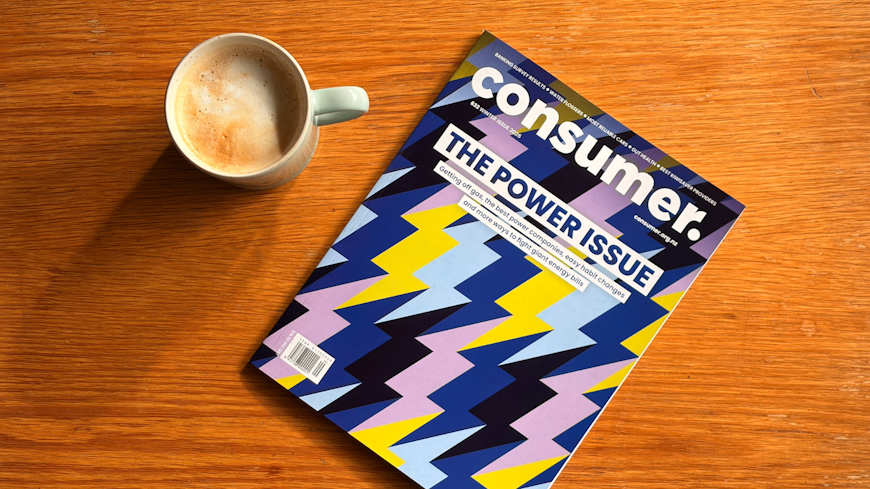
Here are just a few of the things that made us stop and say, “Wait … what?” as we put together our latest issue of Consumer. Want to know more? The winter issue is on sale now.
1. Apple AirPods can help you hear better
Our tech writer Nick had heard rumblings about this, so he decided to investigate whether it was true. He’s reported on how some AirPods can provide hearing assistance for those with mild to moderate hearing loss. His article explains how it works and the limitations.
2. Switching off your mains gas could save you over $1,600 a year
If your home uses natural (mains) gas, you’re going to want to read this article. In it, we say now is the time to start making a plan to get off it.
If that seems daunting, perhaps the savings you’re likely to make are enough to get the ball rolling. The fixed charge just for having a gas connection totals about $830 a year. If you’re using gas for heating, hot water and cooking, you could save over $1,600 from making the move to fully electric.
3. Plenty of EV owners are paying more than they need to charge their cars
The appeal of an electric vehicle is how much you’ll save on petrol, but a lot of EV owners are spending more than they need to on charging. Nearly a third told us they had stayed on their old power plan since they bought the EV! There are usually big savings to be made in switching, so they’re missing out on bringing their vehicle’s running costs down even further.
4. You don’t need to spend lots of money on psyllium, Metamucil and probiotics to have a good poo
One of the experts we spoke to for our gut health article says bran costs almost nothing and is every bit as good at getting things moving.
Professor Jim Mann explains in the article that you can start by adding a tablespoon to wholegrain cereal for breakfast. If that doesn’t work, take it up to two tablespoons.
5. It’s not a good idea to put your health in the hands of skin-checking apps
If life is busy, you might be tempted to download a skin-checking app to assess a suspicious mole or lesion.
But the dermatologists we spoke to caution against using apps. They say a self-check is the best first step, followed by an in-person examination by an expert, if there’s anything you’re worried about.
Our skin cancer detection article tells you how to do a self-check and explains what your options are if you need a follow-up.