By India Lopez
Editorial & Production Manager | Pou Whakahaere Pānui Ētita, Whakaputa Hautaonga
Consumer NZ chief executive Jon Duffy has contributed a chapter to the bestselling new book Facing Up to Our Future: Challenges and Choices for New Zealand. We asked him what he learnt from the experience and what gives him hope for the future.

Who should read this book?
Anyone interested in the critical issues facing New Zealand as we head into the general election. The book features an eclectic bunch of contributors, from all sides of the political spectrum, reflecting on where we are as a country and making suggestions for positive change for the future.
What’s one new thing you learnt in the course of writing your chapter?
That it’s very difficult to say everything that needs to be said on the topic of broken markets in 2,500 words. My research was also a timely reminder of how active other countries, particularly the United States, were in breaking up monopolies in their economy in the early part of the 20th century and through the ’70s. There is a tendency to associate the US with ultra-capitalism and free markets, but periodically their efforts to crack open dominant industries have been vital to fostering vibrant competition in different markets. We could learn a lot from this history.
What message do you hope readers come away with?
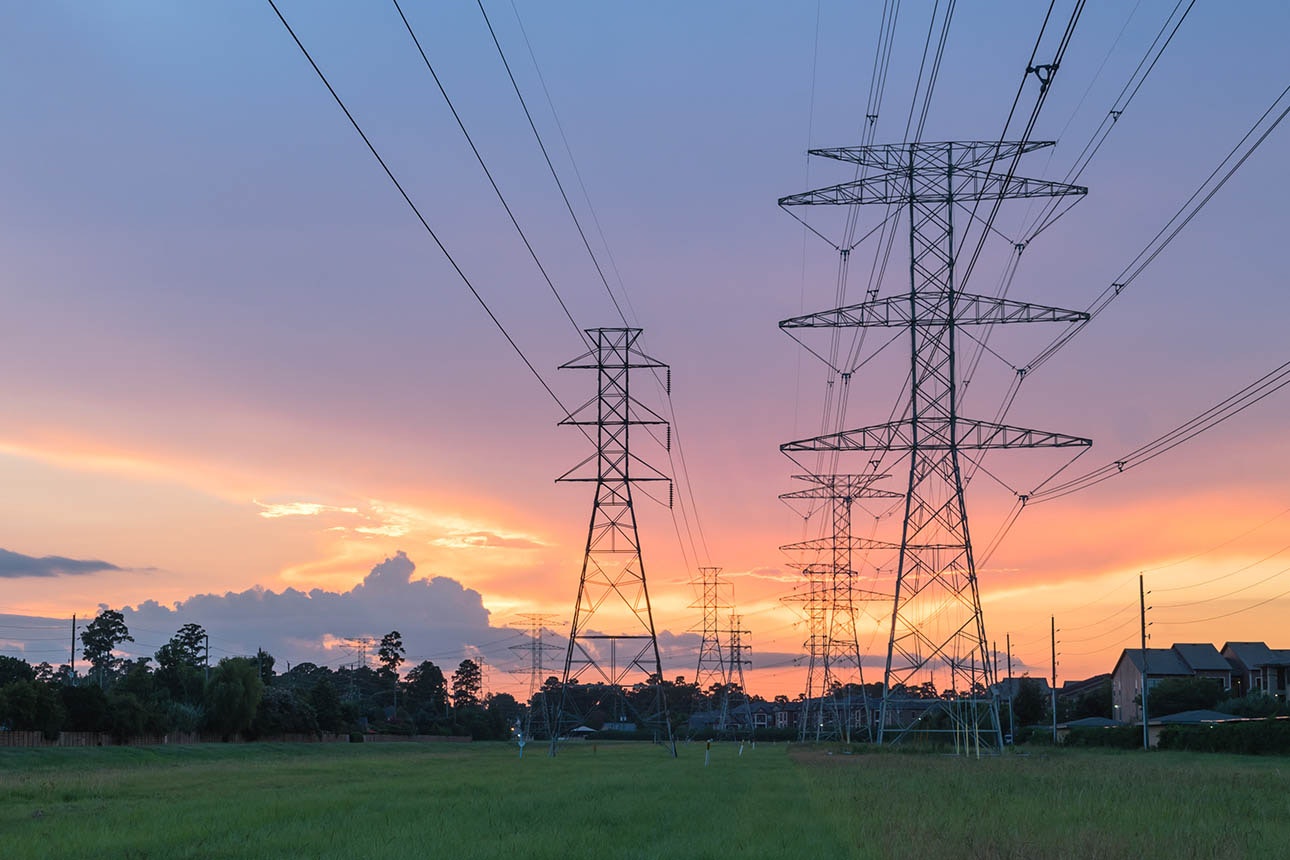
That we don’t have to accept the status quo as inevitable. Well-functioning markets can provide great benefits to society, but left to their own devices and without adequate guardrails, markets can consolidate and become extractive. The grocery and energy sectors in New Zealand are examples of this in different ways. But, with appropriate interventions and guardrails in place, markets can be profitable for businesses and work for consumers.
What’s the biggest public misconception you encounter about the two industries you focus on, supermarkets and energy?
There’s a growing consumer understanding that the status quo is broken. This signals a shift from the misconception that unconstrained markets will eventually return benefits to consumers, which is the story we’ve been sold since the ’80s. In some markets this may be true, but in these two markets in 2026 New Zealand, the proof is not in the pudding.
What gives you hope that change is possible?
There are solutions to the problems we see in broken markets. We need careful, evidence-based and market-specific approaches to implementing these solutions, but they exist! The challenge is not finding the solutions – it’s finding the political consensus and courage to push back against entrenched interests and make the changes needed to get markets working in the public interest.
Facing Up to Our Future: Challenges and Choices for New Zealand by Peter Davis (Dunmore Publishing) is available now. Consumer NZ members can get $10 off with our discount code.
Not a member yet? Join today and help us fight for a better future for all New Zealanders.