By Vanessa Pratley
Former Investigative Journalist | Kaipūrongo Whakatewhatewha
This article appeared in the spring 2026 issue of Consumer magazine.
Medical alarms are promoted as providing peace of mind for you or older, unwell or injured family members – delivering help at the press of a button when you most need it. But how do you know if an alarm is right for you, and, if it is, how do you choose a provider?
Is a medical alarm right for you?
An alarm may be useful if you:
live alone
have a history of falls
have a health condition that affects your balance or mobility
are at risk of a serious health event like a heart attack or stroke
have a serious allergy
are recovering from surgery or a procedure short-term.
You can get advice from your general practitioner about whether you need an alarm. Your GP can also help you apply for a disability allowance, which can fund a medical alarm. When you get an alarm, you’ll usually rent it from a provider. A medical alarm may not be the right choice for you if you’ll struggle to remember to wear it or charge it if required.
How medical alarms work
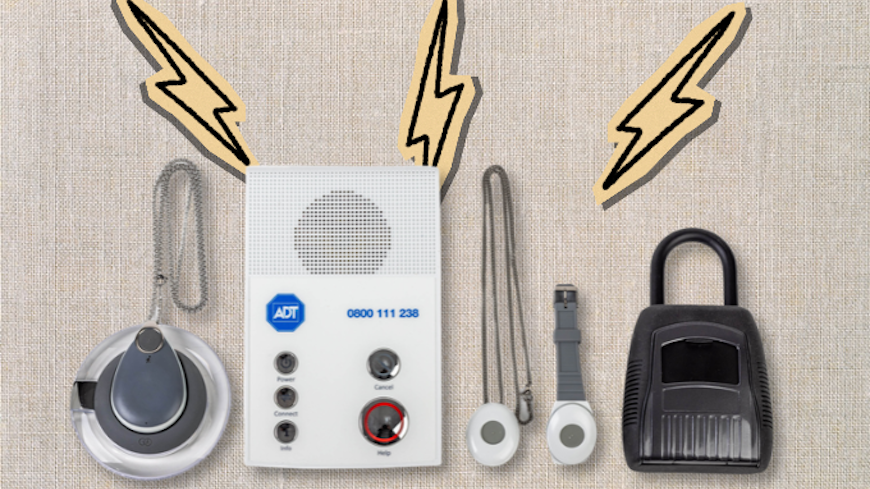
There are two types of medical alarms – in-home and “anywhere” alarms – and they operate the same way. To activate the alarm, you press a button on the pendant, which then prompts the base unit, which is connected to the phone line or cellular network, to alert the monitoring service.
For in-home alarms, the maximum range of the pendant from the base unit is usually large enough for most homes and gardens. For anywhere alarms, the alarm will operate wherever it can connect to the cellular network or, in some cases, GPS satellites.
After you activate the alarm, the provider will then try to contact you, and may also contact nominated family members or neighbours. If you don’t respond, it will usually send an ambulance to your location immediately. St John and Freedom operate their own ambulance call-out systems. Other providers dial 111 for you.