By Kate Harvey
Writer | Kaituhi
Sardine shelves are looking bare and supermarket chains have confirmed they’ve been struggling to keep up with demand for the tiny tinned fish.
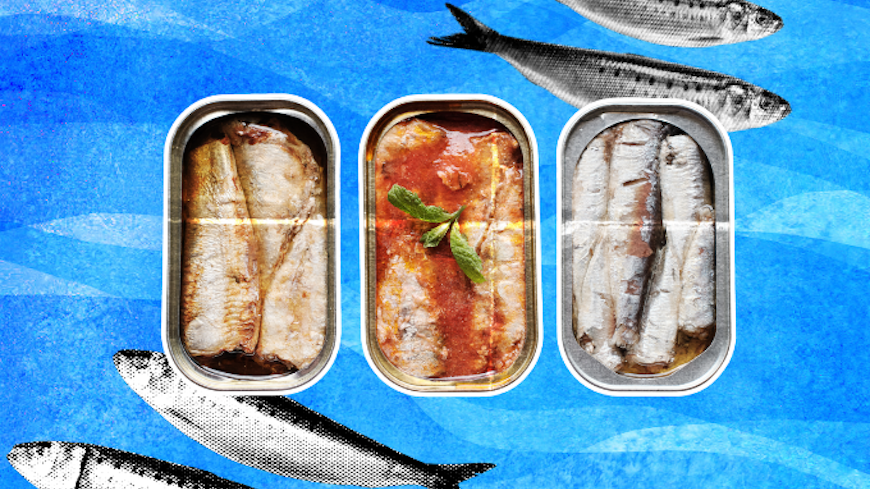
The “sardinemaxxing” trend may be helping drive the spike. On TikTok and Instagram, influencers have been talking up sardines as “botox on a fork”, claiming the oily fish can improve skin and hair.

The beauty of oily fish
The craze isn’t limited to supermarket shelves – you only need to look around Kmart at the moment to realise sardines are big in fashion and homewares too. We’ve spied sardine-themed towels, candles, pool floats, stationery and even bedding.
Often these trends have us rolling our eyes, but sardines do have a lot going for them. The Heart Foundation says oily fish such as sardines are a good source of omega-3 – but advises choosing fish in springwater rather than brine to keep salt down. It also recommends them as a source of calcium but notes you’d have to eat a lot to get the same benefits as consuming dairy. The Ministry of Health lists sardines as a good source of unsaturated fat, while Food Standards Australia New Zealand says sardines are a low-mercury fish.
But sardines’ sudden rise to popularity has arrived at an awkward time. Global supply is reportedly already lower than usual, with warmer water making the fish harder to catch.
Sardine squeeze at the source
Both Woolworths and Foodstuffs, the co-operative behind New World and Pak’nSave, report that sardines have been harder to source lately.
A Woolworths spokesperson said sardine sales had jumped 53% in the past 12 months.
“A global shortage of sardines has meant suppliers have been unable to keep up with that growth. From time to time customers may find sardines missing from the shelf,” the spokesperson said.
Foodstuffs said they’ve been experiencing “stock constraints”, increasing demand for the sardines still available.
“The constraints are primarily being driven by lower catch volumes. Industry advice is that warmer ocean temperatures have affected sardine movements, making them more difficult to catch.”
Foodstuffs said they expected the sardine shelves to be back to normal towards the end of the year or in early 2027.
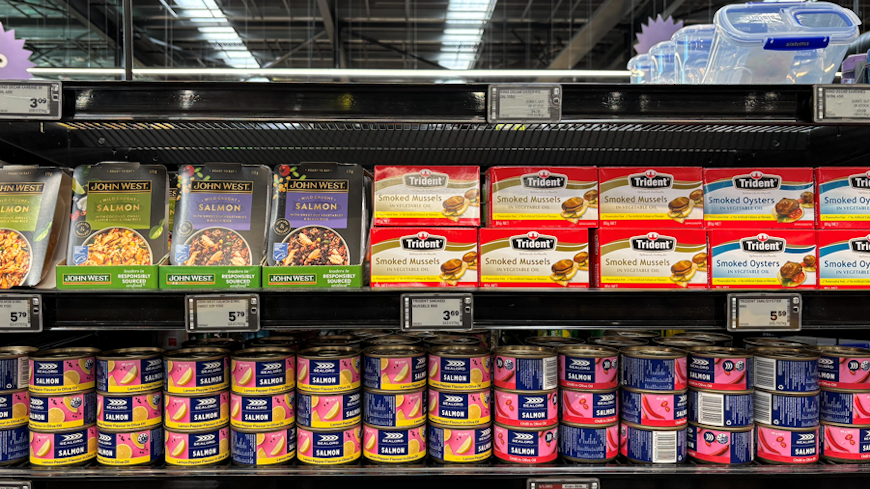
An empty top shelf where the sardines should be. Photos from colleagues shopping at different supermarkets across the motu show big gaps where sardines would usually be, although in most cases at least one brand was still available.
How to choose a good tin of sardines
Check how much of the tin is actually sardines. We’ve seen tins ranging from 65% sardines to 89%, with the rest made up of oil, sauce or other ingredients.
Compare the sodium content, too. Some sardines are much saltier than others, so check the nutrition panel if you’re watching your salt intake.
If your supermarket shelves are bare, try international food stores. They may import different brands and be less picked over.