By Kate Harvey
Content Manager | Pou Whakahaere Ihirangi
You’d think picking up some disposable AAs from the battery stand would be a simple task. But with all the marketing jargon, it’s hard to know which are going to last the longest – and which will have you right back at the same spot again very soon.
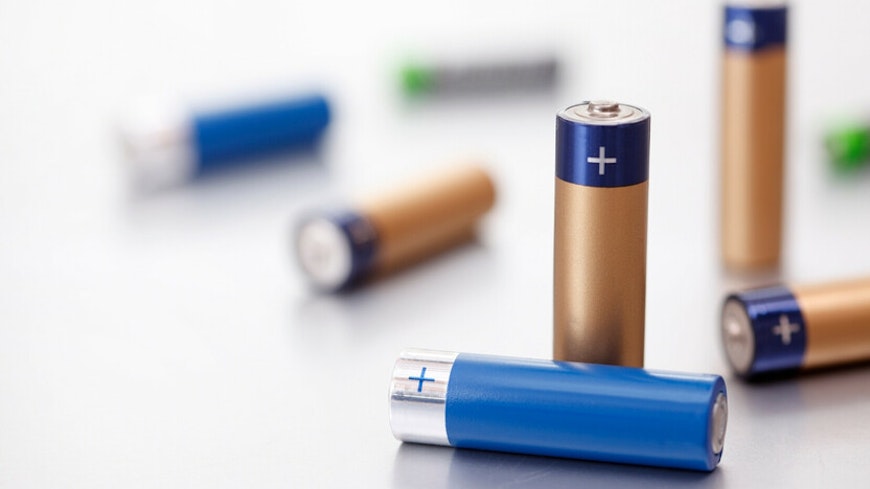
Here are 3 things to ignore when looking for the best disposable AA batteries.
1. Heavy duty, super heavy duty and extra heavy duty
All these phrases on batteries sound impressive. But they’re actually code for ‘carbon zinc’, which is the weakest type of battery. Carbon-zinc batteries compare terribly with the other 2 battery types – lithium and alkaline. Lithium batteries are the most expensive type, while alkaline are the middle ground and often cheaper than carbon zinc.
The three batteries we say to avoid are all carbon zinc and, yep, they use phrases like “super heavy duty”.
2. Longer lasting
A common sight on alkaline battery packages is phrases like “100% longer lasting” or “will last up to 400% longer”. The small print usually reveals that’s when they are compared with the carbon-zinc batteries used in something like a toy. While it’s not wrong, it’s also not saying much given carbon zinc performs terribly in high-drain devices like these.
3. No added mercury or cadmium
You need to watch out for greenwashing at the battery stand, too. The packaging of several AA batteries we’ve looked at states “no added mercury or cadmium” or similar. However, manufacturers had phased out using mercury in disposable AA batteries by the mid-1990s. And cadmium is never used in disposable AA batteries but is common in rechargeable AA batteries.
The 7 best AA batteries
We put batteries through high- and low-drain tests to assess how they perform in different gadgets. At the end of our testing, we assign them an overall score based on how well they power the device and how long they last.
Some of the cheapest AA batteries we’ve tested are also the best – some Consumer Recommended batteries only cost 70c per battery.
If you’re a Consumer NZ member, you can read our AA battery test results to find the 7 we recommend.