Tens of thousands of passengers typically fly across the Middle East every day, an area of the world currently experiencing rising levels of conflict.
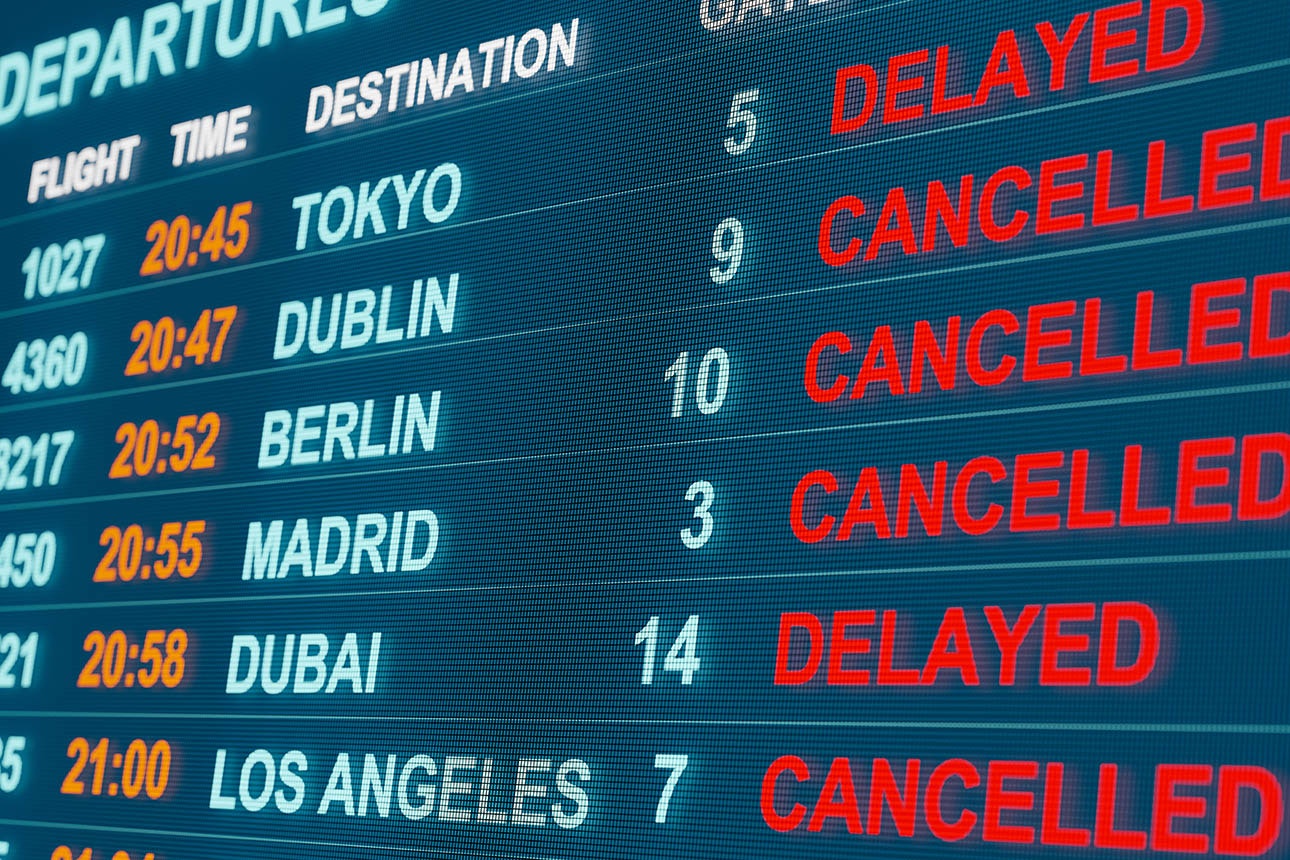
Airports and airspaces throughout the Middle East are closing and flights are being cancelled and delayed.
With the conflict predicted to last for weeks, travellers are being warned to prepare for unplanned disruptions to their trips.
If this has happened to you, here’s what you need to know.

Need our help?
If something’s gone wrong with a product or service, our Consumer Rights Advice Line experts can help you get a fair deal.
Get personal, practical advice you can trust – included when you join from $15 a month.
Keep an eye on travel itinerary changes
If you’re due to travel anywhere near the Middle East in the coming weeks, check in with your airline regularly for any flight changes.
Be prepared for changes on short notice. Have back-up accommodation planned or consider altering your travel plans ahead of time.
The New Zealand government’s safe travel advice currently includes the following:
New Zealanders in affected areas should follow the advice of local authorities, including any 'shelter in place' advisories.
It is advisable not to travel to Iraq, Lebanon, Syria, Yemen, Bahrain, Israel, Kuwait, Qatar, and the United Arab Emirates.
Volatility in the region means that safe travel advice could change at any time; travellers should register with SafeTravel.
More advice can be found on safetravel.govt.nz.
Can I get a refund if my flight is impacted?
It depends on whether your flight is delayed or cancelled.
If your flight is delayed, your rights to a refund will depend on your fare type. You can get a refund for a fully refundable fare, but you will usually only get a credit or rebooking for a non-refundable fare.
You generally cannot claim extra costs from the airline, because the Middle Eastern conflict is outside the airline’s control and not covered by the Montreal Convention.
If your flight is cancelled altogether, the airline has arguably failed to provide the service you paid for, so you can ask for a refund of the unused part of your ticket. However, you also can’t claim additional expenses such as hotel costs, replacement flights or lost income in this situation.
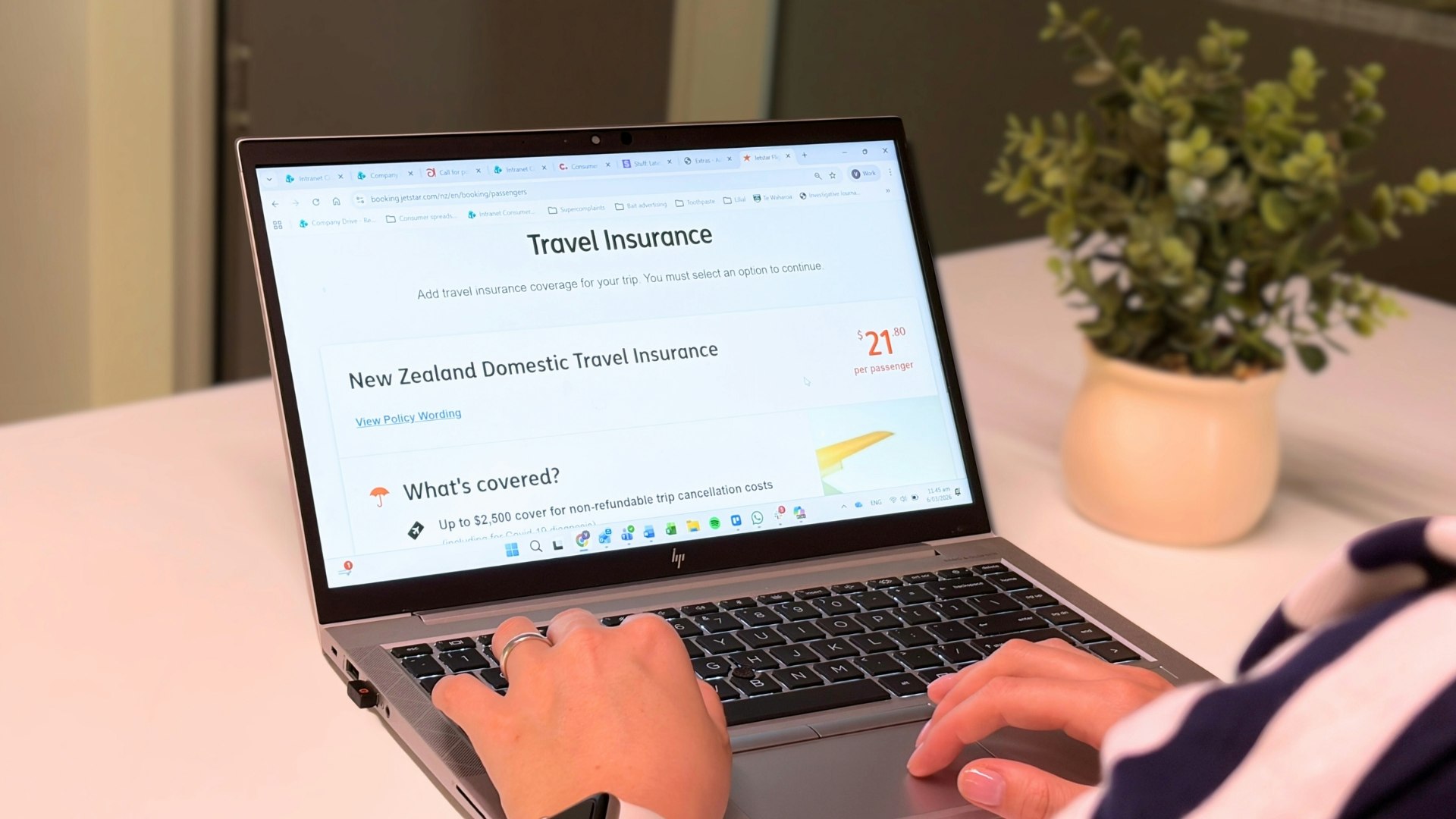
Check your travel insurance
Claims arising as a result of war, hostilities or military action are often excluded from travel insurance policies.
If you purchased travel insurance, you may still be able to claim for accidents or theft, so long as your claim doesn’t directly relate to the hostilities.
Allianz Travel insurance policies contain specific exclusions stating, “there is no cover under any section of the policy for claims that arise directly or indirectly from any act of war, whether declared or undeclared”.
Southern Cross Travel Insurance states it will not cover anyone impacted by the war, whether you’ve started your journey or are yet to embark on it.
Cover More travel insurance policies state that customers are not covered if “travel is prevented due to widespread physical destruction at the destination(s) you were going to due to an act of war, civil war, Act of Terrorism or nuclear meltdown”.
Check the terms and conditions of your insurance policy to see if you can make a claim.
What Air New Zealand says
Air New Zealand says there are “significant operational disruptions” with their partner airlines through the Middle East.
It recommends customers “reach out to the airline scheduled to operate your flight who will be able to discuss your rebooking options”.
Air New Zealand is also offering customers the option to make one date change to their travel plans over the next 7 days with no penalty, service fee or standard fare difference, or exchange their flights for credit that will be valid for the next 12 months.
But we think you can ask for a full refund if your flight has been cancelled.