By Belinda Castles
Researcher | Kairangahau
Sunscreen companies have been feeling the heat for all the wrong reasons this year. Failed SPF test results, testing laboratory issues and alleged greenwashing claims – there’s a lot to be concerned about.
The sunscreen industry has been on our radar for more than a decade. There are recurring issues that need to be addressed – and it’s the same across the Tasman. This year, Australian consumer group Choice investigated sunscreens.
Choice director of campaigns and communications, Rosie Thomas, told us its investigation has generated more attention than any other it’s done.
“Choice returned to sunscreen testing for the first time in many years. This was prompted in part by problems Consumer NZ uncovered in the past. We wanted to know if Australians were facing the same problems, and it turns out they are. Sixteen of the 20 sunscreens we tested didn’t meet their SPF label claims.”
Thomas said the most surprising thing Choice learned was how fiercely people will defend their chosen sunscreen brands.
“Influencers and consumers around the world weighed in on our results, questioning our tests. We’ve learned Australians care deeply about sunscreen and with good reason. The sun is a big part of our lives. Two out of three of us will be diagnosed with some form of skin cancer,” she says.
Like Australia, New Zealand has one of the highest skin cancer and melanoma rates in the world. Ultraviolet (UV) radiation from the sun or sunbeds causes 90% of all skin cancers. This means skin cancer is largely preventable.
Using sunscreen is one defence against harmful UV rays. In all, 52% of respondents told us they often or always wear sunscreen to protect themselves in our 2023 Sun Smart survey.
Despite this, New Zealanders aren’t well protected by our sunscreen regulations, and there’s little monitoring of sunscreens’ efficacy and environmental claims.
We’ve identified 5 key things we think could improve this country’s sunscreen industry.
1. Implement regular testing requirements
All sunscreens sold in Aotearoa need to comply with the Australian New Zealand sunscreen standard. The standard requires sunscreens to be independently tested but doesn’t specify how often that should happen.
We’ve been campaigning for sunscreen companies to conduct ongoing mandatory testing to ensure products continue to meet their label claims. Our sunscreens research found some companies are relying on test reports that are several years old.
Choice’s recent tests found 16 out of 20 sunscreens didn’t meet their SPF claims – 11 of these were sold in New Zealand.
We weren’t surprised so many products fell short. The results were consistent with our own sunscreen testing.
Most of the products in the Australian tests still provided moderate or high SPF protection. But, one product (Ultra Violette Lean Screen SPF50+ Mattifying Zinc Sunscreen) only returned an SPF of 4. Choice retested the sunscreen to confirm the result and got a similarly low SPF of 5.
In August, Ultra Violette removed this sunscreen from sale in Australia.
Then, Australia’s Therapeutic Goods Administration (TGA) advised that Lean Screen was manufactured using the same base formula as many other sunscreens. The manufacturer of the base formula has received preliminary SPF testing that indicates this formula is unlikely to have an SPF greater than 21. For some products, the SPF may be as low as 4. The TGA website lists 21 affected sunscreens.
We think companies should be required to retest their sunscreens regularly. This would reassure consumers that the SPF claims on the bottle are accurate and current.
2. Test the testers
The sunscreen standard requires sunscreens to be independently tested. But there’s no requirement for the testing laboratories to be monitored for consistency of results.
In July, Australia’s ABC News raised concerns about the SPF results from sunscreen testing laboratory Princeton Consumer Research (PCR). PCR conducts testing to substantiate companies’ claims about their sunscreen products.
In October, ABC News raised new concerns about the lab after two former employees told the news agency about allegedly questionable data and testing practices.
The TGA has also raised concerns about PCR. The lab was responsible for Ultra Violette’s initial testing. At least half the sunscreens that failed to meet their SPF label claims in the Choice test had also been tested by PCR.
The regulator has notified all companies responsible for affected sunscreens about this testing result and its concerns regarding the reliability of PCR’s testing. The TGA is considering whether to take regulatory action.
This isn’t the first time a sunscreen testing laboratory has been under the spotlight.
In 2021, the owner of United States-based AMA testing laboratories pleaded guilty to falsifying results. The fraud had gone on for 30 years, with sunscreens and other products sold and marketed based on false test reports.
Consumer was concerned about the validity of AMA test reports before the fraud came to light. Many manufacturers used the company’s test reports to justify their sun protection claims. That’s even after our independent testing found the products weren’t up to standard.
Both the recent PCR concerns and the AMA fraud highlight issues with testing laboratories.
We think regulators need to hold testing laboratories to account when concerns are raised.
3. Regulate sunscreens as a therapeutic product
Sunscreens are classified as a cosmetic, but Consumer has been campaigning for sunscreens to be regulated as a therapeutic product for many years. Sunscreen reduces exposure to excessive UV radiation, a major risk factor for skin cancer, so provides a therapeutic purpose.
This recommendation is also made in the Skin Cancer Prevention and Early Detection Strategy 2024–2028.
Consumers also agree with our call for regulation. Over half (57%) of respondents in our Sun Smart survey wanted sunscreens regulated as a therapeutic product (19% were unsure).
Although better sunscreen safeguards were introduced with the Sunscreen (Product Safety Standard) Act 2022, they weren’t sufficient. The act requires sunscreens to comply with the Australian New Zealand sunscreen standard. However, we don’t think the standard is comprehensive enough.
At present, the standard covers:
insect repellents labelled with an SPF of 4 or more
skincare products that claim to be SPF 15 or higher, including moisturisers, oils, creams and gels.
However, it doesn’t cover lip products or products whose main use is as a tinted moisturiser or foundation.
We believe these products should be covered too, and we think consumers would expect the same.
Regulating sunscreens as therapeutic products would be an opportunity to address these exclusions.
4. Take a hard line on sunscreen environmental claims
For many years, sunscreen ingredients have been an emerging environmental concern, especially where they can get washed into the ocean when we swim. Studies have shown the UV filters in sunscreen can be bad for marine life, such as green algae, mussels, sea urchins, fish and coral reefs.
Some countries, including Hawaii, the United States Virgin Islands and Palau have already banned certain ingredients in sunscreens. And, in our 2023 Sun Smart survey, 28% of respondents said they were very or extremely concerned about the environmental effects of sunscreen ingredients.
Many sunscreen brands use green claims like ‘reef-safe’, ‘reef-friendly’ and ‘ocean-friendly’ to persuade you their sunscreens protect the planet as well as your skin.
Consumer investigated the environmental claims on sunscreens in 2024. The experts we spoke to said more research is needed into the effect of sunscreen ingredients on the environment. We agree. In particular, we’re concerned:
there’s no regulation of the terms used in green sunscreen claims
there’s little consistency between the products making the claims – sunscreens vary in the UV filters they contain
the science about the environmental threat is still evolving.
In July, the Australian Competition and Consumer Commission (ACCC) took a hard line over ‘reef-friendly’ greenwashing claims. It planned to take United States multinational company Edgewell Personal Care to court for alleged unjustifiable environmental claims. Edgewell owns sunscreen brands Banana Boat and Hawaiian Tropic.
We think it’s time the Commerce Commission followed suit and held companies making sunscreen greenwashing claims in New Zealand to account.
5. Monitor non-compliant sunscreens
As well as requiring sunscreens to be tested to the Australian New Zealand standard, the standard also contains rules for labelling.
Labels must include:
the SPF
a statement that it’s broad-spectrum (protects against both UVA and UVB rays)
instructions on how to apply (and when to reapply) the sunscreen to get the best protection.
However, it’s not hard to find sunscreens that fall well short of these rules.
We purchased sunscreens from online retailers. Some didn’t meet the standard’s labelling requirements. We also asked the retailers to provide information about whether these sunscreens were tested to the Australian New Zealand standard.
We think New Zealand needs a sunscreen compliance programme. We’re concerned the non-compliant sunscreens we found are just the tip of the iceberg.
Non-compliant sunscreens we found
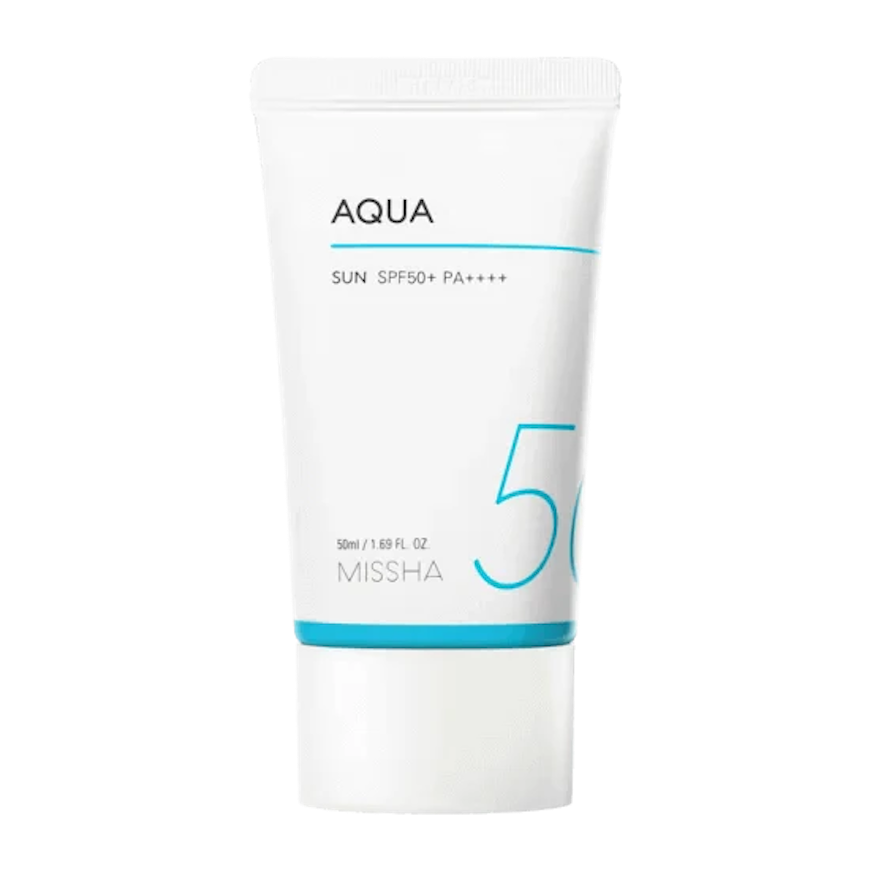
Missha Aqua Sun All Around Safe Block SPF50+ PA++++
Purchased from: Deiji.co.nz
This product calls itself a ‘Safe Block’. The standard prohibits the term ‘sunblock’ because it can be misleading. We think ‘Safe Block’ falls in the same category.
This sunscreen also doesn’t have a ‘broad-spectrum’ statement. Instead, it has a PA++++ rating. This broad-spectrum rating is mandatory in Japan and Korea, but it isn’t interchangeable with the broad-spectrum requirements of the Australian New Zealand standard.
A spokesperson for Deiji told us ‘Safe Block’ is a global product name used by the brand across all markets. It is not a performance claim. It is also seeking clarification from the supplier about what standard the sunscreen is tested to and the broad-spectrum requirements it must meet. The company advised us this sunscreen is sold by other New Zealand retailers.
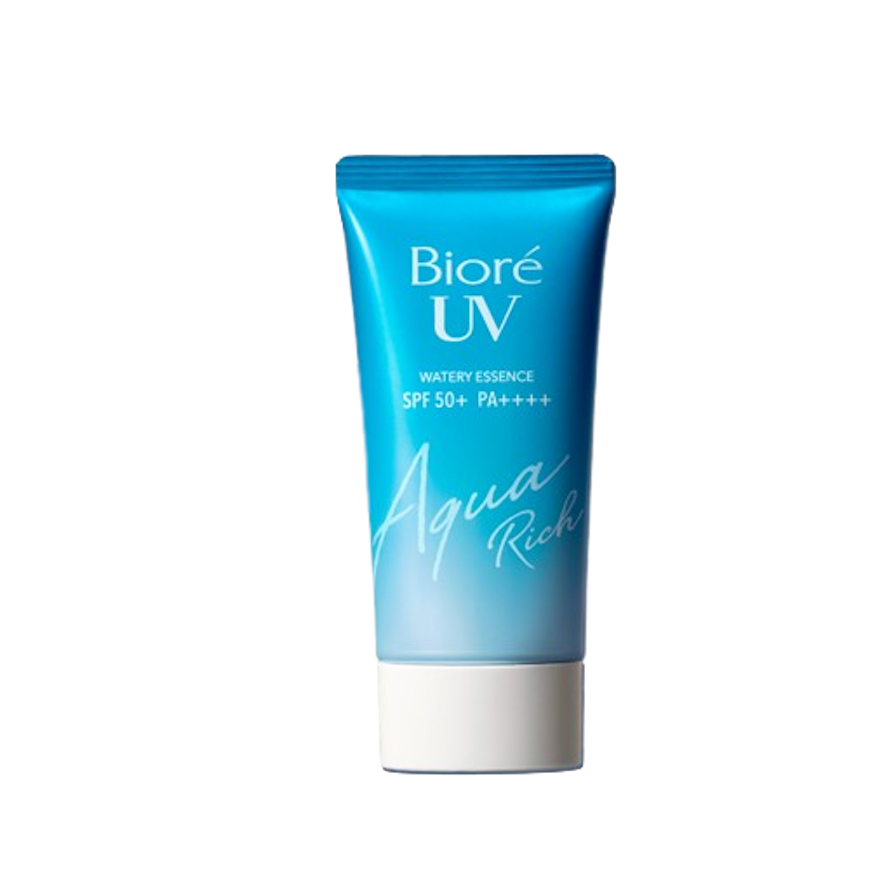
Bioré UV Aqua Rich Watery Essence SPF50+ PA++++
Purchased from: Sakura.co.nz
Almost all the labelling on the back of this sunscreen is in Japanese. There’s no English ingredients list or application directions.
A spokesperson for Sakura told us it purchased this sunscreen from a New Zealand retail store to broaden its online range. After we contacted Sakura, it removed this sunscreen from its website.
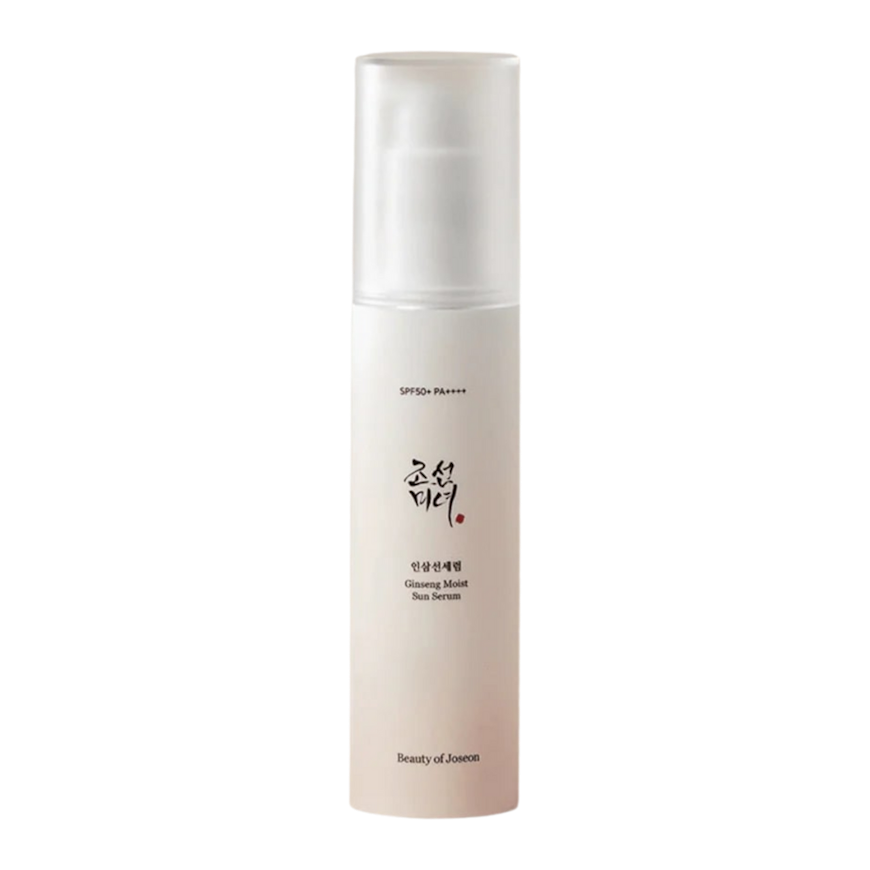
Beauty of Joseon Ginseng Moist Sun Serum SPF50+
Purchased from: Farmers
Marketed as “Tik Tok trending”, the Farmers’ salesperson told me this range was very popular. We couldn’t see any SPF claims on the original packaging. However, a sticker claimed the sunscreen was “SPF50+” and offered “Broad-spectrum” protection.
A spokesperson for Farmers told us all sunscreens the store sells are tested to meet the Australian New Zealand sunscreen standard. They also said Farmers has documentation confirming compliance.
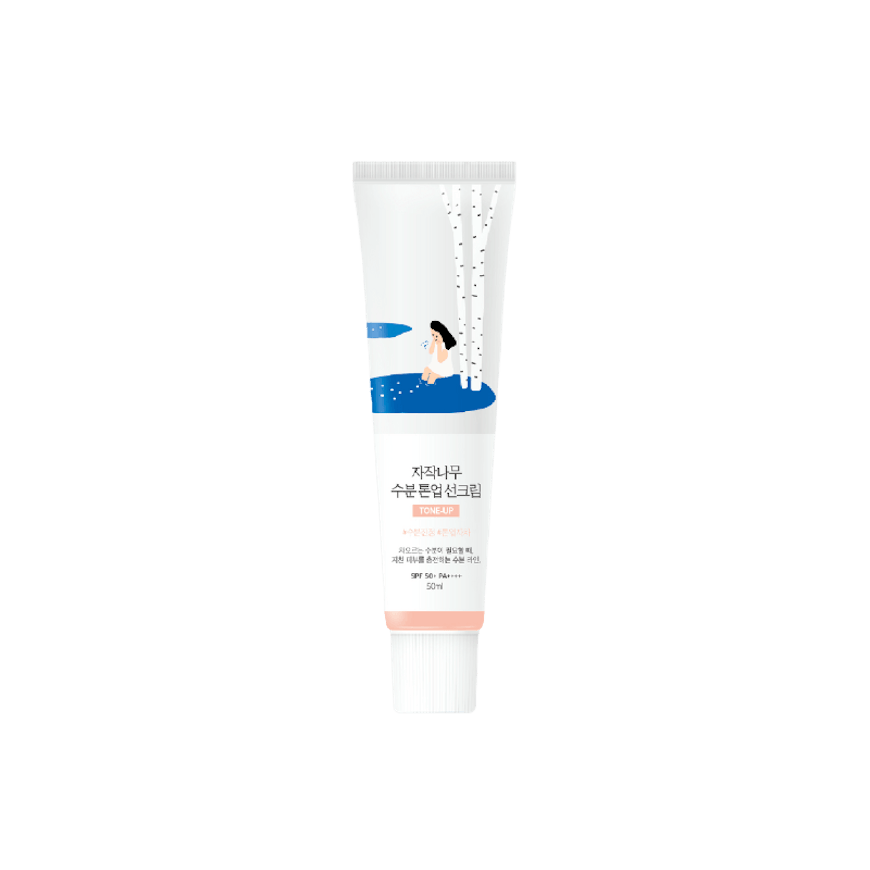
Round Lab Birch Juice Moisturizing Tone-Up Sunscreen SPF50+ PA++++
Purchased from: Moona.store
This Korean sunscreen includes some English labelling. It has a sticker claiming broad-spectrum protection and application instructions that are consistent with our standard.
However, a spokesperson for Moona store told us the Round Lab sunscreen we purchased had not been tested to the Australian New Zealand standard. It provided test reports showing the sunscreen had been tested in Korea and, based on these results, is being sold on global markets.
Keeping on the pressure
New Zealanders need better sunscreen regulations and monitoring to keep them safe.
We will continue to advocate for this and to put pressure on the Commerce Commission to keep New Zealanders safe. We want it to investigate companies we think might be misleading consumers about the protection they provide –for both our skin and the planet.
We’ve also asked companies that told us they’ve used PCR testing laboratory whether they intend to retest to verify SPF label claims.
For information about more than 160 sunscreens, including where and when a product was tested, visit Consumer NZ’s sunscreen database.
Sun safety tips
A sunscreen is only one part of your defence against UV radiation.
Limit your time in the sun and wear protective clothing when the sun’s rays are most intense (between 10am and 4pm September to April or when the UV Index is 3 or higher).
Look for sunscreens with an SPF of 30 or above, plus broad-spectrum protection and water resistance. The New Zealand Dermatological Society recommends SPF50+ for greater protection.
Apply plenty: Adults need about 7 to 9 teaspoons of sunscreen for a full-body application. That’s about 2 teaspoons for each leg and 1 teaspoon for each arm, your back, front and face (which includes your neck and ears).
Apply early: Sunscreen needs to be absorbed into the skin before you’re protected, so apply at least 20 minutes before going outside.
Reapply often: Reapply sunscreen every 2 hours you’re outside. Also reapply after swimming, mopping up sweat or towelling dry.
Was this page helpful?
7 sunscreen myths debunked
Sunscreen buying guide

How to save water in the laundry