By Kate Harvey
Writer | Kaituhi
If you’re still wrestling hot soup into a benchtop blender – or playing Tetris trying to fit a giant machine in your cupboard – it’s time to consider a stick blender.
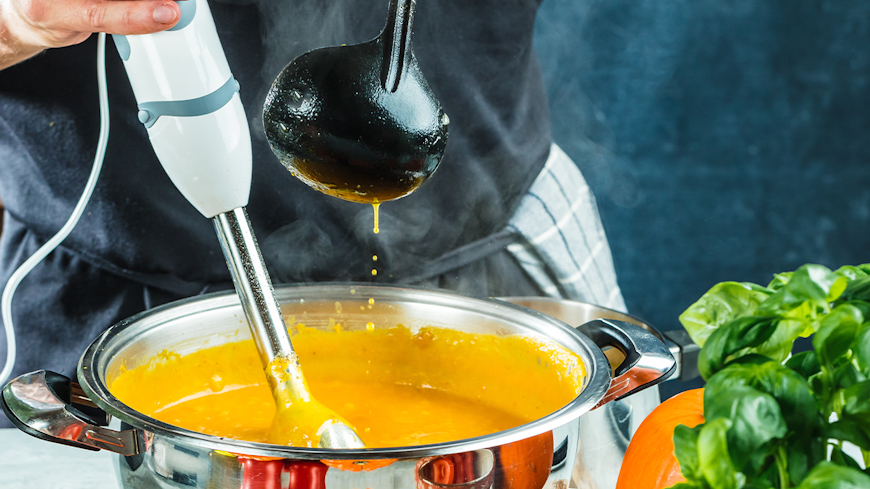
Also known as handheld blenders and immersion blenders, these handy gadgets let you puree baby food, whip up a smoothie or emulsify mayo with little fuss and less dishes.
The benefits of stick blenders
They’re easy to store. Benchtop blenders can hog a lot of space in a cupboard, but you can fit a stick blender into most drawers.
They’re easy to clean up. With a traditional blender, you have to clean the jug, but with a stick blender, you just give the part with the blade a quick rinse under hot water. Some can go in the dishwasher.
They’re great for small amounts. For example, whipping up a tiny puree for your baby’s lunch or making half an avo into a quick guacamole.
They often come with extra attachments. Many have a whisking attachment so you can whip cream, a chopper attachment so you can easily chop veggies for the soup you’ll later puree, and a mashing attachment.
They’re usually budget-friendly. Top-tier counter models can easily cost hundreds of dollars, but you can also get high-quality stick blenders at a fraction of the price.
They’re portable. If you want to make a smoothie at work, or pumpkin soup on your winter holiday, you can easily pop a stick blender in your bag.
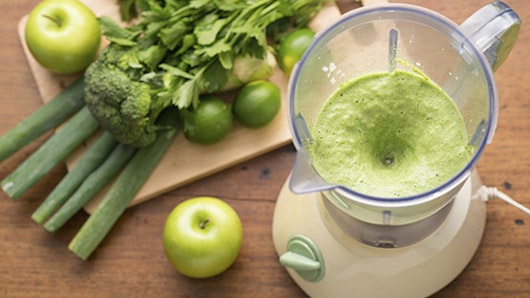
Looking for a benchtop blender instead?
We've independently tested over 20 benchtop blenders from 14 brands to help you choose.
The best stick blender brands
We used to test stick blenders, but we found they all scored very similarly on performance. What really matters when choosing a stick blender is how reliable it’s going to be.
In our latest survey, more than 700 people rated the reliability of their stick blenders and their satisfaction with the product. The results are below, including the one brand that earned our People’s Choice endorsement for stick blenders.
Stick blender safety tips
Take it from this writer: you want to unplug a stick blender before you go anywhere near the blade. If there’s something stuck in the blade, don’t do anything until it’s unplugged at the wall, because you don’t want to accidentally hit the “on” button at the same time as you’re clearing it!
Modern stick blenders have metal guards that cover the blades. Even so, make sure you’re not scraping the blender around pots and pans, which could damage them.