By Nick Gelling
Product Test Journalist | Kaipūrongo Whakamātautau Hautaonga
A major safety push, doodads to reduce your environmental impact, and some big promises on the horizon. Here’s what’s new in the land of laundry.
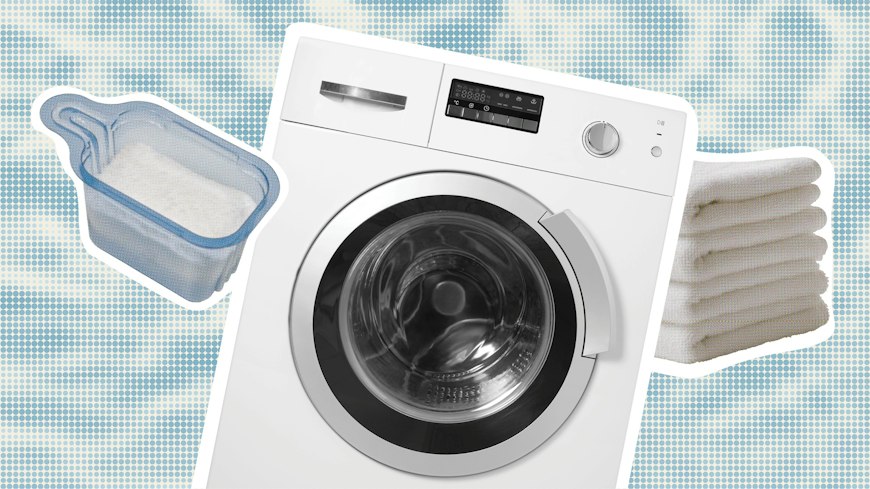
We’ve been writing about the best washing machines and how to choose a washing machine for decades, to help you fit out your laundry with the best whiteware. Over that time, we’ve seen countless fads come and go. If you’re thinking about a new washer, these five recent trends are worth knowing about.
1. Bonus mini drums for delicates or tiny loads
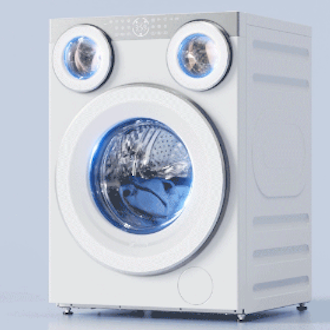
Washing machines are cubes, but their drums are cylinders. Recently, manufacturers have bravely answered the question: what do you do with the leftover space in the corners of the cube?
Their answer? Chuck in a couple more tiny drums!
Haier, Midea, Hisense and Xiaomi have all announced new washers with three drums: a regular full-sized drum and two miniature drums for keeping delicates, gym clothes or cloth nappies separate. You can run any combination of drums at the same time.
None of these products are available in New Zealand yet, and they probably won’t be cheap when they do arrive. But the idea seems good, so we’re excited to see where it leads.
Need a new washing machine?
Consumer NZ’s free buying guide will help you choose the best type and features for your lifestyle (and budget).
2. Auto-dosing detergent
Are you sick of having to measure and pour new laundry powder or liquid for every single load? Don’t switch to laundry sheets for convenience. There’s a better way.
Next time you replace your washing machine, look for one that automatically doses your detergent. You just fill a reservoir once, and your machine will dispense the right amount of suds over several washes. Easy!
Most of us use too much detergent, so automatic dosing will likely save you money and prevent residue build-up as well.
We recently rounded up the best auto-dosing washing machines, along with the best detergents to use in them.
3. Quicker washer-dryer combos
At Consumer, we go back and forth on whether combination washer dryers are worth buying. There are clear advantages to washer dryers – you need less laundry space, and you don’t need to move loads from one drum to another – but there are downsides too.
One common complaint is how long they take, particularly on the drying cycle, but some manufacturers appear to be on the brink of solving the issue.
In June, Samsung’s new heat pump washer-dryer combo arrived in New Zealand. Samsung claims the WD90H19AHSSA can wash and dry a load on its Super Speed cycle in a barely believable 69 minutes. That’s faster than many stand-alone clothes dryers manage just the drying side of the equation.
But with a price tag of around $6,000, it’s not a realistic option for many.
LG claims its new heat pump washer dryer, the Signature WashCombo, can work through a Quick Wash+Dry cycle in 89 minutes. It arrived in the US this year, but there’s no word on whether it’ll make it here.
We’re eager to get this new generation of speedy combo machines into our lab, to see if they deliver on their promises.
4. Two-step start process for child safety
Washing machine safety regulations have been tightened recently. Front-loading washers imported to New Zealand since June require two separate, deliberate actions to start (or re-start) a cycle.
The new requirement is intended to improve safety for young children.
Manufacturers have rushed to replace their washing machine lineups with models that meet the new standards.
For example, the top-performing washing machine in our test is a new model identical to our previous top-rated machine, but with the two-step start feature.
5. Microplastic filters
The same mechanical and chemical processes that remove dirt from your synthetic clothes also detach tiny plastic fibres. On average, a 5kg load of synthetic laundry will send about a gram of plastic down the drain. Collectively, textiles are the largest source of ocean microplastics.
We know microplastics are bad for the environment, particularly ocean life. We also know they’re bad for human health, but we don’t yet know quite how bad.
When we wrote about how to reduce your microplastic waste in 2023, we noted that attachments for filtering microfibres out of your washing machine were hard to come by here.
While at least one aftermarket filter is now available in a major New Zealand store, the bigger story is what’s happening overseas.
The Australian government is aiming to make microfibre filters mandatory on all new residential washers by mid-2030. In France, they’re already technically mandatory– the government just isn’t enforcing the law yet.
Watch this space!
Find the best washing machine
We've independently tested more than 30 washing machine models from 13 brands to help you avoid expensive mistakes.
Want more independent advice to help you shop smarter? Subscribe to the Consumer NZ newsletter and get our best stories in your inbox every week.