Shopping for a washing machine means making loads of decisions (pun intended). We’re here to walk you through the buying process, from start to finish.
We’ve tested the dirt removal, rinsing, gentleness, spin performance, energy and water efficiency of top loader and front loader washing machines. We buy all the models we test, and we don’t accept advertising, so you can trust our independent advice.
Looking for a matching dryer or a washer dryer combo? We’ve tested those too.
On this page
- Should you buy a top loader or a front loader?
- What size do you need?
- Which features do you need?
- How much does a good washing machine cost?
- Which washing machines are cheapest to run?
- Which washing machine brand is the best?
- Should you buy a secondhand washing machine?
- What about combination washer dryers?
- Fitting a washing machine in your home
Should you buy a top loader or a front loader?
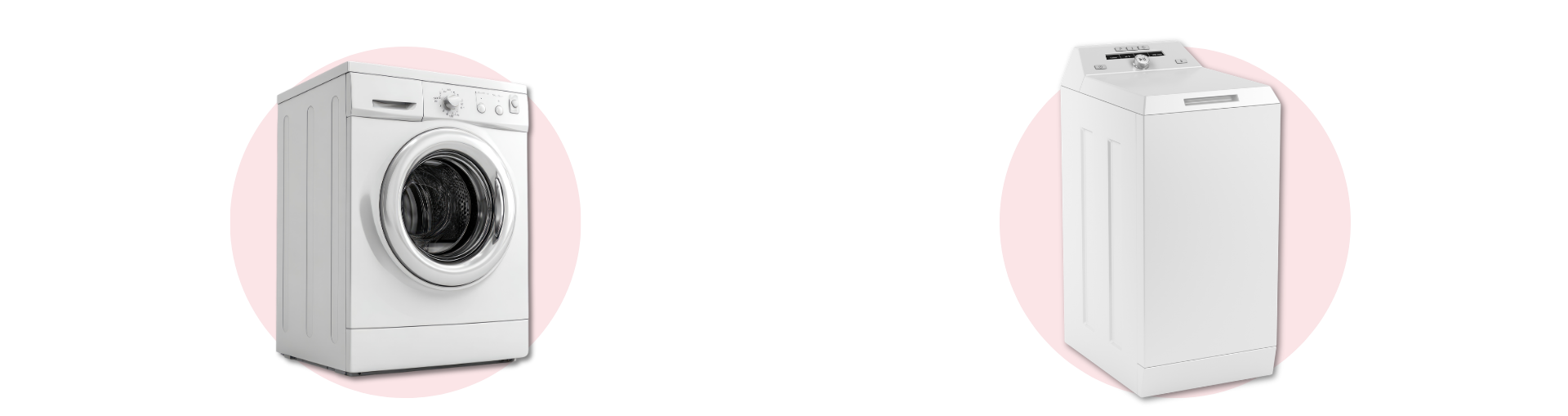
Here in New Zealand, most of us grew up with top loaders – but front loaders are actually a better option for many households. Our washing machine reviews show that front loaders usually do a better job of cleaning, are gentler on clothes and use less water. If you’re on metered water, that can make front loaders a lot cheaper to use. (See Which washing machines are cheapest to run?)
The main downsides of front loaders are that they tend to cost a bit more upfront and have longer cycle times. Some of the other “cons” you may have heard are outdated – for example, front loaders aren’t necessarily smaller.
Are top loaders more reliable than front loaders?
On average, no – in our latest survey, 88% of front loaders and 86% of top loaders remained fault-free after five years. However, certain brands caused their owners a lot more headaches than others (see Which washing machine brand is most reliable?).
Are top loaders with impellers or agitators better?
Top loaders swirl the load using one of two mechanisms: an agitator (central spindle) or an impeller (a small bump at the bottom of the bowl). Most models in our test have impellers, and many people prefer them – they tend to be easier to load and unload.
Get our expert picks
We've independently tested more than 30 washing machine models from 13 brands to help you avoid expensive mistakes.
What size do you need?
We class washing machines as medium, large and extra-large capacity, based on the dry weight of laundry they can handle.
Medium
6–7kg
Typical price $800
Usually top loaders
Not our top performers
Large
7.5kg–9.5kg
Typical price $1,200
Right for most households
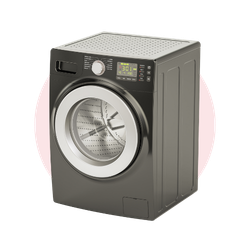
Extra large
10kg+
Typical price $1,700
Good for big households
For most households, a large model (7.5–9.5kg) is the best choice. Even if your everyday loads aren’t particularly big, you’ll need extra room when you’re washing towels or bedding.
The smallest models in our test are what we call “medium” capacity: 6–7kg. They might cost less upfront – usually under $1,000 – but they tend to be top loaders and rarely earn our Consumer Recommended tick.
When should you consider an extra-large (10kg+) model? If you regularly wash very large loads – for example, if you have a big family or lots of work gear, sports kit or bulky bedding – these are worth it. Otherwise, there’s not much point in spending more to get a bigger machine.
If you’re a Consumer NZ member, you can filter our washing machine reviews by size when you’re comparing models.
Which features do you need?
Some washing machines still don’t have the following features, so it’s worth considering whether they’re important to you:

A hand-washable woollens cycle
Most front loaders and some top loaders have a machine-washable woollens cycle, which is less gentle.

Out-of-balance correction
Useful if you often wash bulky items.

Wi-Fi connectivity
We’re sceptical about the usefulness of this – you’re already standing next to the washing machine to load it, so you might as well control it using the machine’s buttons rather than your phone!

Auto-dosing
We love this feature – the machine senses how much detergent is needed and automatically dispenses it, saving you time and money.
On the other hand, most washing machines now have the following features, so they probably won’t play into your decision:
multiple cycle options, including a fast wash and a delicates cycle
delayed start (so you can load it at night and set it to start washing early in the morning, for example)
selectable spin speed (in case you want to override the cycle’s normal speed – for example, give laundry a faster spin so it’ll dry quicker on the line)
the ability to add items after the cycle has started (including on front loaders, although in this case you won’t be able to add things once the machine is full of water)
automatic water-level sensing (adjusts the amount of water to suit the load, helping you avoid unnecessary water use)
a child lock or control lock. Two-stage start processes (in line with new child safety requirements) are increasingly common.
How much does a good washing machine cost?
Prices vary wildly among the hundreds of washing machines we compare – from about $600 to over $6,000 – and our testing shows that a hefty price tag doesn’t guarantee a good performance.
In general, if you plan to spend between $1,500 and $2,500, you’ll have plenty of good washing machines to choose from – including most of the models that earn our Consumer Recommended tick.
Which washing machines are cheapest to run?
Electricity costs
In terms of electricity usage, front loaders tend to be a bit more expensive. The models we’ve reviewed cost an average of $29 per year to run, compared to $12 per year for top loaders.
Be careful, though – certain models sit well above those averages. That’s why we give each washing machine an energy efficiency score, which Consumer NZ members can view as part of our reviews. The least energy-efficient front loader we’ve tested costs almost $70 per year to run!
Water costs
If you’re on metered water (which is increasingly common in New Zealand), a top loader will cost you far more in the long run. In Auckland, for example, choosing a top loader over a front loader could cost you over $100 extra a year in water charges. That’s $1,000 or more across the 10-year lifespan we predict for washing machines.
Which washing machine brand is the best?
Consumer NZ members can access the results of our annual product survey, where we ask thousands of New Zealanders to tell us about their experiences with different brands. We use those results to calculate reliability and satisfaction ratings for particular brands in each product category.

In 2026, only one brand earned our People’s Choice endorsement for washing machines. (Interestingly, that same brand scored much lower in the clothes dryer category!)
Should you buy a secondhand washing machine?
There are great bargains to be had on secondhand washing machines, if you’re willing to shop around and ask the right questions.
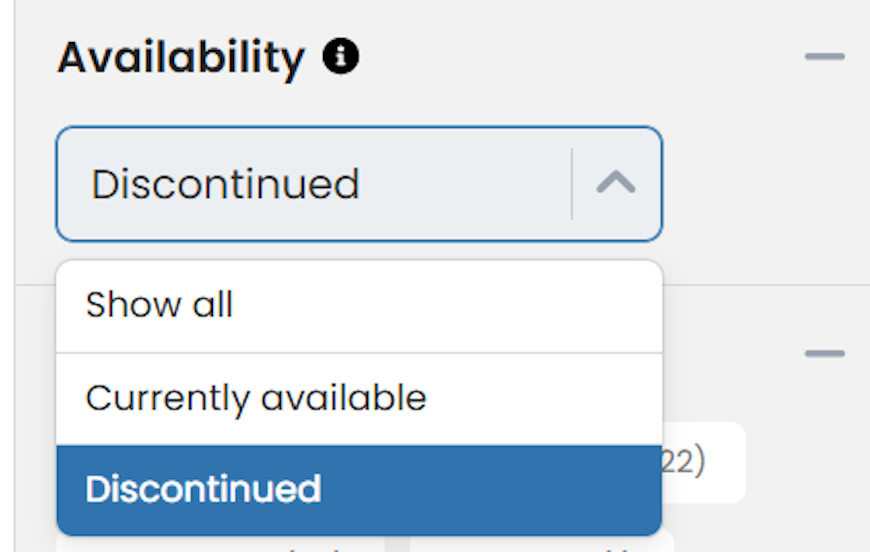
If you’re a Consumer NZ member, you can filter our reviews to show discontinued models. That way, you can check the performance, efficiency and reliability of older washing machines that are on the secondhand market, as well as currently available models.
What about combination washer dryers?
Washer dryers have often struggled to earn our Consumer Recommended tick – but they’re worth considering if you have limited space or want the convenience of a single set-and-forget laundry process.
Read more about buying a washer dryer or, if you’re a Consumer NZ member, compare our washer dryer reviews.
Fitting a washing machine in your home
Before you take the plunge on a particular model, think about your available space.
How much space do you need?
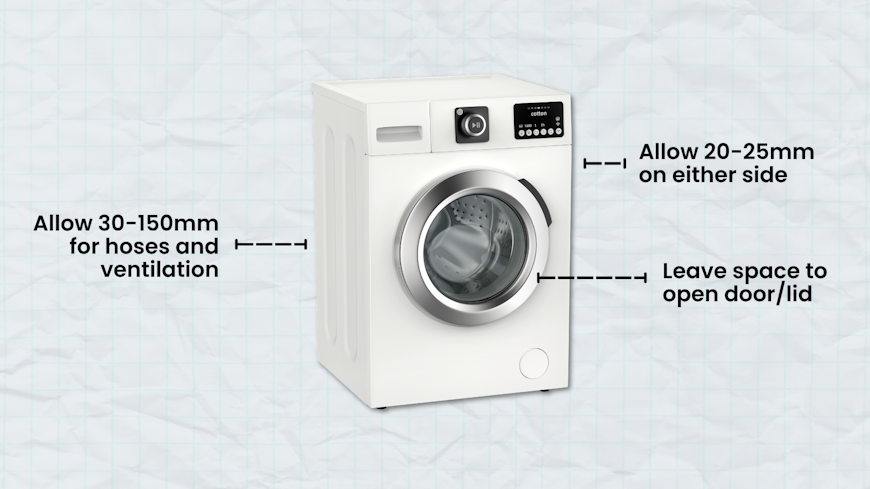
Measure the height, width and depth of the space before you buy. Installation requirements vary by model, but most manufacturers recommend allowing 20–25mm on either side of the washing machine and 30–150mm at the back, for hoses and ventilation. And, of course, you’ll need space on the top or at the front, to fully open the door or lid.
Can you stack your washer and dryer?
You can stack a dryer on top of a front loader washing machine. Other important things to know:
The washer (which is heavier and can move around a bit) always goes on the bottom.
You must use a stacking kit (hardware that secures the dryer on top of the washer) – don’t just plonk the dryer straight on top!
Not all washers and dryers are compatible for stacking, even if they’re the same size. Check the manufacturer’s website for a list of compatible washers and dryers and info on the right stacking kit.
We have advice on choosing the best dryer for your home, too.
Washing machine care
Looking after your washing machine will maximise its life and performance. Read our tips on machine care and maintenance.