By Nick Gelling
Product Test Journalist | Kaipūrongo Whakamātautau Hautaonga
This article appeared in the spring 2026 issue of Consumer magazine.
Outlet stores sell cheap products, but there are risks to buying refurbished or open-box appliances. Learn how to buy the right product by following our advice.
What is an appliance outlet or factory store?
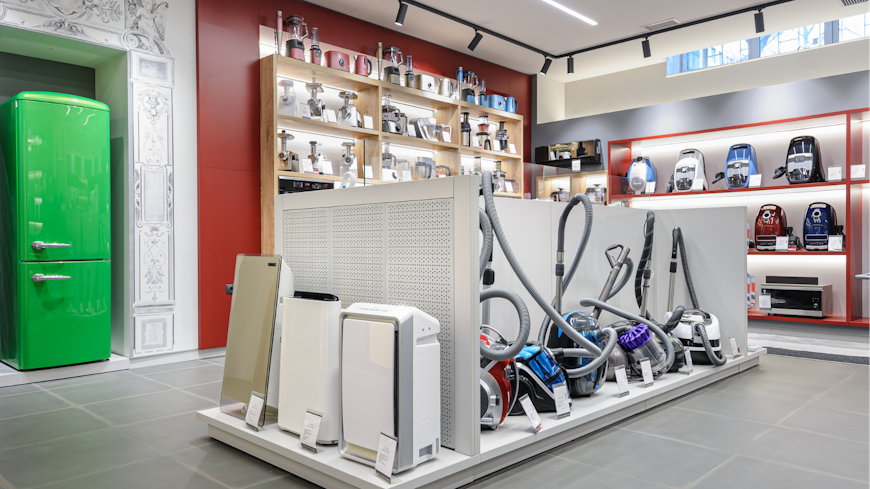
Appliances that aren’t deemed worthy of occupying premium showroom space often end up at outlet stores. Typically, these stores stock last year’s models or clearance stock that needs getting rid of.
Outlets also sell units that are:
factory seconds or “B grade” – unused appliances that are not suitable for regular sale, usually because they’ve suffered cosmetic scratches or dents
open-box or display – appliances that have been unpackaged to display in store or returned by a customer after little-to-no use
refurbished – appliances that have been traded in or returned as faulty, then professionally inspected and tuned up for resale. Take extra care with these – occasionally, a faulty unit will end up back on the shop floor after a shoddy repair.
In New Zealand, Harvey Norman has four outlet stores in Auckland, Hamilton and Dunedin, and individual manufacturers, such as Fisher & Paykel, Miele and Award, have their own factory seconds stores, both physically and online.
Which appliances are best to buy from an outlet?
Because outlet stores offer better prices, they can be a smart choice for certain products.
We recommend always checking what an outlet appliance’s original recommended retail price (RRP) was. If you know how much you’re saving, you can judge whether the potential downsides are worth it.
If the appliance has no RRP and isn’t sold new anywhere else, compare its price to a few products with similar specifications.
Safe outlet buys
Small appliances tend to have fewer functions that can go wrong. If you’re trying to fill the kitchen of your flat, or graduating from flatting for the first time, an outlet store can save you a few bucks on the essentials, like a kettle, toaster and blender.
If you want to trial a new way of cooking, buying appliances like air fryers or slow cookers at outlet prices reduces the amount of money you’ll waste if you’re not converted. Check the seals around the lid or drawers to make sure they’re in good condition.

Riskier outlet buys
Large appliances are where the big savings can be made, but you should always triple-check they’re in good condition. Complex whiteware, like fridge freezers and washing machines, can be expensive to repair, and create huge inconvenience when they’re out of action.
On the other hand, if one of your existing appliances has died, finding a good replacement at an outlet can be much softer on your household budget.
Built-in or integrated appliances like cooktops, wall ovens and dishwashers require extra care. Because they require custom installation, colour matching and/or precise measurement to fit with your kitchen cabinetry, they can be tricky to buy from an outlet. Consider checking their compatibility with your installer beforehand.
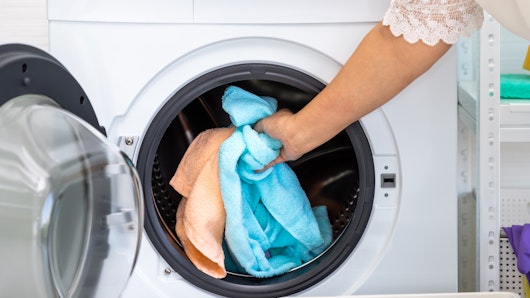
Looking for a new washing machine?
Find the best washing machines in New Zealand with our test reviews for front- and top-loading washing machines from Samsung, Haier and more.
Your consumer rights when buying from an outlet
The Consumer Guarantees Act (CGA) still applies to outlet purchases – even refurbished or open-box products – provided you bought them for personal use.
Even if the outlet attempts to contract out of its obligations – for example, by saying there are no refunds or that goods are sold “as is” – you still have full rights under the CGA.
The Act’s guarantees include that appliances will be of acceptable quality (meaning they have to look acceptable), be safe, be fit for purpose, last for a reasonable amount of time and be free from minor defects. The goods must also match the description given in advertisements, and unless the customer is advised otherwise before making the purchase, they must have spare parts available for them for a reasonable time.
If something goes wrong, you can ask the outlet to offer you a refund, a repair or a replacement. If the defect is serious, you can insist on a refund.
However, there are exceptions to these rules. For example, if you bought a TV from an outlet store knowing it was scratched, you can’t return the TV and ask for a refund, repair or replacement purely because it’s scratched.
If a written manufacturer’s warranty is included with the product, the manufacturer has to honour it. However, there won’t always be one.
6 questions to ask before buying
What condition is the appliance in? Are you happy with any cosmetic damage? Test key functions in the store if you can.
What is the history of the unit? Has it been a display model or pre-owned? Ask for a serial number – it’ll make your life easier if you need after-sale support.
Do any local companies service the brand? Are spare parts available so you can make basic repairs yourself?
How long is the store warranty? Some outlets offer very short warranties. Even though your CGA rights apply, it’s easier to get a store to honour its own warranty, so longer is better.
Can the outlet help you with delivery and installation? What are the fees involved?
What’s the store’s return policy? You always have the right to return a faulty product, but what if you change your mind? Perhaps the appliance doesn’t fit in your house, or you want to swap to a different finish? Return policies differ, so find out how flexible the store is and how long you have to make returns.
If you complete the purchase, we recommend keeping all receipts and taking photos of the appliance’s condition before you leave the store.
What to do when the appliance arrives
Don’t sign off on delivery of the appliance until you’ve inspected it for transit damage. You can ask the deliverer to help you open the packaging so you can check it faster.
Photograph any damage, even damage you were aware of before purchasing, before the deliverer and/or installer leaves.
If you do find new damage, make sure it’s logged by the deliverer. Under the CGA, the retailer, not the delivery company, is responsible for safe delivery, so you should follow up with the outlet.