By Belinda Castles
Researcher | Kairangahau
There are several everyday foods that can make your dinner dangerous, including raw milk, frozen chicken nuggets and frozen berries. Here’s how to stay safe eating them.
When it comes to food, I’m a stickler for preparing, cooking and storing it safely. I’ve even got an ancient fridge magnet reminding the family to “clean, cook, cover, chill” to make sure the food we’re eating doesn’t make us sick.
While it’s important to take steps like always washing your hands before preparing food, some foods are riskier than others.
Here are 5 risky foods and our tips for keeping you safe when you’re eating them.
1. Raw milk
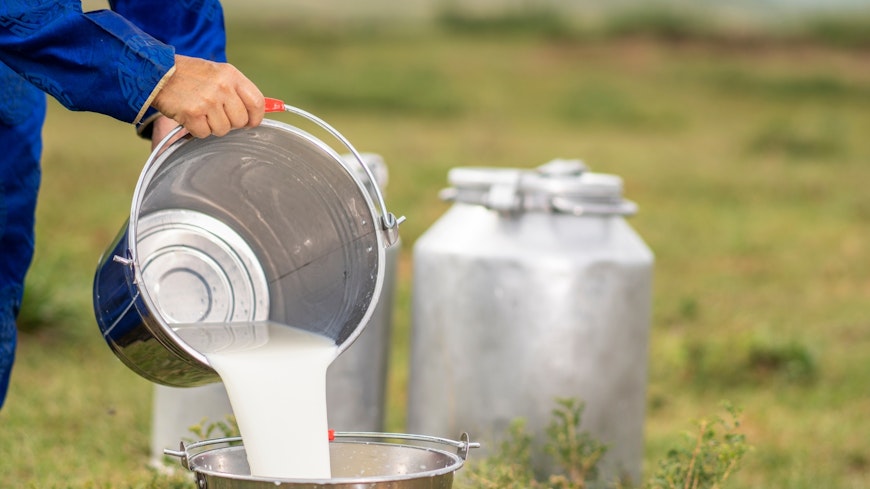
What’s the risk?
Raw milk isn’t pasteurised (heat treated). This means it misses a process that kills harmful bacteria, such as Campylobacter and toxin-producing strains of Escherichia coli (E.coli). It doesn’t matter how carefully farmers milk the cows, there is a risk of harmful bacteria getting into the milk, and there’s no way of telling by taste, sight or smell.
Campylobacter and E.coli can make people ill. Typical symptoms include diarrhoea, stomach pain and vomiting.
Over the years, there have been several raw milk recalls. In 2024, there were 2 confirmed cases of campylobacteriosis from people drinking raw milk.
Tips for reducing your risk from raw milk
Only buy from a raw milk supplier registered by the Ministry for Primary Industries’ New Zealand Food Safety unit. These farmers follow strict hygiene practices. They must be verified, test their milk for pathogens and label their product appropriately if it is packaged.
If you’re reusing containers to collect your raw milk, make sure the containers are clean and dry.
Keep raw milk chilled while transporting it from the farm.
Give your contact details to the farmer so they can reach you if milk testing identifies problems.
Heat raw milk until just boiling or it reaches 70°C for 1 minute before drinking it. This will kill any harmful bacteria in the milk.
Keep raw milk in the fridge and make sure your fridge is 4°C or colder. If raw milk gets to room temperature, throw it out.
Drink raw milk before its use-by date.
Don’t give raw milk to young people, older people, pregnant women or people with compromised immunity. If you are serving raw milk to friends or visitors, let them know the milk is raw and tell them about the risks.
2. Frozen crumbed chicken products
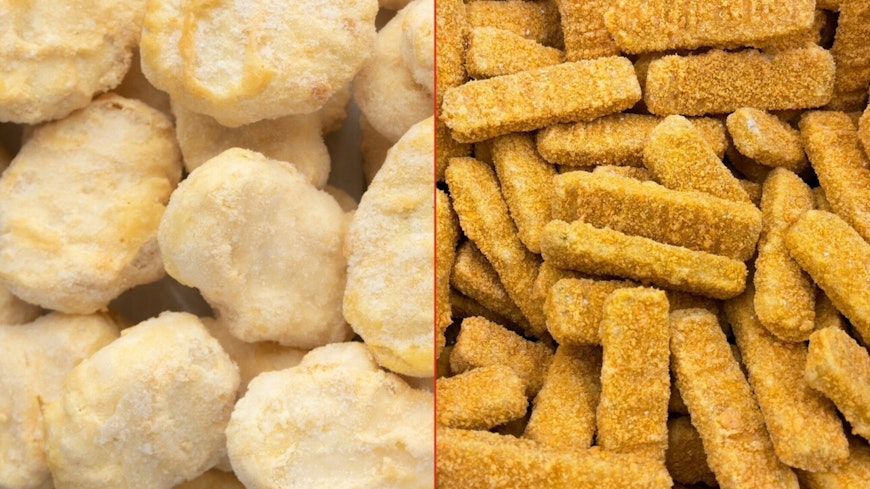
What’s the risk?
Many frozen, crumbed chicken products, like nuggets and burgers, have a flash-fried coating, but the chicken inside that coating is raw. Overseas testing has found these products can contain food-poisoning bacteria.
Our 2024 food safety survey found many people aren’t aware of the food safety risks in frozen chicken products.
36% of people who eat these types of frozen chicken products understand that the products are raw.
54% think the products are partially cooked but still need to be fully cooked.
10% believe they are fully cooked and only need to be heated up.
This means some people aren’t cooking frozen chicken products properly before eating them. If frozen, crumbed chicken products aren’t cooked properly, food poisoning bacteria like Campylobacter and Salmonella can survive.
Tips for reducing your risk from frozen crumbed chicken products
Follow the cooking instructions. Most products recommend cooking from frozen.
If you’re cooking these products with other foods, such as chips or vegetables, make sure you’re not cooking them for a shorter time or at a lower temperature than advised for the chicken.
Check the chicken is safe to eat. Cooking appliances vary, and the instructions are only a guide. Chicken juices should run clear if the chicken is cooked. If you have a meat thermometer, use it to ensure the chicken is steaming hot (75℃ or more) all the way through.
Always wash your hands after handling these chicken products, as you would after handling any raw chicken. Wash your hands with soap and warm water for at least 20 seconds, then dry them thoroughly.
3. Frozen berries
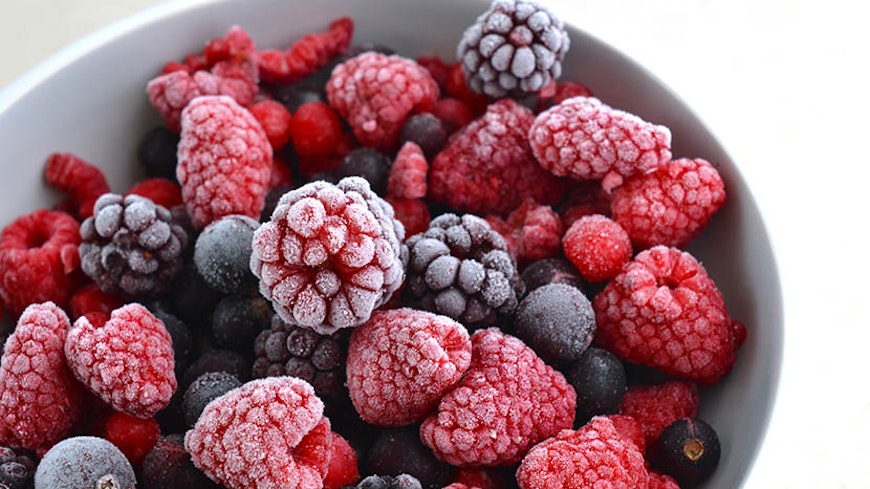
What’s the risk?
Frozen berries can carry harmful viruses, including the hepatitis A virus, norovirus, and bacteria such as Shiga toxin-producing E. coli (STEC) and Salmonella.
These microorganisms can come from the farm where berries are grown. They are spread to the berries through unclean water or soil or infected workers or animals. Food handlers, machines and equipment can also contaminate berries during the harvest.
In recent years, some brands of frozen berries have been recalled in New Zealand because of a possible link to hepatitis A cases.
Tips for reducing your risk from frozen berries
Washing the fruit won’t get rid of the risk. New Zealand Food Safety recommends:
briefly boiling frozen berries before eating them – making sure the cooking temperature exceeds 85°C for 1 minute
if you are microwaving berries, stirring the berries half-way through the cooking process to make sure they’re cooked properly. Cook berries until they are bubbling.
You can refreeze frozen berries that have been heat-treated to use some other time.
4. Raw chicken
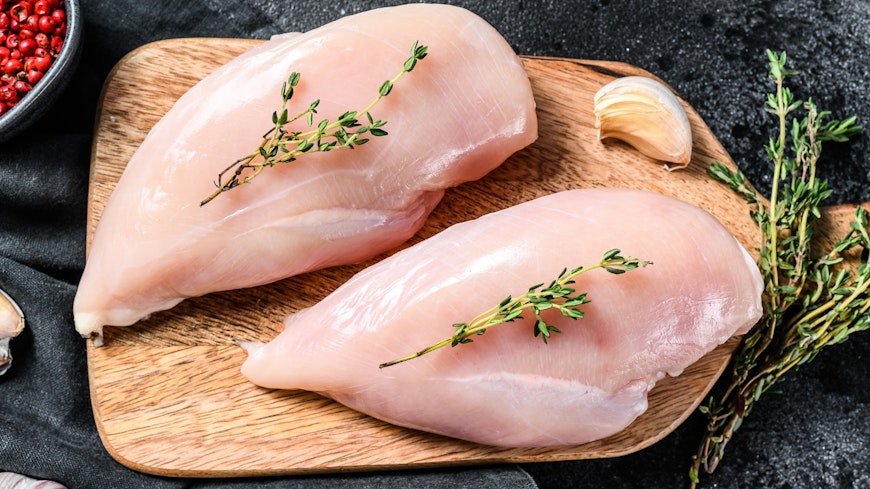
What’s the risk?
Campylobacter is the most common cause of foodborne illness in New Zealand. Raw or undercooked chicken is the main source of Campylobacter. The bacteria can survive if the chicken isn’t cooked properly.
New Zealand Food Safety has reported that rates of campylobacteriosis have been decreasing and is committed to working with stakeholders to drive rates even lower. However, some public health experts argue more could be done. This includes:
making it mandatory for producers to label fresh chicken to alert consumers to the risk
introducing maximum allowable limits of the bacteria on fresh chicken that is for sale.
Our food safety survey highlighted gaps in food safety when preparing raw chicken. This includes washing raw chicken and not cleaning chopping boards properly.
Tips for reducing your risk from raw chicken
Avoid cross-contamination. Cross-contamination is when harmful bacteria spreads to different foods and surfaces. Keep raw chicken covered and separated from ready-to-eat and cooked foods. Use separate chopping boards, plates and utensils when preparing uncooked chicken, or wash your kitchenware with hot, soapy water before using it for other foods.
Don’t wash raw chicken. Water doesn’t kill bacteria, and rinsing the chicken will just spread the bacteria to other surfaces. If you want to remove some of the raw chicken juices, pat the chicken dry with a paper towel, then throw the towel straight in the bin.
Check chicken is safe to eat. Chicken juices should run clear when the chicken has been cooked properly. If you have a meat thermometer, use it to ensure chicken is steaming hot (75℃ or more) all the way through.
Wash your hands with soap and warm water for at least 20 seconds, then dry them thoroughly after handling raw chicken.
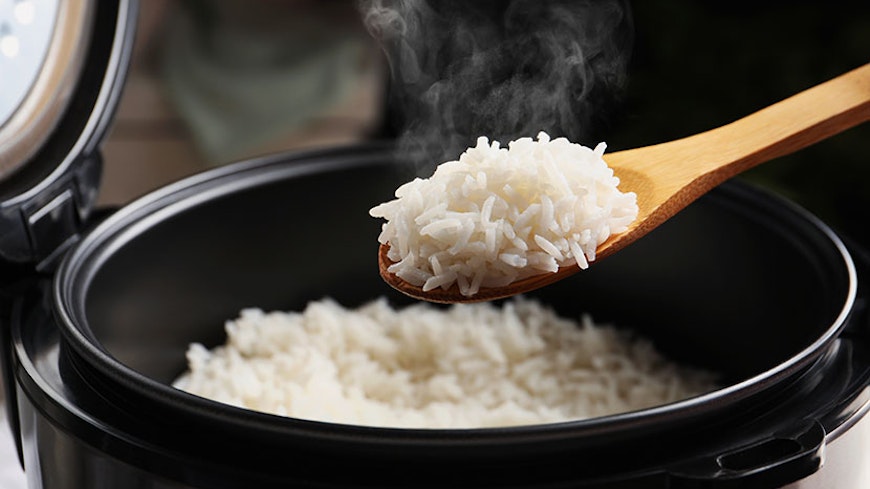
5. Rice
What’s the risk?
Uncooked rice can contain spores of Bacillus cereus, and the spores can survive cooking. If rice is left standing at room temperature for longer than 2 hours, the spores will germinate into live bacteria that can produce toxins that can cause nausea, vomiting and diarrhoea. Reheating doesn't destroy the toxins.
Tips for reducing your risk from rice
It’s best to serve rice that’s just been cooked. If you need to store cooked rice to use at some other time, store it in the fridge. Cool the rice as quickly as possible (ideally within 2 hours). If you’re cooling a large quantity of rice, separate it into smaller amounts to help it cool faster.
Keep cooled rice for no longer than 2 days in the fridge.
When reheating, make sure rice is steaming hot all the way through.
Don’t reheat rice more than once.
How to find out about food recalls in New Zealand
These are some of the dozens of foods recalled in New Zealand every year.