By Rebecca Styles
Research Lead | Hautū Rangahau
From loyalty cards and specials through to the percentage of corn in the tin, we’ve covered a lot of supermarket content this year. Here’s five things we’ve learned while checking out the aisles.
1. Loyalty cards don’t mean cheaper prices
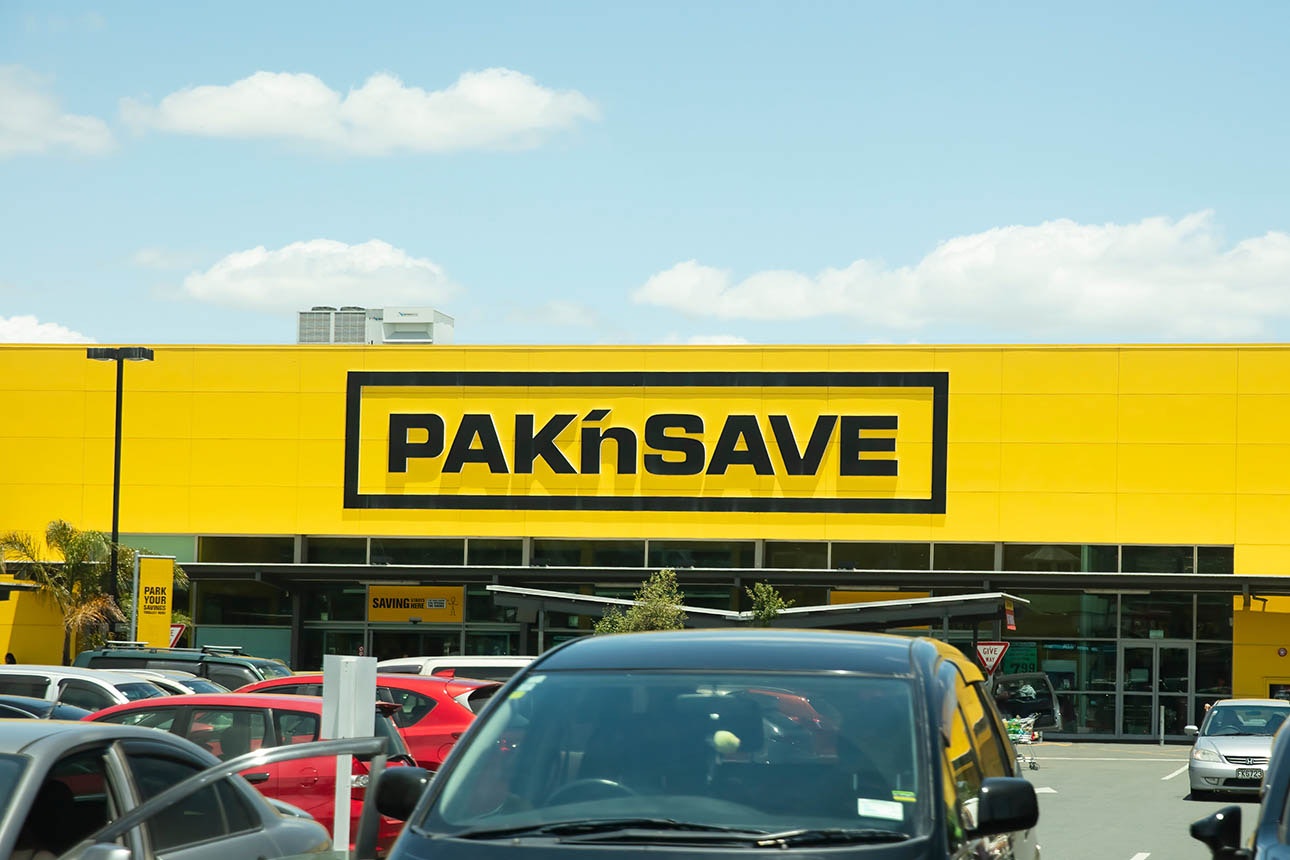
Our recent investigation into supermarket prices for a basket of 22 grocery items found that on average Pak’nSave was the cheapest, even though it doesn’t offer any sort of loyalty or membership programme.
We also found that loyalty cards offer paltry savings. At New World swiping your Club Card would on average only save you $8.22 a week, while Woolworths’ Everyday Rewards would save you only $1.54.
We reckon the supermarkets are making much more money from your data than you’re saving at the till. We don’t think you should have to swap your data to access a good deal.
2. There’s nothing special about specials
In part two of our supermarket investigation, we found examples of dodgy special labelling.
At Pak’nSave Lower Hutt, the regular price for Palmolive Dishwashing Liquid (500ml) was $2.49, but a few weeks later it’s “Extra-Low” price was $2.79.
Meanwhile at Pak’nSave Papanui, Fresh’n Fruity Yoghurt (1kg) was consistently labelled “Extra-Low”, even though the price fluctuated between $4.49 to $4.99 and up to $5.29 over the 8 weeks of our survey. We think the variance in price makes the “Extra-Low” label meaningless.
We also found examples where the regular price at Pak’nSave was lower than a club or member deal at Woolworths and New World.
3. Pricing mistakes are costing shoppers millions of dollars
The Grocery Commissioner’s report on the grocery sector in August this year said pricing errors are likely to be costing shoppers millions of dollars each year.
The commissioner wants the supermarkets to advertise their refund policies clearly and take note of how many errors are reported to them.
We don’t think this is good enough. It’s up to the commission to monitor the sector – it’s not up to the customer to police pricing. All shoppers should be confident they’re being charged the right price at the till.
On the plus side, unit pricing is now mandatory. Unit pricing makes it easier to compare products based on what they cost per measure – for example, per 100g or 100ml. Since 31 August 2024, supermarkets must show unit pricing.
Check an expert's tips on how to save money using unit pricing.
Although retailers were given another year to have unit pricing online, the supermarket chains now have it in place.
However, Pak'nSave and New World took down the ability to sort by price while updating their websites to accommodate changes to unit pricing. Taking away the ability to sort by price during a cost-of-living crisis is a disservice to customers.
Both supermarkets have since returned the sort-by-price tool to their websites.
If you’ve been caught out by a pricing error, or spot something odd on a supermarket website, let us know by emailing [email protected].
4. We’re buying more basics and less treats
The New Zealand Grocery Shopper Report, produced by Australian market research company Focus Insights, found New Zealanders are buying more basics at the supermarket.
Specifically, consumers are buying more milk, bread, pasta and rice, among other grocery staples.
While some people were spending less on meat and vegetables, others were spending more.
While this signals some people are prioritising healthy eating, the report also noted that people were having more meat-free meals, buying cheaper meat and using smaller portions in meals.
People were also buying less treat foods, soft drinks and luxury items.
5. Supermarket brands aren’t always good value for money
Our investigation into supermarket home brands found Pam's Value cream-style corn contains just 40% corn. Woolworths Essential brand doesn’t fare much better at just 48%.
At the other end of the scale, Watties had 80% corn, with Oak and Pams not far behind with 71% and 70%, respectively. Edgell’s had 58% corn.
The lesson? It pays to check the ingredients list on budget buys, so you know exactly what you’re getting.
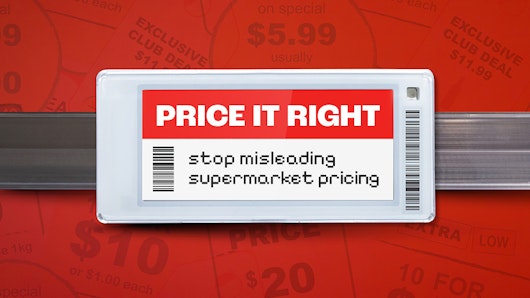
Make supermarkets price it right
Find out about our campaign to tell the government we need clear rules, stronger penalties and automatic compensation for shoppers.