By Rebecca Styles
Research Lead | Hautū Rangahau
I can’t say I’ve ever thought of buying artificial lawn as part of my Easter supplies, but that’s what a shopper pops into her trolley on an Instagram clip for The Warehouse.
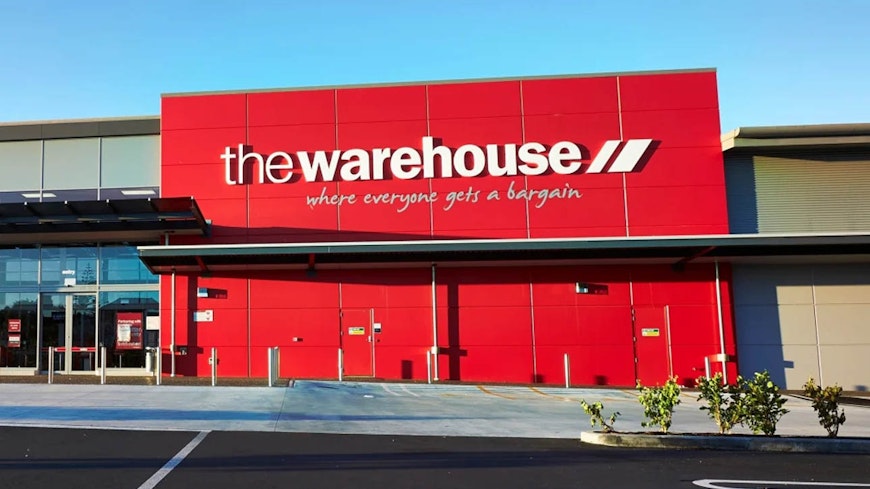
The shopper, digital creator Lou Walker, creates an Easter ‘eggstravaganza’ for her whānau from products bought at The Warehouse.
At one point in the clip, she swaps her basket for a trolley cos she has so much stuff.
The ‘eggstravaganza’ takes place in a back yard. It’s strewn with stuffed toys, a basket wrapped with plastic grass and flowers, streamers wrapped around tree branches, an archway decorated with more plastic flowers, and of course, chocolate eggs.
So far, so grammable. No doubt the whānau will love it. But if, like me, you’ve taken a closer look at the sustainability claims at The Warehouse, you’ll wonder how selling lots of cheap holiday merch fits in with its sustainability goals.
Sustainability claims, sales profits, and single-use merch
One of the ‘red shed’s’ goals is to reduce the amount of “post-consumer waste going to landfill”, yet a lot of the products will likely end up in the bin after a single use.
From what I could see on the video, aside from some cardboard signs, none of the products appear to be sustainable or have sustainable packaging or be made from certified ingredients – another of its goals. Can plastic eggs be recycled? Or the artificial lawn, or fake flowers.
While the ‘eggstravaganza’ would be a lot of fun, it’s hard to see that it’s helping to create “sustainable living solutions that help our customers live a healthy, low-carbon lifestyle.”
While The Warehouse may have good intentions, selling single-use novelty items at Christmas, Halloween, and Easter seems to work against those intentions.
Record-breaking sales exceeding $1 billion in the previous six months
When I spoke to Georgie Ferrari, the chief executive at The Sustainability Trust, about The Warehouse’s green intentions, she said “there doesn’t seem to be any effort to minimise consumption.”
Consumers buying less will impact the company’s bottom line.
In March, The Warehouse announced sales were up 13.2% in the previous six months (ending January 2023). Sales exceeded $1 billion – its “highest half year sales on record”. Is its campaign to get us to buy single-use tat putting profits before the planet this Easter?
The Warehouse responds: Easter promotion fits with its sustainability goals
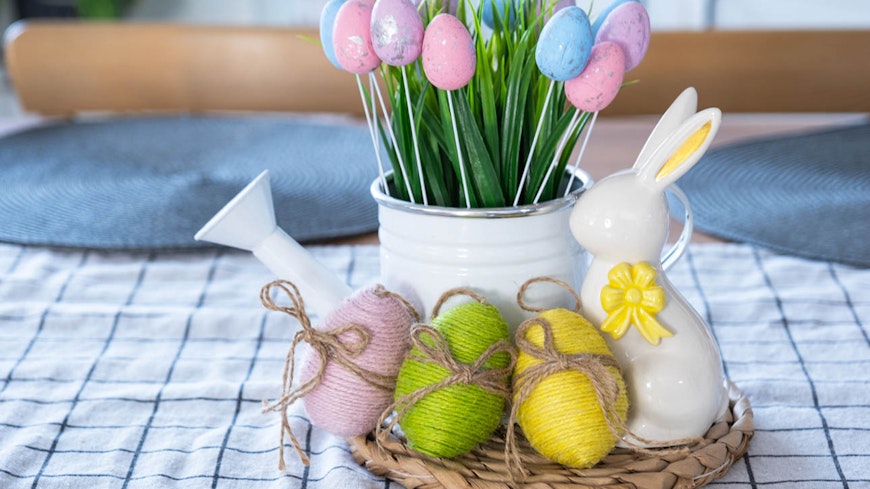
We asked The Warehouse how the Easter promotion fits in with its sustainability goals.
The spokesperson said the chocolate has Rainforest Alliance certification, which counts towards its commitment to sustainable certified ingredients, but they didn't say whether the plastic eggs, shredded paper or fake flowers had any sustainable features.
According to The Warehouse, they want to provide “Kiwis with the things they want to celebrate special moments, while delivering on our sustainability commitments".
The Warehouse aren’t shy about their positioning, asserting that they're “making sustainable living easy and affordable.” They also had a high-profile sponsorship deal with Stuff's Forever Project, which reports on climate change and sustainability issues. However, a The Warehouse spokesperson confirmed they no longer sponsor the page.
The Warehouse are talking the talk on climate change, but are they walking it?
The stores have profited from an economic system that turns on continual growth, on selling more stuff to more people – the cheaper the better. Now that the planet is on fire, they are continuing to sell more stuff – especially on holiday occasions – while trying to convince us the business has sustainability in mind.
Is this the ultimate oxymoron? Or just greenwashing.
Help stop greenwashing in Aotearoa
We need your help to call out dodgy 'green’ claims.