Any new windows in your place need to be double-glazed to meet Building Code requirements.
It’s a sizable investment to get them installed. That said, they’ll hopefully be there for a long time, so make sure you choose the best option.
Retrofit double glazing
Going down the retrofit path can save you money and preserve the look of your joinery. A pane of glass is installed on the interior of your windows to add an extra layer of insulation. Whether or not you choose this option comes down to your design ideas and if your current windows have enough life left in them to justify fitting secondary glazing. If they’re completely clapped out, you’ll want to replace them entirely.
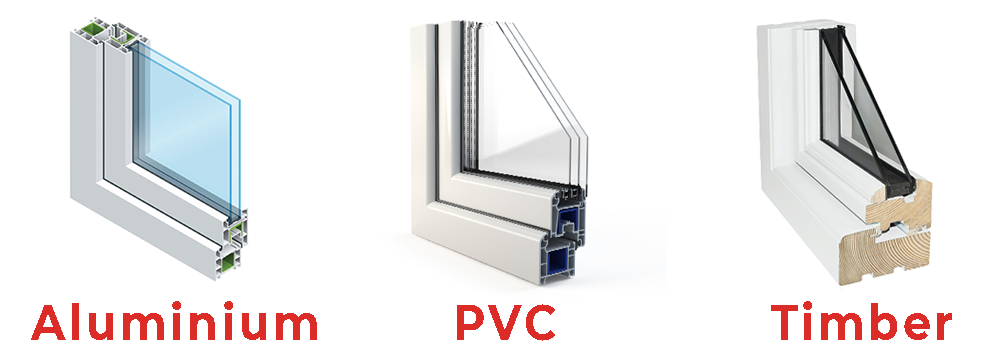
Aluminium
Aluminium double glazing is popular here, probably because it’s a familiar material that looks similar to the windows many of us end up replacing. If you can afford it, choose thermally broken frames. These (usually) have a plastic strip running throughout the framing, which slows the transfer of heat to the outside. Without this thermal break, condensation is more likely to form on the frames.
PVC
PVC (polyvinyl chloride) is a plastic but don’t think of it in the same light as the usual stuff you throw in the recycling bin.. It’s a very common window frame material in the Northern Hemisphere and is gaining a lot of traction in our climes. The stuff used here should be treated to deal with our harsh sunlight – but be sure to check. PVC is excellent at keeping in the heat. If you don’t like the all-white look, you can have coloured or wood-style capping attached indoors or out (but this this sends costs skyrocketing).
Timber
Wood is an excellent insulator and timber-framed, double-glazed windows do a superb job at keeping you warm. If you choose them, go in knowing that they’re the most expensive frame material. They also require more maintenance than PVC or aluminium frames, which can get by for years with only occasional washing or wiping down. Wood, on the other hand, requires you keep tabs on the paint or other or varnish finish to keep them looking fresh.
Triple glazing
Triple-glazed windows have three panes of glass between you and the outside world. They’re considered the crème de la crème of windows, usually with PVC or timber frames, and are the most expensive option. More often than not, they’re imported from Germany, which explains some of the premium. If you’re gunning for something like a Passive House certification, you’ll likely need them if you’re building anywhere south of the Bombay hills.
Add-ons
When you get the quote for your windows, they’ll usually come with some upgrade options. For example, argon gas or low-emissivity glass improve the thermal performance of your windows. On the flipside, these types of extras can quickly escalate costs if fitted out throughout your entire home. It’s over to you if you want to go for it, but if the budget won’t stretch that far, you can always just opt for these upgrades in the rooms you tend to spend the most time in.
How installation works
Once you’ve settle on a quote, you’ll likely have a bit of a wait before the installers show up. The actual installation process usually only takes a couple of days. They’ll cut around your old windows and put in the new ones. You’ll need to install architraves indoors to cover the edges and there’ll be painting required on the frames (indoors and out). The installer may include all of this as part of its quote, or you can do it yourself.
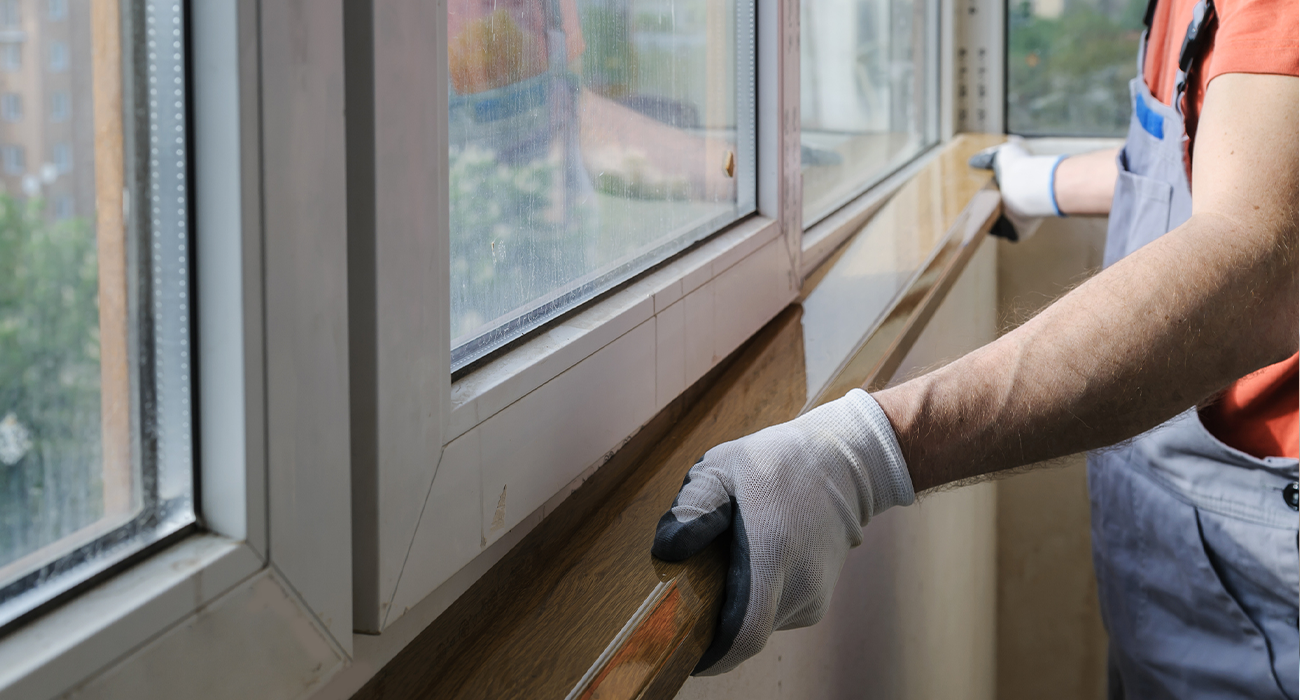
It pays to take advantage of all the work going on and install new flashings, the installers can do it and they’re not expensive. At the same time, you’ll be crossing your fingers and hoping the frames haven’t rotted out – if that’s the case, the job grinds to a halt while you find a builder to make the repairs.
Sliding windows
If you want to get fancy and have sliding windows, you’ll pay much more than your typical awning windows (the ones that open by swinging out from hinges at the top).