By Paul Fuge
Powerswitch Manager | Pou Whakahaere Powerswitch
Electricity is essential to our health, wellbeing and ability to participate fully in society. It’s also critical to our national prosperity.
Electricity affects all of us. Not just through our power bills but also through its influence on the cost and availability of almost everything we buy and do.
Yet, despite how deeply it affects our daily lives, consumers are often left out in planning and developing our electricity system. That’s why we’re pleased to announce that Transpower — the organisation operating New Zealand’s national grid — is working with Consumer NZ to seek the views of ordinary New Zealanders.
A large part of the cost of electricity lies in getting it from power stations to our homes and businesses. This is a complex and expensive task. Invest too little, and we risk developing an unreliable system that can’t deliver the energy we need, when and where we need it — leading to shortages and blackouts. Invest too much, and we end up with underused assets and unnecessarily high costs.
Like Goldilocks, we need to find the balance that’s just right.
And that’s where you come in. We’re working with Transpower to ensure households have their say in shaping the future of our national grid, ensuring it delivers for everyone, now and into the future.
Our national grid and Transpower
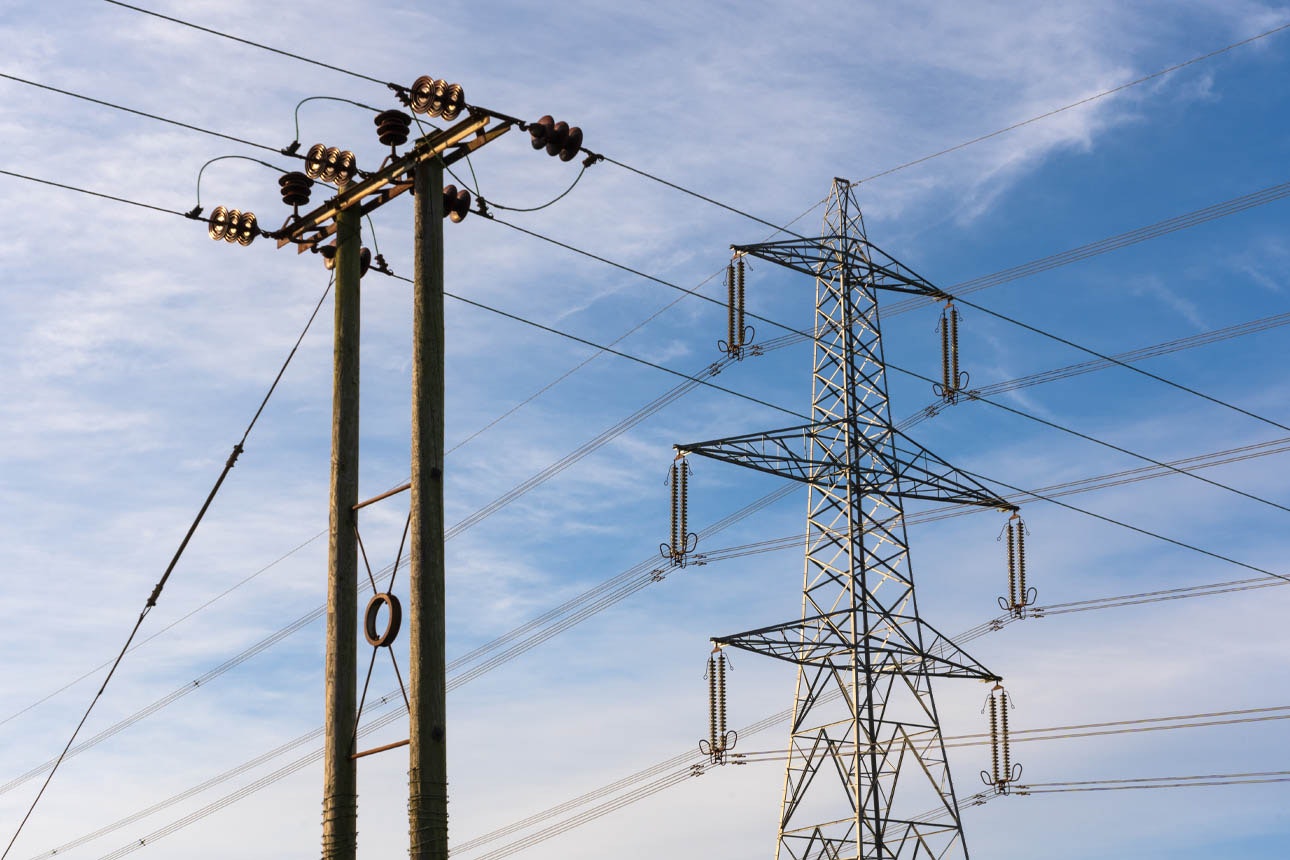
The national grid is the vast network that moves high-voltage electricity from power stations to towns, cities and large industries across New Zealand.
Transpower is the state-owned enterprise responsible for keeping the national grid running smoothly. Transpower manages more than 11,000 kilometres of transmission lines, around 25,000 electricity towers and 174 substations across the country. It also coordinates the real-time operation of the electricity system, balancing supply and demand and making sure the lights stay on. Think of it as the bulk transporter of electricity: picking up power from power stations and delivering it to the 28 smaller local electricity networks, which then distribute the power to homes and businesses.
Despite the challenges of our rugged terrain, isolation and wild weather, we have a world-class grid that keeps New Zealand powered and connected.
Forecasting for future needs
Making the best investments in our national grid is a tricky process. The challenge lies in the fact that the assets that make up the national grid (power lines, transformers, substations) are both eye-wateringly expensive and built to last decades. A power line or transformer installed today will still be in service 50 or 60 years from now.
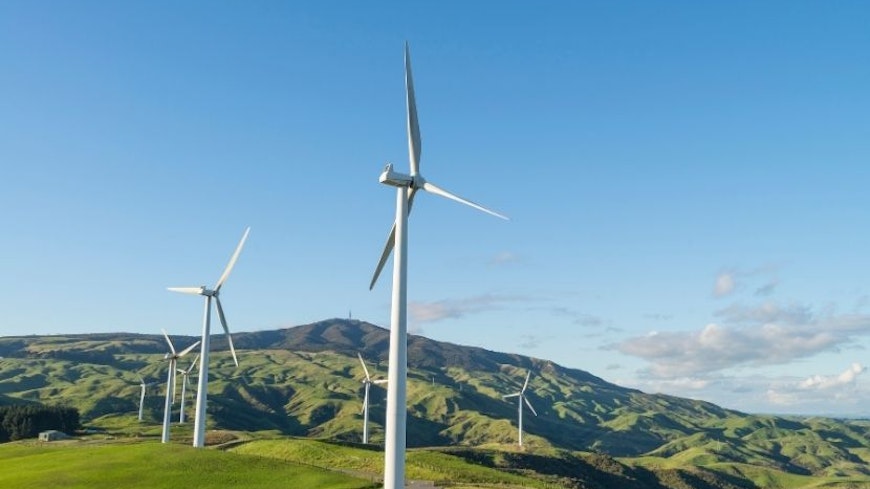
That’s why we need to choose wisely. Every investment must not only meet today’s needs but also support the future we want - a future where New Zealand can continue to grow economically while reaching net zero emissions by 2050. Predicting where, how and how much electricity we will be generating and using is central to achieving these goals.
By 2050, our electricity system will look very different. More renewable generation, distributed energy and smart technologies, evolving industries, population changes; these and many other factors will shape the demands on our power supplies. Get it wrong, and we risk limiting economic growth and opportunities or overbuilding and saddling future generations with unnecessary costs.
In short, Transpower must plan to enable a better future: one that powers growth, supports a low-emissions transition and ensures reliable electricity for everyone, no matter how the world changes.
Scenarios to the rescue
There’s an old saying: “He who fails to plan plans to fail”. Even if we can’t predict exactly what will happen, we can plan for different options. Scenario planning isn’t about predicting the future; it’s about preparing for a range of credible possibilities so we can cope no matter what unfolds.
Transpower has drawn on the views of electrical industry leaders, economists, engineers and everyday New Zealanders to explore a range of different but feasible futures. These scenarios don’t predict exactly what will happen (most likely, the future will be a mix of the options), but they provide a structured way to forecast future electricity demand and figure out what infrastructure will be needed, where and when.
Five scenarios explore different possible futures for New Zealand’s electricity and economy.
In Patchwork Nation, slow growth and uncertain government direction have communities relying on creativity and practical solutions rather than big investments.
Aotearoa Electrified imagines a steady, long-term path, where our country leads on emissions reductions.
Global Green Rush sees international coordination driving down clean technology costs, helping New Zealand cut emissions while boosting industries like manufacturing, transport and farming.
In Made in Aotearoa, expanding production in the primary and manufacturing sectors maximises the advantage of renewable electricity to grow the economy.
Aotearoa Intelligence envisions a high-tech, knowledge-driven future with growth in AI, digital industries, healthcare, space and creative sectors.
Each scenario examines both global and local trends, the forces shaping our economy and society, and where change is likely to occur.
The missing piece – you!
Too often, planning for complex systems relies on experts, industry leaders and regulators — ignoring the people who actually use and rely on those systems every day. It’s a bit like designing a house, with input from architects and councils but never talking with the people who will live in it! That’s why we’re pleased Transpower is seeking public feedback on the future of the national grid.
After all, ultimately, we all (including our children and grandchildren) will be paying for and using that grid. Consumers’ perspectives are vital: what do we want as a society, and how can the national grid help us get there?
That’s why Transpower has set up a webpage with all the information and a short survey, seeking your insights on how our nation may grow and change to help shape a resilient, future-ready grid.
By contributing, you can help ensure the scenarios reflect what households across New Zealand see as feasible and important, ensuring Transpower can create a national grid that works for everyone.
Follow this link for more information on the scenarios and take the survey to make your voice heard.