By Bryan Wall
Product Test Journalist | Kaipūrongo Whakamātautau Hautaonga
In my continuing quest to throw away less stuff, here are a few more of my fixing successes and one failure (well you can’t win them all!)

Espresso machine
At home, our Krups espresso machine hadn’t missed a beat in 20 years – until it started squirting boiling water at us. Investigation revealed the O-ring seal between the portafilter and boiler had been squashed permanently out of shape.
The machine was too old for a replacement to be available online. So, I had one made. I worked out the size as best I could and contacted a seal manufacturer in Auckland who made me a food safe O-ring for $35. Expensive, but it fitted perfectly and stopped the leak.

The tamper (the gadget you squash the ground coffee into the portafilter with) was also broken.
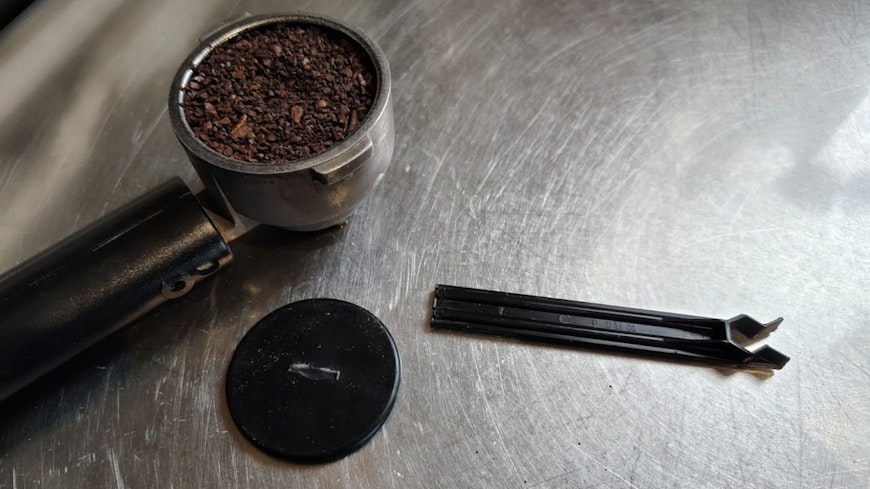
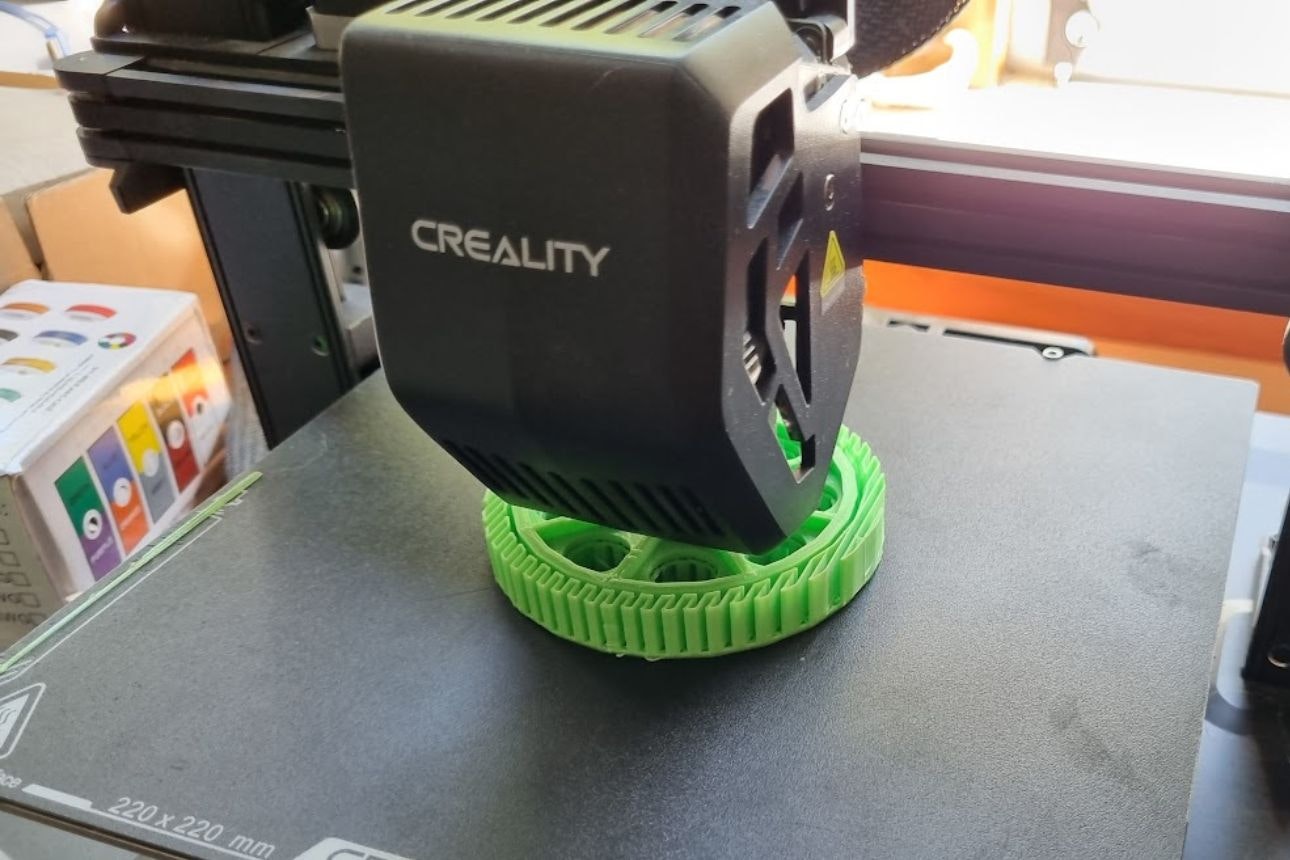
Time to use that 3D printer! I found a file online and printed a glorious yellow replacement! Coffee service resumed!

Palette knife
My wife’s palette knife that helps decorate many delicious cakes needed a new handle. Searching the many 3D print websites such as Thingiverse and Printables, I didn’t find a file. But luckily, I have 3D modelling skills so modelled a new one up myself using CAD (computer aided design). A vernier calliper gauge was vital for this to measure and make sure everything fits. I designed the handle in two parts to sandwich the blade, just like the original, and glued it all together.
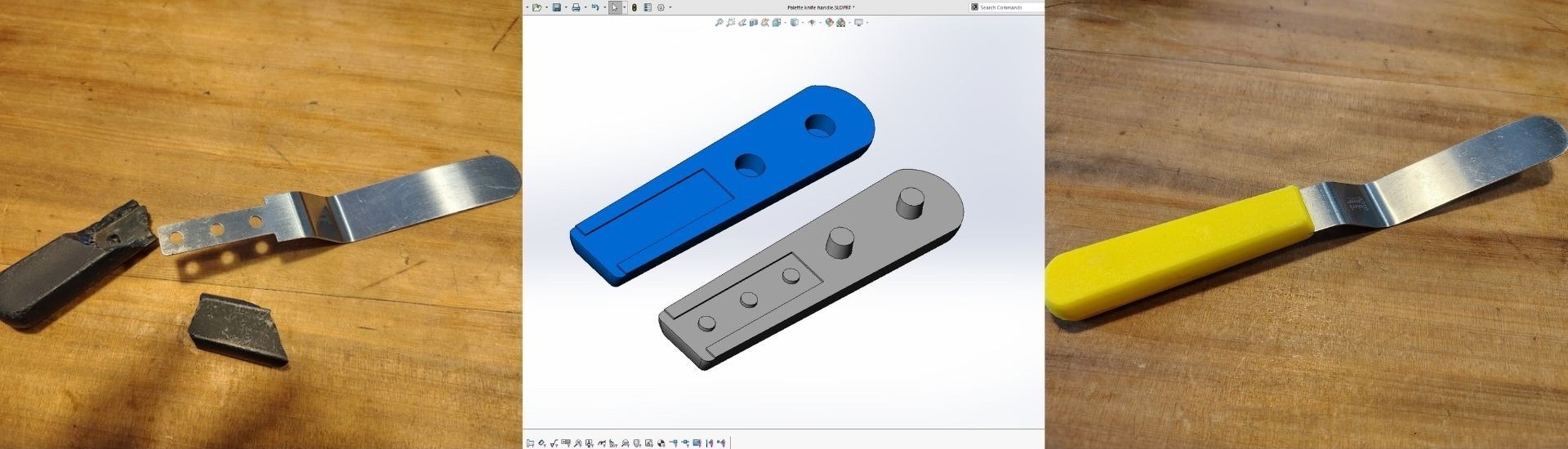
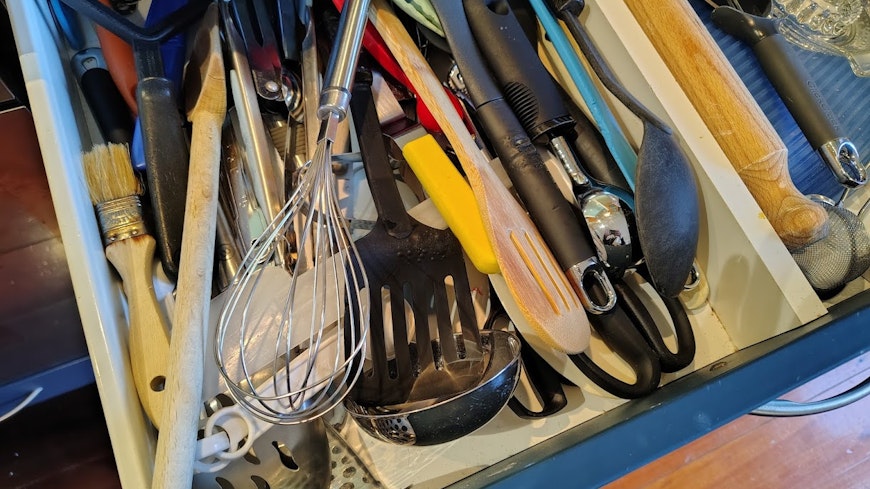
Yeah, it’s also bright yellow, but an extra benefit is that it’s much easier to spot in the overcrowded utensil drawer!
LED candle
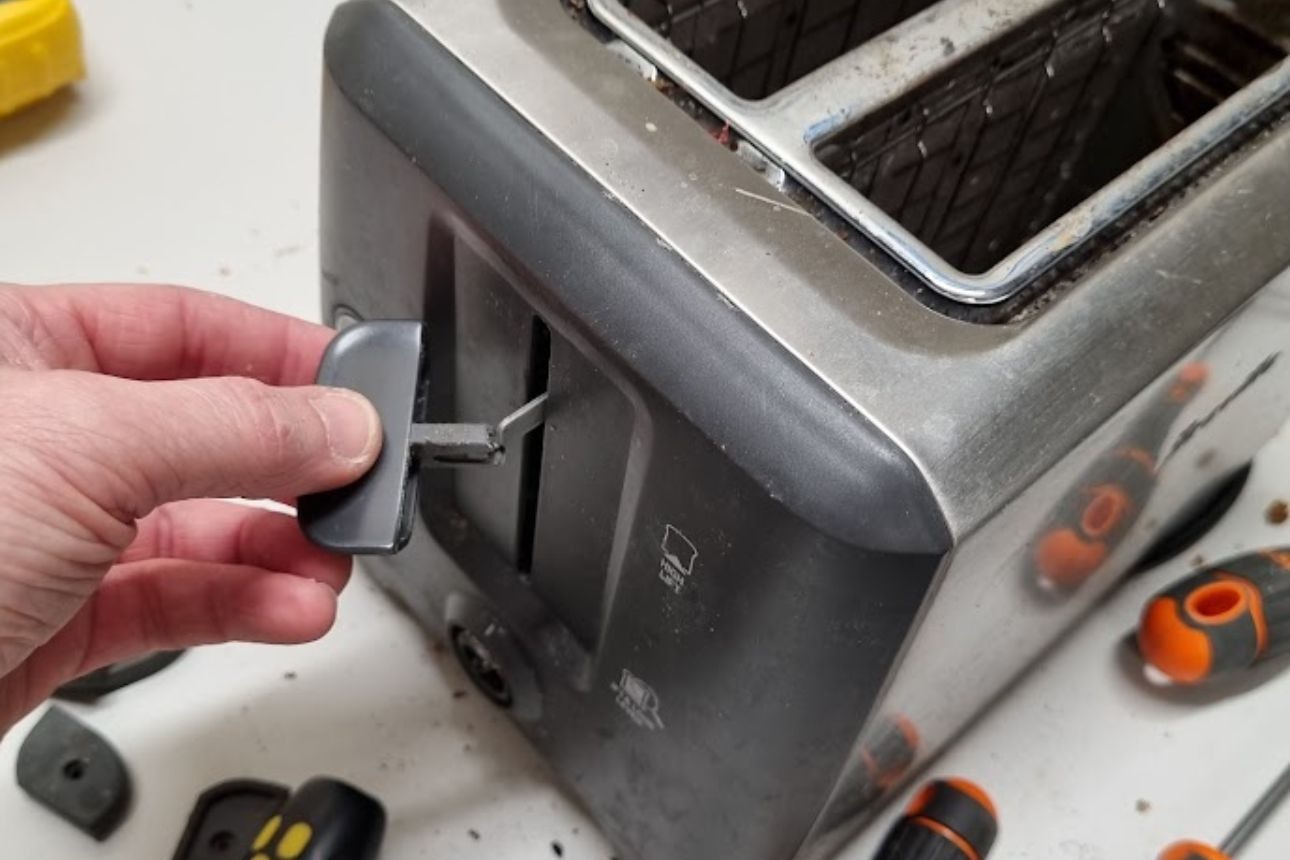
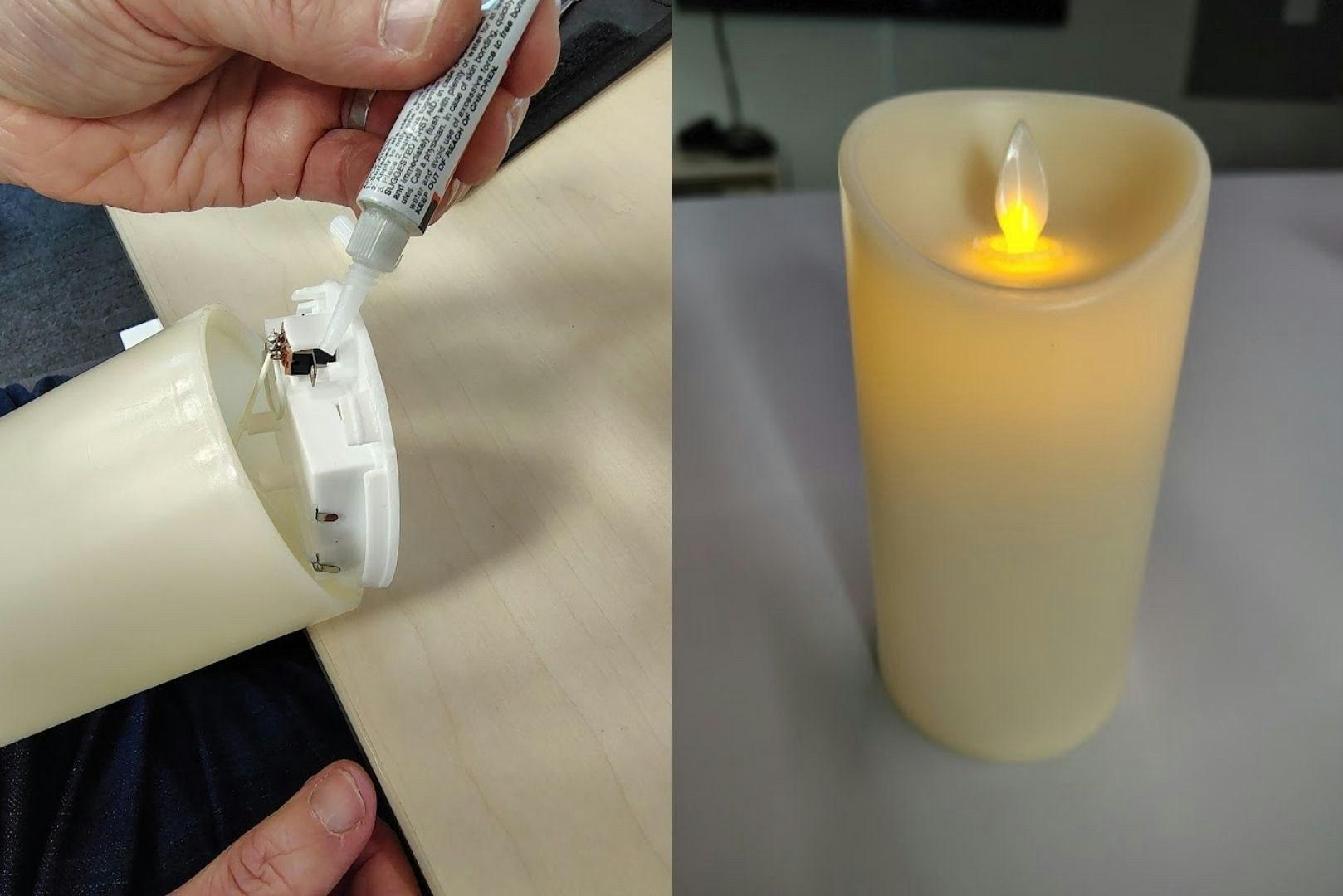
It’s not only expensive items that are worth repairing. When my colleague, Abby’s, LED candle broke, I offered to fix it. The candle could no longer turn on because the switch had been pressed down into the housing. Luckily, the base could be twisted off to access the switch. It was then easy to pop the switch back onto its mounting lugs and add a drop of superglue to stop it happening again. More plastic saved from landfill.
Door fobs
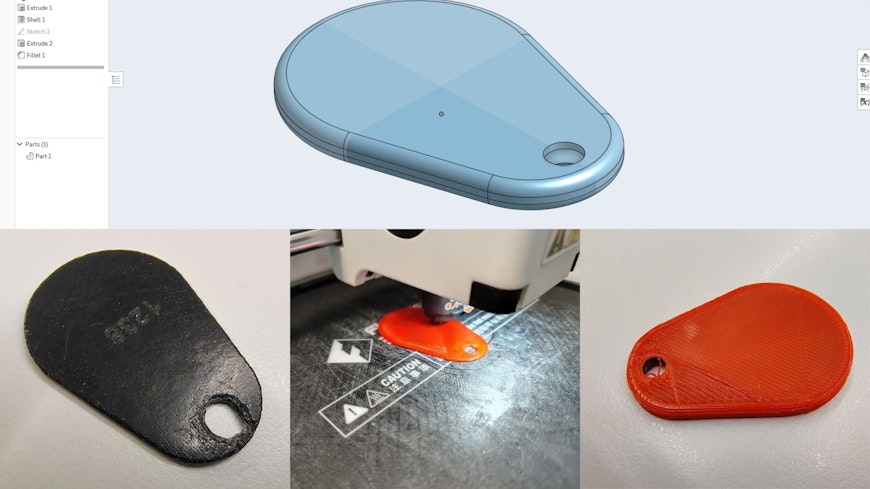
Consumer staff use teardrop-shaped door fobs to access the office. After a lot of use, the fobs tend to wear out, snapping at the hole where they thread onto a keyring. The solution? A new 3D-printed housing.
I used a 3D print file I found online. The trick, I discovered, is to print half the fob first, pause the printer, drop the key tag into the housing and restart the printer. The printer continues to print the housing over the top of the tag and cocoons it inside its new home, avoiding having two parts that need gluing together.
The failure
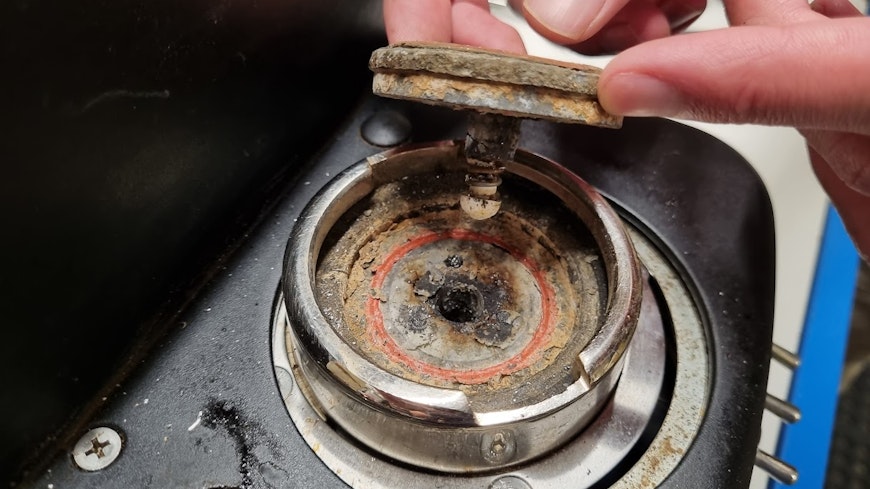
You can’t win ‘em all, and sadly our efforts to repair Consumer chief executive Jon Duffy’s Ascaso espresso machine were unsuccessful. The machine’s portafilter and group head were completely gunked up with burnt coffee residue.
We managed to clean the portafilter, but the group head wasn’t salvageable; the stainless-steel screws had seized into the aluminium body and could not be removed.
The moral here is to regularly clean your coffee machine. We’ll forgive Jon this time as he’s busy championing consumer rights all day, but for the rest of us, remember to clean the machine after making your daily oat milk latte.
Luckily for Jon, as a Consumer member he has access to our coffee machines tests so he can choose the best new machine for himself. He’ll also be making a lot more effort to keep his new machine clean!
Fix it rules
If it’s broke, have a go fixing it, even for low-cost items.
The internet is your friend. There is a mass of repair information available online.
Take care when working with electrics. Always unplug the item and don’t fiddle with its electrics unless you’re confident about what you’re doing. Refer to the Worksafe NZ Electrical Code of Practice ECP50 for guidelines for home electrical repairs.
If you can’t find spares, consider 3D printing. 3D printers are affordable and many free files are available online. Some libraries will also 3D print for you.
Look after your products – keep them clean and follow service guidelines if you want them to last.