By Belinda Castles
Researcher | Kairangahau
A home is one of the biggest purchases we are likely to make in our lifetimes. House hunting is a complicated process, and you can quickly find yourself in over your head.

One in three New Zealanders in our April Sentiment Tracker survey think housing is one of our country’s top 3 most concerning or urgent issues. While 43% of respondents feel completely locked out of the market, 41% think now is a good time to buy.
So, if you find yourself falling for that cute picket fence, follow our 4 tips to help smooth the process.
1. Budget for all costs
When you buy any property, you need to budget for more than just the purchase price and ongoing mortgage repayments. Costs like building reports and legal fees can hit your pocket hard, especially if you’re considering several properties. But this upfront investment is worth it. It can identify issues that could have greater downstream cost.
Budget for:
lawyer or conveyancer fees
building inspections
LIMs and other council reports
moving costs: furniture removal, new furniture and appliances, service connections, for example, where you can’t transfer your existing power or internet service)
maintenance costs: to cover urgent repairs or renovations; ongoing maintenance in the case of larger sections
regular costs: rates, insurance and body corporate fees if the property is in a complex.
Tip
You may be able to:
use your KiwiSaver for your deposit
get government help through the First Home Loan scheme.
2. Gather your support team
Sorting out a good support team beforehand will share the load and help reduce stress.
Financiers
It’s a good idea to confirm you have conditional pre-approved finance before you start looking – especially if you want to buy at auction. This will determine the price range you can consider and means you can make offers quickly if you need to.
Don’t assume a bank’s advertised mortgage interest rate is its best offer. Ask your bank to match others. You can also haggle about things like fees on other accounts.
Find out which banks received our People’s Choice for banks and rank well for overall customer satisfaction in our independent survey of banking customers.
Mortgage brokers or advisers
A mortgage broker or adviser can help with the hard work of getting a mortgage for the first time. They are essentially the bridge between you and the bank.
Mortgage advisers:
must have a licence to operate
must follow a code of conduct
are regulated by the Financial Markets Authority (FMA), which issues the licences and monitors the sector.
Most advisers get paid a commission from the lender (which can create a conflict of interest). They may also charge you a fee.
Before you use one, ask:
how they get paid
how many offers they’ll provide you with
which lenders they don’t represent
why they are recommending a particular loan option.
The Commerce Commission completed a study into personal banking in August 2024. Its report recommends mortgage advisers put more emphasis on the cost of lending when recommending a bank and show customers at least three different offers.
The FMA recommends you get all quotes and recommendations in writing.
For more information, see: Mortgage advisers: What you need to know - Consumer NZ
Legal support
Conveyancing is the process of transferring the ownership of a property.
You’ll need either a lawyer or registered conveyancer to help with this work. This includes providing advice on the sale and purchase agreement, searching titles and completing the deal on settlement day.
It’s also a good idea to get your legal support to review any property documents, such as LIM reports. Legal eagles will be familiar with these papers and may notice things you could miss.
Registered conveyancers are likely to charge less. They could be better value if your purchase is relatively straightforward.
Lawyers are better placed to deal with more complex issues or legal questions.
Property inspectors
A comprehensive property inspection can help you understand the full condition of the house and section you are considering. However, the building inspection industry is basically unregulated. Past Consumer surveys have found that the quality of inspections can vary.
Relying on a sub-standard inspection could cost you thousands in unexpected repair work.
Check inspectors’ professional qualifications, including whether they are registered with one of the:
These organisations provide accredited membership and have safeguards in place if something goes wrong.
The Real Estate Authority (REA) is the independent government agency that regulates New Zealand’s real estate sector. It publishes the consumer advice website Settled.govt.nz.
The REA recommends you always get a property inspection report before buying. You should use an accredited inspector who has professional indemnity insurance and works to the New Zealand Property Inspection Standards.
The inspector should check the entire property to identify any maintenance issues, defects or degradation, such as:
leaky building defects
rotten weatherboards
damp or mouldy areas.
Ask for a sample report to confirm you will get what you’re hoping for.
The REA urges buyers to commission their own inspection report. A buyer has no recourse against an inspector for a report commissioned by the seller.
Real estate agents
Agents work for the seller. However, their code of conduct requires them to deal fairly with all parties in a sale. They also must disclose all known defects and can be a wealth of information about the neighbourhood. But, in both instances, you should follow up with your own research.
Not surprisingly, buyers didn’t score agencies as highly as the sellers did in our 2024 real estate survey.
The satisfaction averages were 55% for buyers and 72% for sellers.
Find out which real estate agent won our People’s Choice award in our 2024 real estate survey.
Insurance
You’ll need proof you have insurance in place before a bank will approve a home loan.
An insurance company will need information about:
the home (age, condition, what materials it’s made from)
extra features (including swimming pools, garages and retaining walls)
the home’s location.
We recommend you shop around (aim to get 3 quotes) and check for exclusions before you buy insurance. You should also ask the seller who they use as their insurer.
Find out which insurance companies received our People’s Choice award in our house and contents satisfaction survey.
3. Do your own research

Don’t take the real estate agent’s word as gospel. While it takes time and money, we recommend you do your own research to help you make a good decision.
LIM report
A local council can provide a land information memorandum, or LIM report, for any property in its area.
The LIM could include information about:
storm water or sewage drains
special land features, such as erosion or flooding
any rates owing on the land
zoning and permits
building consents or other certificates issued by the local council or building consent authority.
You’ll need to pay for a LIM, and it may take several days to come through.
Record of title
The record of title gives you details about the property that may have an impact on what you can do with it. It includes the type of ownership and information about the boundaries and any access you may need to provide to others. Ask the agent if they have a recent title search before getting your own copy.
Property information
The council’s property information may expand on the LIM report. It includes information such as original house plans. You can use it to check that any alterations to the property have approved consents.
Most councils have information about rates and capital valuation available for free online, but you may need to pay for printed copies.
Visit your local council and ask questions about the area.
Are any nearby properties zoned differently?
Is there anything in the district plan that might affect your property? This could include roading changes or consented developments, which may cause an increase in traffic, or rezonings that would lead to changes in land use.
The consumer advice website Settled.govt.nz has a useful property checker tool.
The tool asks you 7 questions about the property then provides a report highlighting areas you should research further.
4. Consider the effects of climate change
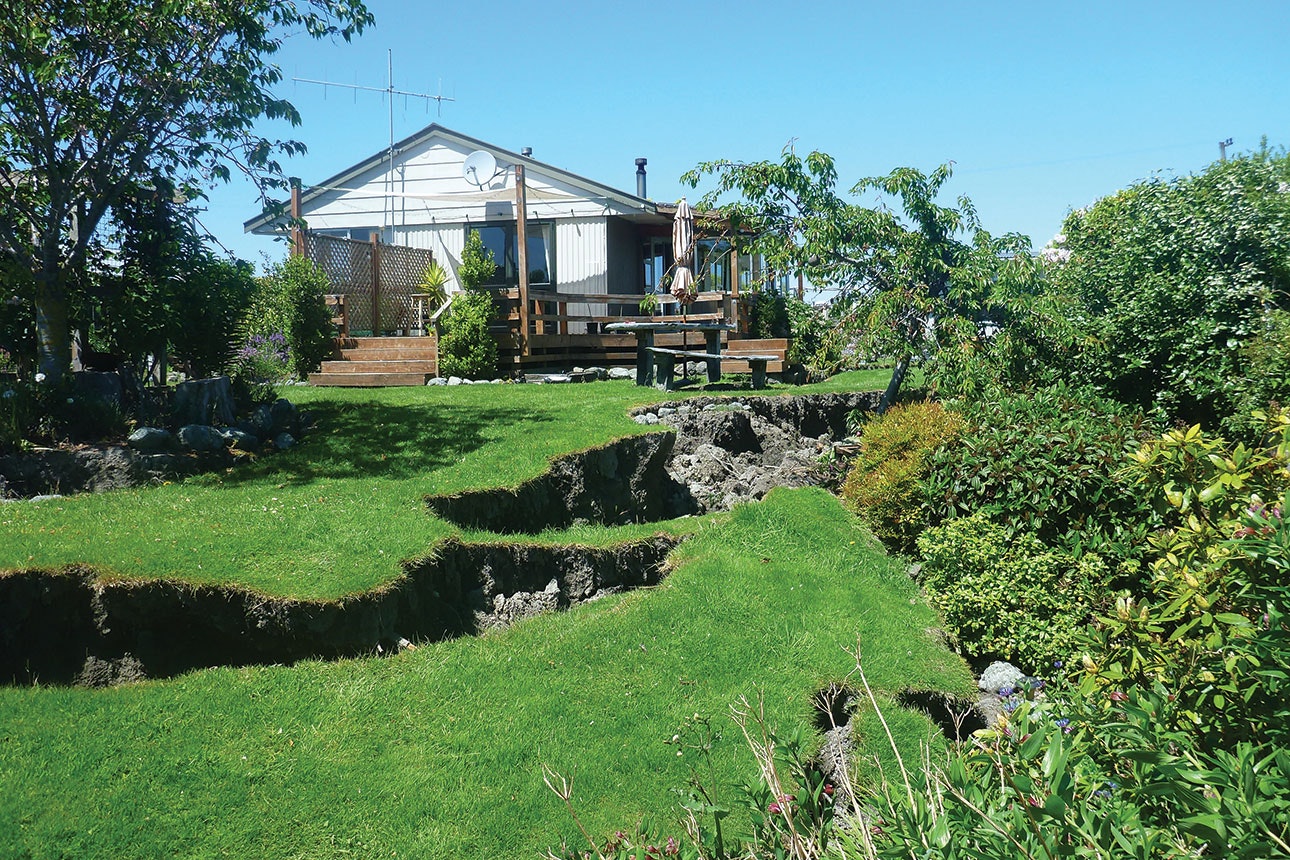
If sea or river views are top of your property wish list, make sure you research common natural hazards for the area. These include things like flooding, landslips, earthquakes, tsunamis and sea-level rises. A climate risk expert told us a house that has been flooded once is likely to be flooded again, and much more frequently.
LIM reports must now contain a separate natural hazards section. Check for previous natural hazards and claims in your area through the Natural Hazards Portal.
If your home is damaged during a natural disaster, the Natural Hazards Commission (NHC) will cover the first $300,000. Then your insurer should cover the rest (up to the policy limits).
The NHC will compensate for damage to your land under and up to 8 metres around your home. However, neither the NHC nor your insurer will stump up the full cost for new structural defences, such as retaining walls.
Insurance companies also regularly reassess the cover they offer. If the risk of environmental damage increases, premiums could increase, exclusions may be added to your policy or your cover may be withdrawn.
Eventually, high-risk properties may become uninsurable and, as a result, unsellable.