Consumer NZ Senior Legal and Policy Advisor Aneleise Gawn takes us through the work she’s done to bring about real wins for consumers.

In my 11 years at Consumer, I’ve churned out over 100 submissions (that is, formal written responses) on a wide range of consultations. The subjects range from button batteries and banking codes of practice to KiwiSaver, insurance and grocery sector reforms. You can read about all of them on our submissions webpage.
Although we don’t receive government funding to represent everyday consumers in consultations on law changes that affect those consumers, we represent them anyway. Because if we didn’t, there might not be anyone else to do it. And that could lead to poor outcomes for consumers.
In some cases, despite our best efforts, our submissions are ‘greeted with crickets’. But in other cases, they help bring about meaningful change for consumers; change we’re immensely proud of.
Looking back on the submissions I’ve prepared over the years, some have been more memorable than others.
1. Do Not Knock
One of my first tasks when I started here in 2014 was to launch our ‘Do Not Knock’ campaign. This was in response to the ongoing complaints we were receiving about exploitative door-to-door salespeople. We aimed to empower people to tell traders they aren’t welcome at their homes.
By 2017, we’d distributed over 500,000 Do Not Knock stickers.
Buoyed by the campaign’s success, we pushed for an amendment to the Fair Trading Act to make it an offence to ignore our stickers.
In August 2022, changes finally came into force: door-to-door sellers who ignore such stickers (or other instructions) could risk fines of up to $30,000.
As a result of our campaign and the law change, we now receive a lot fewer complaints about dodgy door-to-door traders.
2. Unfair contract terms
The rules against unfair contract terms in standard-form contracts came into effect in 2015. An unfair term:
favours the business over the consumer
isn’t necessary to protect the business
would cause harm to the consumer if it were relied on.
For example, your gym membership might include an unfair term that breaches the Fair Trading Act (FTA) if the contract says you can only cancel your membership in person at the gym.
However, under the FTA, a consumer can’t do anything when faced with an unfair term; only the Commerce Commission can take action. This means businesses are continuing to get away with including unfair terms in their contracts.
We've raised this issue with government officials dozens of times over the past 10 years. Then we heard an amendment was in the pipeline that would allow consumers to take action. We were stoked and submitted in favour of the amendment. Unfortunately, the government has backed down on making this change. But we won’t be – so watch this space.
3. Gift card expiry dates
In 2016, we launched a campaign calling for the end of unfair gift card expiry dates.
At the time, we estimated New Zealanders were losing a total of about $10 million each year in unspent gift cards.
Some retailers changed their expiry dates in response to our campaign. However, we continued to receive complaints about businesses imposing 6- or 12-month terms on their gift cards.
After making a lot of noise for many years, a bill was introduced to make gift cards valid for a minimum of 3 years. This is the law in Australia. We’re very pleased the law will finally come into effect in March 2026.
4. Card payment fees
The first time we called for interchange fee regulation was at the start of 2017. Interchange fees are fees paid by a merchant’s bank to a cardholder’s bank for card payment services.
We believe high interchange fees were allowing banks and card schemes to encourage consumers to use high-cost credit and debit cards. They were also increasing costs for merchants and consumers alike.
Interchange fee regulation was finally introduced in November 2022. This placed caps on fees charged between banks for certain card transactions. Interchange fees were reduced again at the beginning of December 2025.
While, in theory, this should result in cheaper prices or lower surcharges for consumers, don’t hold your breath. That’s why we’re supporting a surcharge ban as well. Although not yet confirmed, we’re expecting a ban on in-store surcharges will come into effect in 2026.
5. Retirement villages
Our submission on the review of the Retirement Villages Act was a beast, to say the least. We’ve heard from far too many retirement village residents who, despite mostly enjoying their villages, have been given a raw deal.
Some told us about having to pay for repairs and maintenance on a unit they don’t own.
Some described still being charged weekly fees after leaving a village.
Some recounted having to wait more than a year to get their money back.
A review is long overdue, and there’s so much that needs to change. We’ll continue to push for reforms in the retirement village sector. We want to ensure there are better consumer protections and meaningful change for those living in villages.
6. Insurance
I first started submitting on insurance law consultations in 2018, highlighting issues in the industry and calling for long-overdue consumer protections.
Five submissions and several bills later, we now know the Contracts of Insurance Act will come into effect in November 2027.
The Act will:
lead to clearer and fairer insurance contracts
give better protection for consumers from unfair penalties for honest mistakes
push insurers to act promptly on claims.
It’s about time!
7. Supermarkets
Since 2021, I’ve been involved in 11 supermarket sector submissions calling for a range of fixes, including:
a pricing accuracy code
a mandatory code of conduct
higher penalties
a grocery commissioner
mandatory unit pricing.
I was also involved in the Commerce Commission complaint about Woolworths’ and Foodstuffs’ misleading pricing and our supermarket pricing campaigns.
Although this work has brought about real change in the supermarket sector, it’s still very much a work in progress. It’s now clear that we need more than tinkering around the edges. We need structural change. So, we’ll continue to push for meaningful reforms that will actually help New Zealanders who are struggling to put food on their tables.
If you’d like to support our efforts to change the law to better protect consumers, please consider making a donation.
It's a privilege to go into bat for consumers and incredibly rewarding when we can make a real difference. But there’s always more work to be done and more money needed to do that work. Every cent helps.

We can't do this without your support.
Consumer NZ is independent and not-for-profit. We depend on the generous support of our members and donors to keep us fighting for a better deal for all New Zealanders.
Comments
Was this page helpful?
Related articles
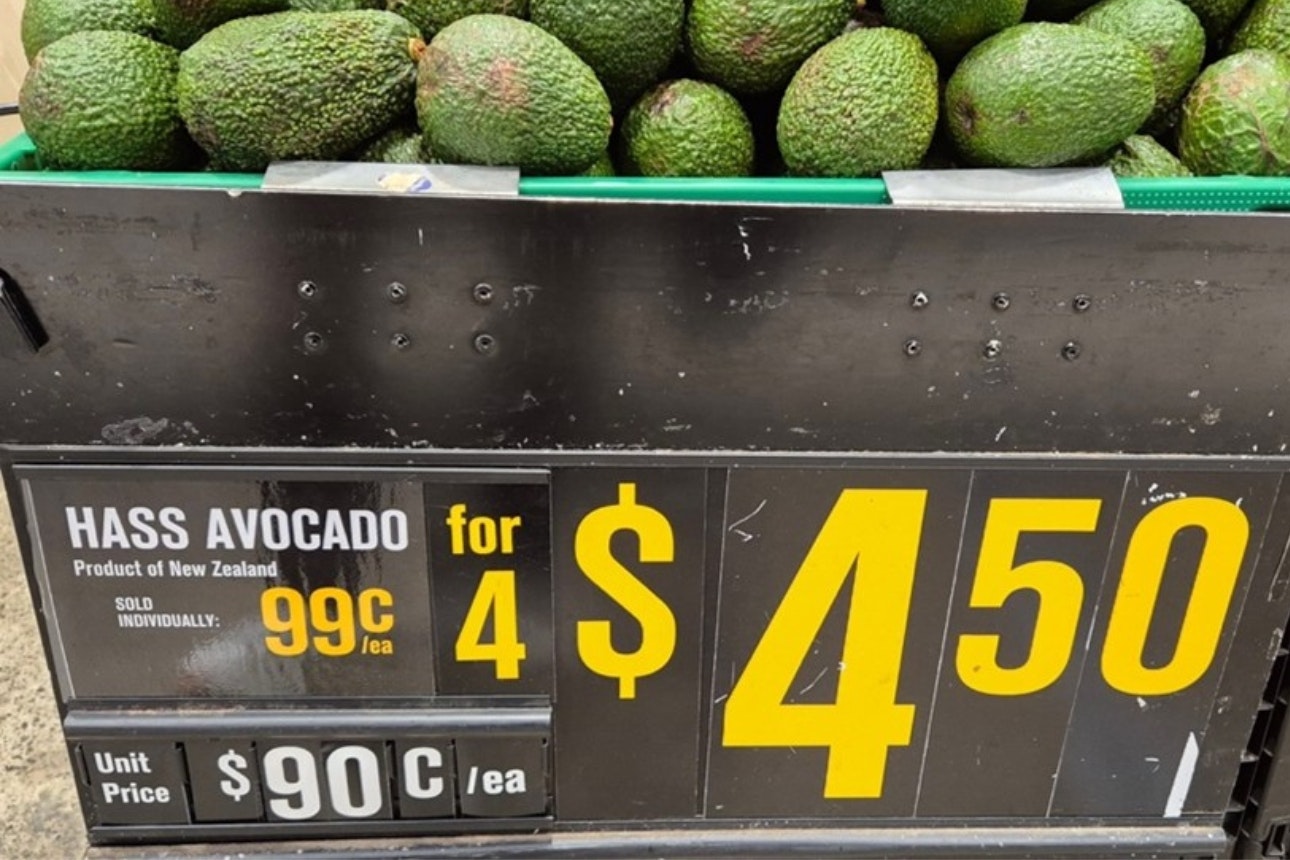
The worst supermarket pricing errors our campaign team have seen
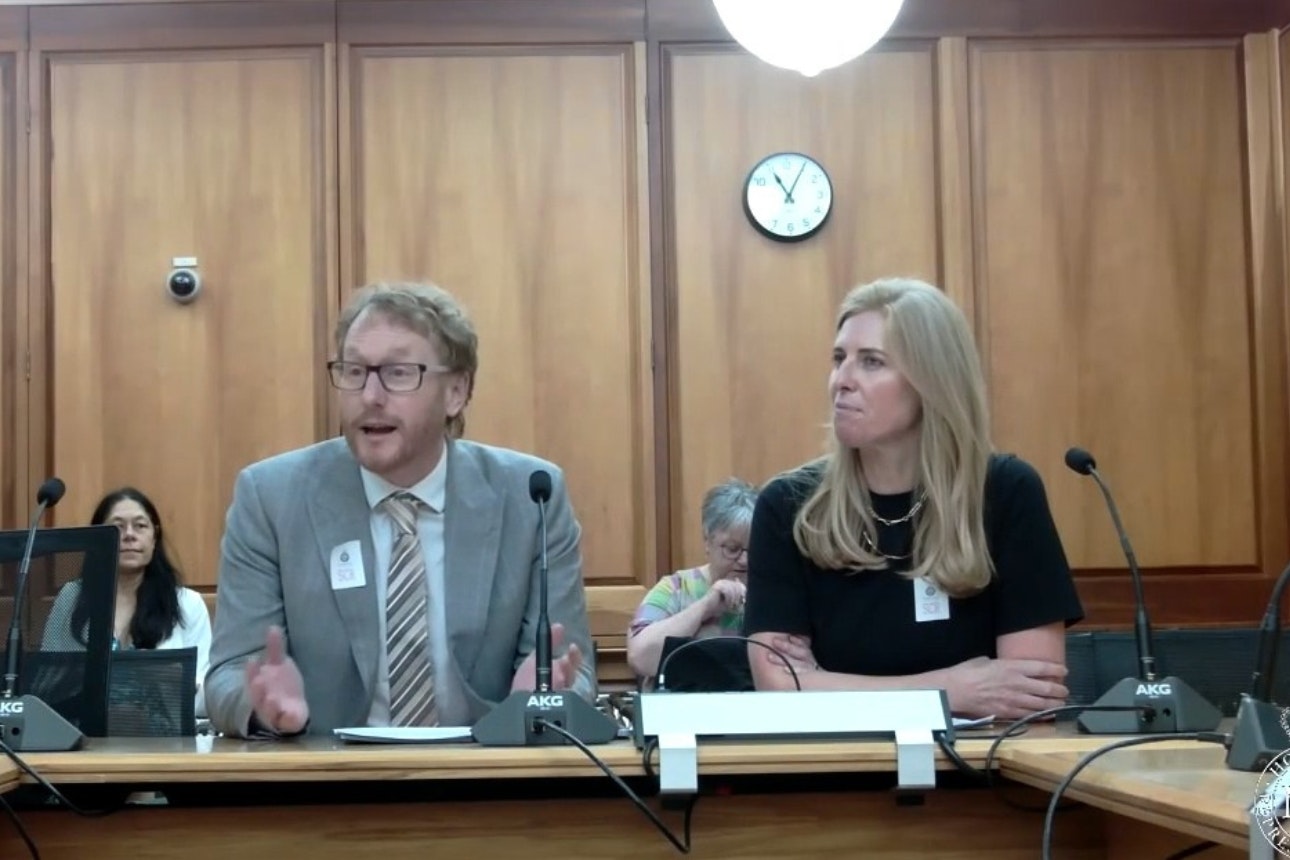
Refuting what some MPs have said about the right to repair bill

Surcharges should be down and out