We picked up a variety of non-alcoholic rosé wines from a range of supermarkets and liquor shops. Then we taste tested each for flavour, similarity to alcoholic wine and whether our tasters would buy it themselves.

With its glowing pink hue and refreshing taste, rosé is a popular variety of wine that can suit all occasions, especially during summer months. This year, there are whole shelves dedicated to non-alcoholic varieties, but how do you know which to choose?
A panel of 8 staff at Consumer NZ have done the hard work, taste testing 7 varieties of alcohol-free rosé.
Prefer a sparkling wine? Find out the best and worst non-alcoholic bubbly wines.
Results
Best-tasting rosé
Selaks Zero Rosé, 6.1/10, $14.99
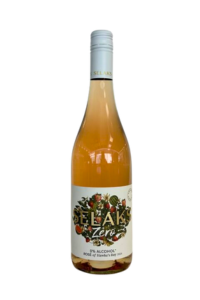
Our tasters’ number 1 non-alcoholic rosé was Selaks Zero Rosé. According to the tasters, it had the best taste, with notes of mandarin and berry. It tied with Plus & Minus Zero Alcohol Rosé for the tastiest wine. However, it edged ahead of the competition with its uncanny resemblance to a traditional rosé. It’s a New Zealand wine, and for the price, it makes a decent addition to your Christmas day table or New Year’s party.
Tasters’ comments
“Wow! Mandarins? That’s got a bit of a bite.”
“How did they do it? Magical.”
“Quite impressed that it smells like wine.”
Worst-tasting rosé
Edenvale Rosé Alcohol Removed, 4.1/10, $11.99
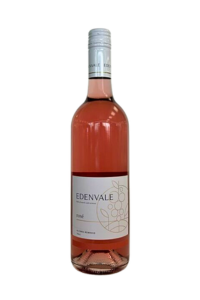
Edenvale Rosé Alcohol Removed was at the bottom of the pack, according to our tasters. From the outset, tasters eyed this wine with suspicion: it had a deeper, mauve-y colour compared with the rest of the group. Unfortunately, most didn’t appreciate this glass. They described it as watery and juice-like. But, as is typical for such a large panel, there were a few rogue tasters who quite liked it.
Tasters’ comments
“If I were to buy a non-alcoholic wine, this would be a good choice.”
“Watery.”
“Hate it. It’s like cranberry juice, but the ice has melted.”
Second-best rosé
Plus & Minus Zero Alcohol Rosé, 5.6/10, $15.99
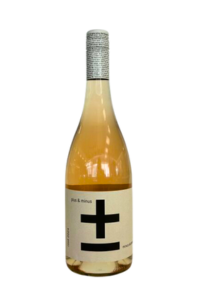
In second place, our tasters thought Plus & Minus Zero Alcohol Rosé was “all good”. Described as having good balance, a juicy sweetness and notes of apple, many of our tasters thought this was the tastiest rosé (alongside Selaks). But it also proved divisive and was accused of having no flavour, perhaps influencing its slightly lower score for similarity to an alcoholic rosé.
Tasters’ comments
“Bland.”
“Juicy! It reminds me of Fresh Up crisp apple, in a good way.”
“Nice balance, good colour. Quite appley.”
Third-best rosé
Giesen 0% New Zealand Rosé, 4.8/10, $14.00
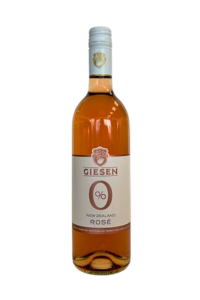
Giesen 0% New Zealand Rosé’s inoffensive taste helped it land third place. Most tasters thought it was a bit bland but not bad. “Meh” was probably the most apt adjective for this rosé, which was middle of the road on both taste and similarity metrics. Despite this, just two tasters said they would buy it.
Tasters’ comments
“It’s not bad; like, I don’t hate it.”
“Complex.”
“Meh! It’s fine but quite watery.”
Fourth best
McGuigan Zero Rosé Alcohol Free, 4.4/10, $13.99
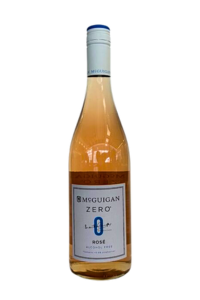
McGuigan Zero Rosé Alcohol Free came in fourth place. From “flat-tasting” and “made my tummy feel weird” to “it had good depth and a decent flavour”, tasters struggled to reach a consensus about this wine. It would seem the jury’s still out on this one.
Tasters’ comments
“At first, wasn’t a fan. The more I drank, the better it got.”
“Slightly sweet but lacking flavour.”
“The flavour isn’t really my vibe, but it’s a convincing replica of an alcoholic version.”
Fifth equal
Ara Zero Rosé, 4.3/10, $15.99
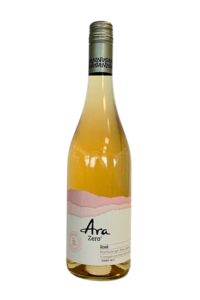
In fifth place, alongside Wolf Blass Zero Rosé, sat Ara Zero Rosé. It’s a common theme in this taste test: the tasters were divided about whether this was good or actually the worst. In the end, Ara Zero Rosé came closer to worse than it did best.
Tasters’ comments
“Juicy and fresh! Good colour; very springtime!”
“Pretty awful.”
“Slight grapefruit flavour ... very dry.”
Wolf Blass Zero Rosé, 4.3/10, $15.99
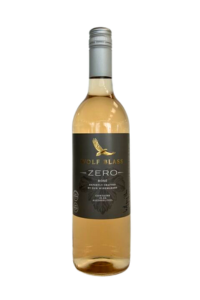
Neck and neck with Ara Zero Rosé came Wolf Blass Zero Rosé. It was simultaneously “less offensive than others” and “delightful” while also being “watery” and lacking in flavour. The latter two were the main criticisms, with 6 out of 8 tasters specifically noting it was either watery or had little flavour. If you’re after something reasonably plain, this one could be for you.
Tasters’ comments
“It’d be quite refreshing on a hot day, I guess.”
“Might as well be water. No taste, just dry.”
“It’s alright, but not that much flavour.”
Is non-alcoholic better?
The non-alcoholic beverage market is valued at around NZD2.4 trillion as of 2025, but are non-alcoholic drinks any better for you?
Alcohol Healthwatch is a Ministry of Health-funded organisation dedicated to reducing and preventing alcohol-related harm and inequities in Aotearoa.
It acknowledges there is some evidence suggesting no- and low-alcohol beverages (known as NoLos) may be effective at helping individuals reduce their alcohol consumption. However, it also says NoLos aren’t necessarily better for you, and the marketing of these drinks is problematic.
“The branding, consumption, availability and advertising of NoLo products remains under researched and inconsistently regulated … These products are often labelled with content claims including ‘low sugar’, ‘organic’, ‘gluten-free’ and ‘better for you’, resulting in the perception that low-alcohol products contain fewer calories and carbohydrates or are generally ‘healthier’ than standard alcohol products,” it said.
The organisation says social media plays a big role in the problematic marketing of NoLos.
“Global digital marketing of NoLos is likely to undermine their potential public health benefits by encouraging widespread pro-drinking attitudes, portraying drinking as acceptable and ultimately glamorising and normalising alcohol consumption among younger audiences.”
The World Health Organization has also expressed concerns about NoLos. It has stated that the drinks “normalise a culture of alcohol consumption and blur potential conflict of interest in developing public health policies”.
Alcohol and nutritional content
In New Zealand, there are rules about what companies can label as a non-alcoholic beverage and what information labels must include.
If a beverage contains less than 0.5% alcohol by volume (ABV), it can be labelled as non-alcoholic. However, the range of terms used to refer to these drinks can be confusing. “Non-alcoholic”, “alcohol free”, “zero” and “0%” were all terms used to describe the different brands’ wines in our tasting.
All beverages containing 0.5% or more ABV must include information about their alcohol content on their label. Anything below 0.5% ABV doesn’t have to, so don’t expect to find this information on every non-alcoholic beverage you try.
On the flip side, alcoholic beverages aren’t required to include a nutrition information panel on product labels. But non-alcoholic beverages with less than 0.5% ABV are. All but one rosé (Selaks Zero Rosé) in our tasting included a nutrition information panel.
Comments
Was this page helpful?
Compare sunscreens
The 3 best grocery price comparison tools in New Zealand

Can you save money on your car insurance? Yes – here’s how