By Vanessa Pratley
Former Investigative Journalist | Kaipūrongo Whakatewhatewha
We picked up a variety of non-alcoholic sparkling wines from supermarkets and liquor shops, and taste tested them for flavour, how similar they were to alcoholic bubbly and whether tasters would buy the wines themselves.
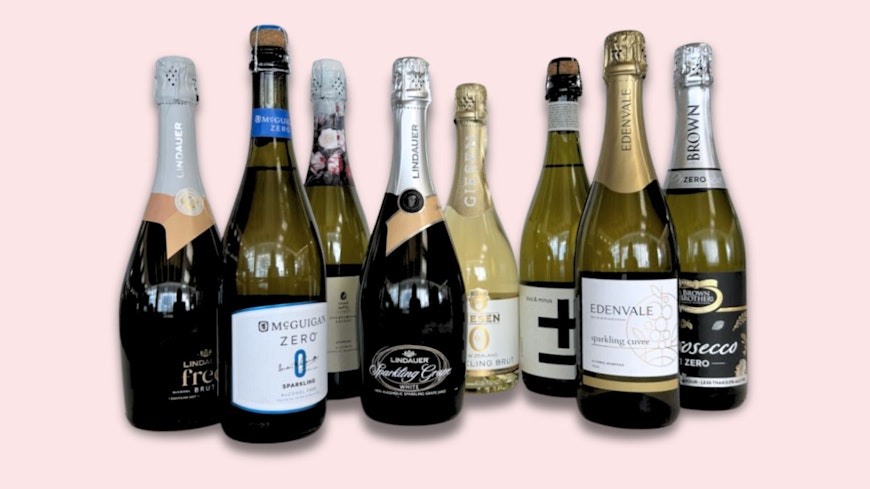
Sparkling wine and the holiday season go together like salt and pepper. This year, the supermarket shelves are packed with non-alcoholic bubbly options for your Christmas lunch or New Year’s party. But which one should you choose?
We taste eight popular options, so you don’t have to.
We purchased our wines from stores in Wellington, so the price might not reflect what you would pay at your local supermarket.
Results
Best tasting non-alcoholic bubbly
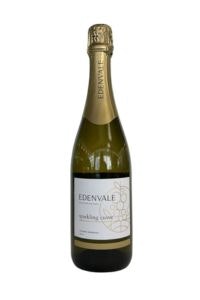
Edenvale Sparkling Cuvee, 7.8/10, $11.99
Edenvale’s Sparkling Cuvee was delicious according to our taste testers, taking out top spot for the best non-alcoholic bubbly. Out of all the eight bottles we tested, our tasters thought this one was not only the most delectable, but also the most like alcoholic bubbly. With adjectives like ‘impressive’ and ‘tangy’ being thrown around, this wine could be your go-to on Christmas day.
Tasters’ comments
“I can handle this jandal.”
“Really impressive, actually.”
“Tangy, bubbly, a nice taste.”
Worst tasting non-alcoholic bubbly
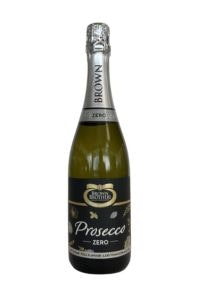
Brown Brothers Prosecco Zero, 4.7/10, $16.99
The worst bubbly according to our tasters was Brown Brothers Prosecco Zero. With a flat watered-down flavour, this bubbly was far from sparkling. Most of us would say avoid this bottle, however, there was one taster who quite liked it, naming it their pick of the pack. If you like taking risks, this one could be for you.
Tasters’ comments
“Oh, dear god.”
“Watered-down.”
“My favourite of the bunch.”
Second
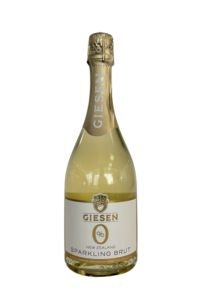
Giesen 0% Sparkling Brut, 6/10, $19.00
Coming in second, our tasters thought Giesen 0% was a good non-alcoholic alternative to sparkling wine. It had a solid taste score, which gave it an edge against other competitors to take out the runner-up spot. It had the third highest similarity score, so if you’re after a familiar flavour, this might do the trick.
Tasters’ comments
“The mouthfeel is right.”
“Zesty and sweet.”
“Very weird taste, overwhelmed the senses.”
Third
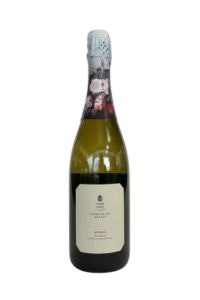
Tread Softly Everything Except Prosecco Alcohol Gently Removed, 5.9/10, $16.49
In third place, our taste testers generally enjoyed Tread Softly’s non-alcoholic prosecco. This bottle got a thumbs-up for packaging with its pretty floral label, as well as its ‘excellent bubbliness’, but lost points for its sour aftertaste. When it came to similarity to alcoholic bubbly, this wine fell middle of the pack.
Tasters’ comments
“Very sour.”
“It tastes just like a wine, but not a variety of wine I like very much.”
“Good complexity of flavour.”
Fourth
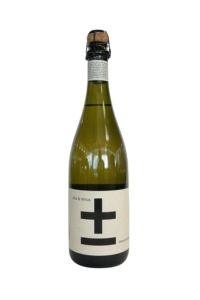
Plus & Minus Prosecco Minus Alcohol, 5.8/10, $15.99
Plus & Minus Prosecco was a bit of a mixed bag when it came to our taste test. Our tasters thought this bubbly was quite similar in taste to an alcoholic sparkling wine, with the second highest similarity score. However, it disappointed some when it came to taste, coming in near the bottom of the pack on this metric.
Tasters’ comments
“A really fermented taste to it.”
“Starts well, but aftertaste is weird.”
“Medium sweetness, notes of bubblegum.”
Fifth
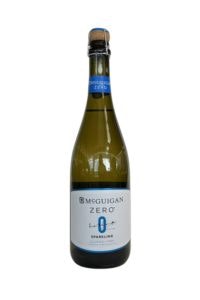
McGuigan Zero Sparkling Alcohol Free, 5.1/10, $13.99
Landing around the middle of the pack, McGuigan Zero was divisive, impressing some tasters, but disappointing others. For some, it was fresh, sweet and tangy. For others, it was a bit watery and had a sickly smell.
Tasters’ comments
“It’s delicious grape juice, but I wouldn’t call it wine.”
“A little too sweet for my liking.”
“Kinda winey.”
Sixth
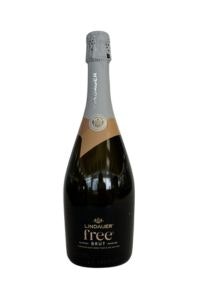
Lindauer Free Brut Alcohol Removed, 5/10, $19.99
Coming in at sixth place, Lindauer Free Brut didn’t quite meet the mark with most of our tasters. It performed poorly on both taste and similarity metrics, and tasters described it as too sour and a bit like apple cider. Despite this, three tasters said they would buy it again.
Tasters’ comments
“Eugh.”
“Like a cheap wine without the bite of alcohol.”
“Nice flavour, sharp.”
Another dishonourable mention
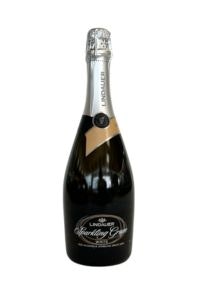
Lindauer Sparkling Grape, 4.7/10, $12.19
We included Lindauer Sparkling Grape juice in our test to see if our tasters noticed that it wasn’t a non-alcoholic wine. Predictably, they thought it was the least similar of the tested drinks to an alcoholic wine. Some tasters thought it was ginger ale, with others calling it apple juice. It tied with Brown Brothers Prosecco for its overall score but rated higher on taste.
Sparking grape juice is a classic alternative to bubbly on Christmas Day, but if you’re after something cheaper and tastier, our tasters reckon Edenvale is the way to go.
Tasters’ comments
“Tastes like ginger ale.”
“Super sweet and is definitely missing something.”
“Ew.”
How to keep sparkling wine bubbly
If you haven’t quite finished a bottle and want to keep it for the next day, it can be hard to keep sparkling wine bubbly. To avoid a flat wine, try these tips.
Cover it. Try covering the opening of the bottle with tinfoil or clingfilm. It helps keep the carbon dioxide – that’s the stuff that makes bubbly bubbly – inside the bottle.
Use a stopper. A reusable stopper can help keep your sparkling wine from going flat. A stopper will function just like a tinfoil cover, with the benefit of an air-tight seal. The only downside is you’ll have to buy one in advance.
Don’t bother with a teaspoon. Leaving a teaspoon in the opening is a popular hack to keep sparkling wine bubbly, but it’s best not to rely on this one. The carbon dioxide can easily escape, leaving you with flat wine.
Is non-alcoholic better?
The non-alcoholic beverage market is valued at around NZD $2.4 trillion as of 2025, but are non-alcoholic drinks any better for you?
Alcohol Healthwatch is a Ministry of Health-funded organisation dedicated to reducing and preventing alcohol-related harm and inequities in Aotearoa. It says that while some evidence suggests no and low-alcohol beverages (known as NoLos) may be effective at helping individuals reduce alcohol consumption, they aren’t necessarily ‘better’ for you, and the marketing of these drinks is problematic.
“The branding, consumption, availability, and advertising of NoLo products remains under researched and inconsistently regulated … These products are often labelled with content claims including ‘low sugar’, ‘organic’, ‘gluten-free’ and ‘better for you’, resulting in the perception that low-alcohol products contain fewer calories and carbohydrates, or are generally ‘healthier’ than standard alcohol products,” Alcohol Healthwatch said.
The organisation says social media plays a big role in the problematic marketing of NoLos.
“Global digital marketing of NoLos is likely to undermine their potential public health benefits by encouraging widespread pro-drinking attitudes, portraying drinking as acceptable, and ultimately glamorising and normalising alcohol consumption among younger audiences.”
The World Health Organisation has also expressed concerns about NoLos, stating that the drinks “normalise a culture of alcohol consumption and blur potential conflict of interest in developing public health policies”.
Alcohol and nutritional content
In New Zealand, there are rules about what companies can label as a non-alcoholic beverage and what information labels must include.
If a beverage contains less than 0.5% alcohol by volume (ABV), it can be labelled as non-alcoholic, but the range of terms used to refer to these drinks can be confusing. Non-alcoholic, alcohol-free, zero and 0.0% were all used to describe the wines in our tasting.
All beverages containing 0.5% or more ABV must include information about their alcohol content on the label. Anything below 0.5% ABV doesn’t have to, so don’t expect to find this information on every non-alcoholic beverage you try.
On the flip side, alcoholic beverages aren’t required to include a nutrition information panel on product labels, but non-alcoholic beverages with less than 0.5% ABV are. All but one sparkling wine in our tasting included a nutrition information panel.