By Chris Schulz
Former Investigative Journalist | Kaipūrongo Whakatewhatewha
Buying a house? Or selling one? One building inspection may not be like another. Consumer NZ looks at an industry some say is in desperate need of regulation.
When Sarah’s* parents decided to move into a retirement village, it fell on Sarah to help sell their home. She'd sold a few houses before so was familiar with the process and felt comfortable helping out. She dived in, helping clean the house, get the photos taken, choose a real estate agent and negotiate a sales strategy.
As part of the agreement with the real estate agent, Sarah organised a building inspection. She found a certified building surveyor online and booked an inspection. The inspection took more than three hours, and the report that came back highlighted some minor repairs. "There were just a couple of wee maintenance things," says Sarah. "A switch in the ensuite bathroom wasn't working; there was a tiny crack in the exterior."
She quickly got onto the repairs, and the house was ready to go on the market. "My parents were nervous no one would bid at an auction, so we put a price on it," she explains. “We began receiving offers .”
Soon, Sarah’s parents had an offer they were happy with. There was just one condition on the sale: the buyers wanted to get their own building report done. This is a normal condition, even recommended , for anyone thinking about buying a home. Experts say it provides a safety net for what can be the biggest purchase many people make. Sarah welcomed it because she felt optimistic after her own report had come up almost spotless. "There were no red flags," she says. "I was so confident about the property’s condition."
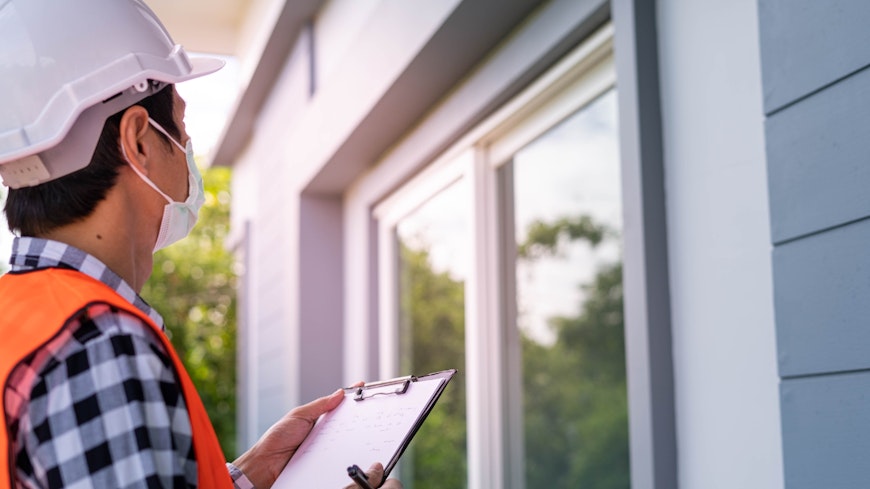
So, the would-be buyers sent their chosen inspector to the property. That inspector, who the real estate agent called “a friend” of the buyers, spent just half an hour inspecting the home. They took six photos. Then they left.
Four hours later, Sarah received a call from the agent. Based on that report, the sale had fallen through. “They collapsed the sale based on the contents of that building report,” she says.
Sarah requested a copy of the second building report through her lawyers. By law, her parents now needed to disclose any issues to future buyers. Sarah says it took a week to get hold of the report. When it arrived, it was just five paragraphs long and suggested there were major issues with her parents’ home. It mentioned the possibility of needing a “full re-clad,” and roof replacement and suggested there could be “high/elevated moisture readings” in interior parts of the building.
It was unlike any building report Sarah had seen before, and she was shocked. "There were all these really terrifying comments,” she says. “It was everything as a buyer or seller you do not want to hear about your property.”
Not only had the sale fallen through, but that short building report had the potential to scare off future buyers. “Real estate agents are required by law to disclose the reasons behind any sale previously collapsing,” says Sarah. “Even if a sale collapses unfairly or not for genuine reasons, they still have to declare it.”
Sarah wondered if her parents might no longer be able to move into a retirement home and worried how the stress might affect them. Her parents’ property now felt tainted. “Even if you get four more reports done, it’s psychology; it doesn’t matter; it’s like it’s damaged goods, even though it wasn’t damaged in the first place,” she says.
Thanks to her quick-acting real estate agent, the house finally sold, and Sarah’s parents happily moved into their new home. Looking back, Sarah has a theory: she believes the buyers wanted to back out of the sale and used that scant building report to do so, totally disregarding the impact it would have on Sarah’s family being able to sell their house. "One hundred percent they just had cold feet," she says.
Make sure it’s legit
If you’re going to buy a house, a building inspection should be near the top of your list of ‘must-haves’, says Belinda Moffat, chief executive of the Real Estate Authority, the independent government agency regulating New Zealand’s real estate industry. “Our advice to all consumers is to get one from an accredited, qualified person. [A house] is often the biggest transaction, the biggest investment, you’ll ever make.”
But that inspection can cost a lot of money itself, with quotes ranging from $500 for an assessment of a basic three-bedroom home to over $1,000 if the house is large or two storey, or needs specialist checks, like moisture testing. Even so, Moffat says any house buyer should budget for a building inspection, even if one is provided by the seller. “That investment is definitely worth it, helping you identify risks and issues that could be a lot more costly if you bought the house without being aware of them,” she says.
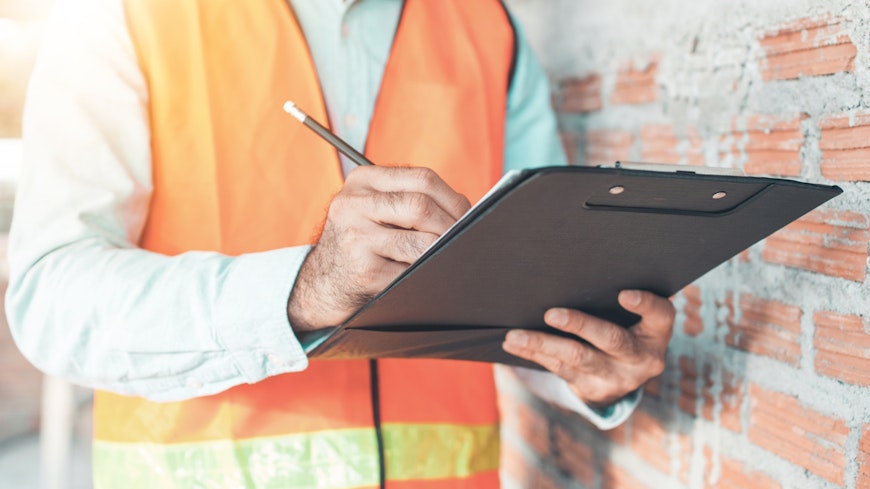
But there is a challenge with Moffat’s suggestion: not all building inspectors are equal; there are no regulations governing the industry. Anyone can carry out a building inspection and write up a report – even if they’ve never held a hammer, screwed in some plasterboard or painted a bedroom in their lives. “They’re not regulated like real estate professionals,” says Moffat. And, unfortunately, that lack of regulation means the industry still has what one industry expert calls “cowboys”.
So, that begs the question: if anyone can do a building inspection and there is no regulation, how do you know you’ve found a legitimate inspector? Moffat has an answer for that. There are three building institutes in Aotearoa whose members are required to go through accreditation processes and meet certain standards. “They are accredited, they have professional indemnity insurance and, when they undertake an inspection, they have to make sure it meets the New Zealand property inspection standards,” she says.
When the cowboys came to town
Just because someone’s a builder, that doesn’t mean they can carry out a decent and compliant building inspection to New Zealand standards, says Nick Hill, the chief executive of the Building Officials Institute of New Zealand, or BOINZ. “There’s no doubt we’re continuing to see builders look at property inspection work as an extension, to grow their business and create wealth,” he says. “I deem them as cowboys practising in a market where they have no skill or expertise.”
That trend started in the 2010s when the building industry wasn’t as buoyant, says Hill. He believes some builders saw building inspections for home buyers as a way of extending their income. "Builders were coming into this, and they were producing very poor-quality reports," he says. "We were seeing people coming along, calling themselves ‘building surveyors’ or more colloquially ‘building inspectors’, and they were tarnishing the reputation of qualified people."
Hill firmly believes house surveying and inspection is a specialist area that should be left to the experts. At BOINZ, he says each member is put through an extensive accreditation process, including exams, police checks and insurance cover. "Then we ask them to undertake a number of successful building and pre-purchase reports, audited by our people, before we grant them Accreditation status. There is no rubber stamping with our accreditation process.”
This, he says, is necessary because building inspections is an "incredibly risky" field. “Those buying a house need to know if there are issues with their investment,” he says. “They don't need shoddy inspections, they don't need failures of identification and they certainly don't need the extra costs that come with a purchase when either there's a failure of identification or avoidance of disclosure of the issues.”
He warns those booking an inspection to check who they’re booking. “Do they have the right insurance cover? Are they qualified through an accreditation scheme such as BOINZ?” He warns some inspectors say they belong to American-style schemes that are not applicable for the New Zealand market. “Those are the questions that people should be asking when they have someone indicating that they can do the job.”
In regards to Sarah’s case, Hill says it should never have been allowed to happen. “If the market had been regulated, the individual concerned wouldn't be in that position,” he says.
Closing the door on Sarah’s house
The same day as the first offer on her parents’ home fell through, Sarah says her real estate agent had another on the table. The new buyers were showed the first building report, and the situation was explained to them. They brought in their own inspector to assess the property, who found none of the issues stacked up. “They found nothing. [The report] literally said … ‘I cannot understand what this is about’,” Sarah says.
Sarah was so fired up by the experience that she’s started campaigning for change, trying to warn anyone who’ll listen, so that the thing that happened to her and her parents doesn’t happen to anyone else. “We all trust these guys. We see them as professionals. We make an assumption that they are qualified and that they're doing these things legitimately, and we need to communicate that [sometimes they’re not],” she says. “These building inspectors can do whatever the hell they like.”

Ultimately, Sarah believes, like Hill, that more regulation is required to ensure all building inspectors stick to the standards currently adhered to by the three accreditation bodies. “Is there any reason we can’t have a standard template for a seller that says if the purchaser would like to have a building report done, we require the inspector to be registered to a particular organisation?”
There is, she says, too much at stake for the status quo to remain. “There's too much vulnerability here, and there's too much money involved, and it's your biggest asset,” she says. “It's everything you’ve worked for. It shouldn't be that easy to be screwed over.”
Choosing a reputable building inspector
The Real Estate Authority recommends choosing an inspector from one of three organisations that have checks in place for members and offer protections for consumers should anything go wrong. These are:
*Not her real name.
Need our help?
If something’s gone wrong with a product or service, our Consumer Rights Advice Line experts can help you get a fair deal.
Get personal, practical advice you can trust – included when you join from $15 a month.