By Gemma Rasmussen
Head of Research and Advocacy | Tumuaki Rangahau, Taunakitanga
You may have seen the recent announcement that the Government is going ahead with establishing a liquified natural gas (LNG) terminal in New Zealand.
Supporters say it could stabilise electricity prices, while critics – including us – think it could lock households into paying more for years.
In short, here are 4 reasons we think it’s a bad idea.
1. Imported LNG is one of the most expensive fuels you can use to make electricity – about twice as much as new renewables.
2. Households would be hit with a new levy to help pay for the terminal. That could add $15 to $30 a year to the average power bill.
3. The Government says LNG could help mitigate the risk of power prices jumping up and down based on the weather. But a report commissioned by the Government last year says differently. It says LNG should be a last resort and makes no economic sense – especially when there are cheaper options available.
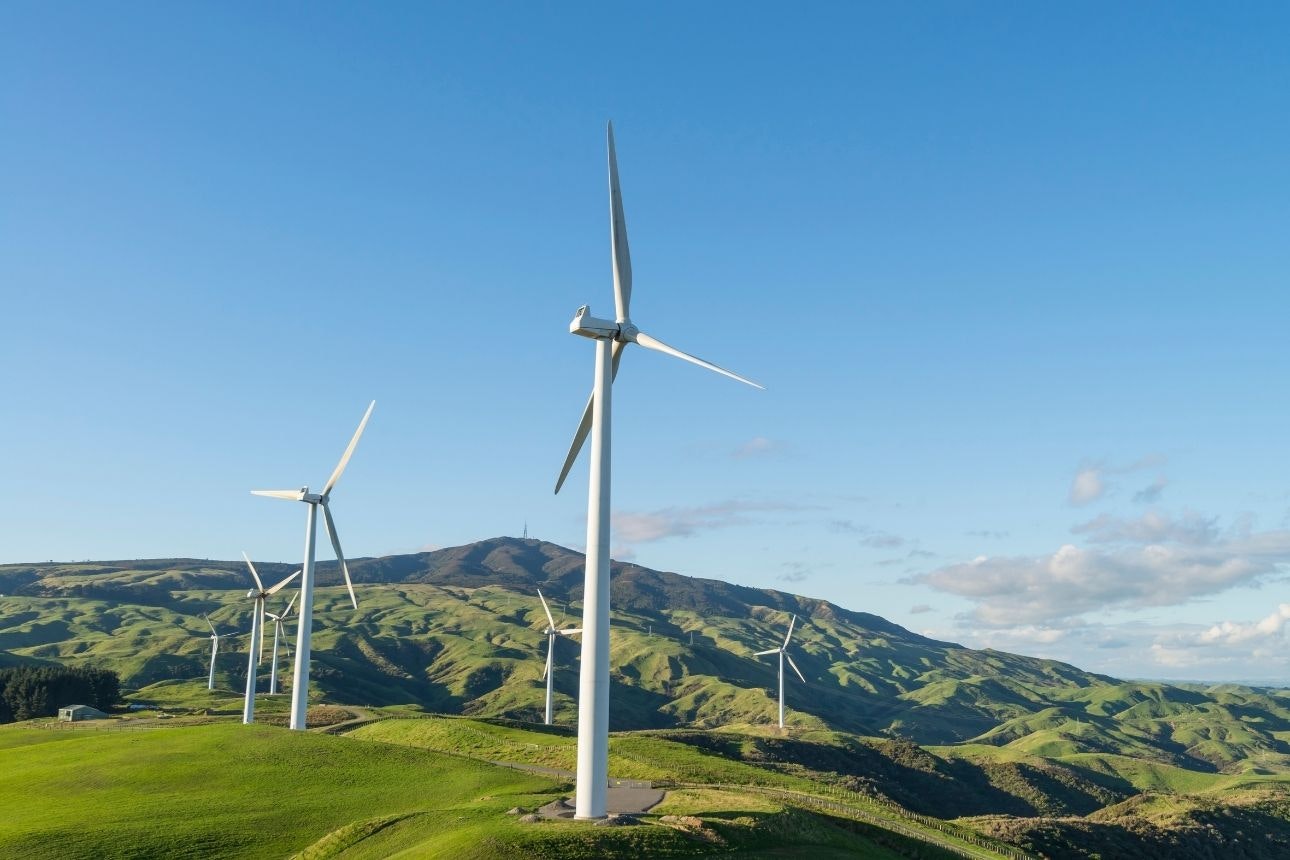
4. There are cheaper, cleaner options right here in New Zealand. We have plenty of wind, hydro, geothermal and solar. Investing in home-grown, lower-cost renewables supports lower power bills and greater energy security.
What is LNG?
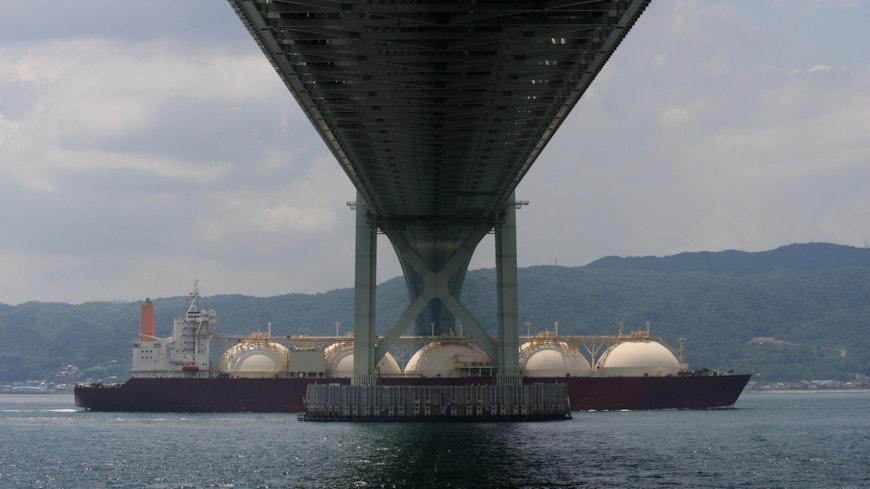
Liquefied natural gas (LNG) is a mix of hydrocarbons that have been cooled into liquid form to be shipped around the world. Once LNG reaches its destination, it is turned back into gas and used to generate electricity when supply is tight.
New Zealand already gets around 85–90% of its electricity from renewable sources, mainly hydro and wind. This is generally cheaper and better for the environment, but it depends on the weather. In dry years, when hydro lake levels are low, electricity supply tightens, and prices can spike.
Dry years are relatively rare, but the risk they introduce is built into electricity prices even when conditions are normal. The Government believes having LNG available as a backup could reduce that risk and help steady prices.
There’s a catch though, LNG is one of the most expensive fuels available. Imported LNG-fired electricity is estimated to cost roughly twice as much as new renewable generation, and the gas needs to be bought from overseas when supply is tight.
What we think LNG will mean for power bills
A key question is who will pay for this billion-dollar infrastructure? Unfortunately, New Zealand consumers will bear the brunt of the costs, paying a new levy on every power bill to fund it, costing the average house an estimated extra $15 to $30 per year. That comes as electricity bills have risen about 12% over the last year. In short, households could end up paying more for decades for an overpriced insurance policy that might rarely be used.
Consumer thinks households shouldn’t be forced to bankroll fossil fuel infrastructure while energy companies avoid carrying the risk.
A controversial call
The Government says the plan could save consumers “upwards of $265 million per year by reducing electricity price spikes and lowering the risk premium that is currently built into power bills”.
Energy minister Simon Watts says the move will help prevent future winter bill shocks.
Others disagree. The economics consultancy firm Frontier Economics Ltd was commissioned by the Government to review the electricity market’s performance last year. The company’s subsequent report Review of Electricity Market Performance: Final report to ministers and MBIE, (the Frontier Report) recommended a move to LNG be a last resort and declared it made no economic sense.
Opposition Leader Chris Hipkins has labelled it a “gas tax”, telling Radio New Zealand "… they're trying to make the argument that this will decrease the rate of increase in power prices. There are other ways to do that. A billion dollars would buy you a hell of a lot of solar panels and batteries, which would save households a significant amount of money."
Paul Fuge, energy advocate and manager of Consumer’s free and independent power comparison service Powerswitch, agrees the dry year problem needs to be addressed but says smarter, cheaper and cleaner options exist.
“You can’t make cheap electricity from expensive fuel. New Zealand has abundant renewable resources – wind, water, geothermal and solar. Importing a costly fuel risks pushing prices higher while weakening our energy independence.
“Long-suffering electricity consumers have already faced steep price rises and shouldn’t be asked to pay even more. This speaks to the power of the oil and gas lobby, which has managed to sell a donkey as a racehorse.
“Consumer NZ advocates for investing in home-grown and lower-cost, renewable solutions that will empower us to control our energy future. Every dollar spent on wind farms, solar panels, battery storage or energy efficiency at home directly contributes to lower power bills and greater energy security for New Zealand. This decision locks New Zealand into dependence on volatile foreign gas prices, undermining our energy independence and exposing consumers to global price shocks. Ultimately, we see it as a costly move for New Zealand households.”