By Vanessa Pratley
Former Investigative Journalist | Kaipūrongo Whakatewhatewha
I saved every receipt from my weekly Woolworths shops for 4 months and tallied up the savings. Over 21 shops, my Everyday Rewards card saved me less than $9.
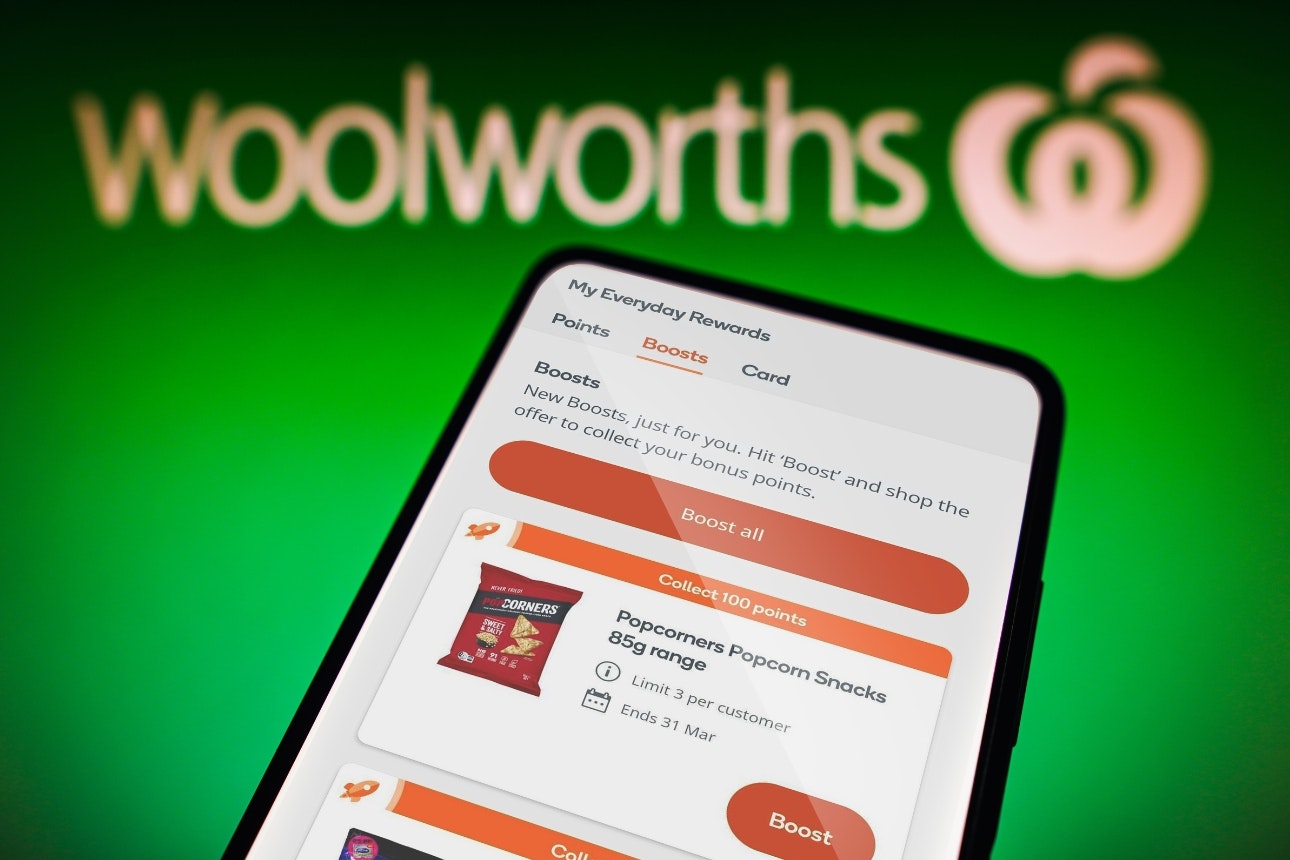
Woolworths says its new loyalty programme, Everyday Rewards, is delivering “plenty of value” to its 1.7 million members. But my latest supermarket receipts tell a very different story.
Here’s a break-down of my savings.
About the data
This data, and my conclusions, are based on my own shopping habits. I shop for one person, occasionally for two, and sometimes more than once a week. I think a supermarket trip is best finished as quickly and efficiently as possible. It’s not really a fun place to be, and, honestly, I dread handing over my debit card at the till.
I don’t really make an effort to shop the specials. Instead, I tend to buy the cheapest products available, without spending too much time fussing over deals or multi-buys. I definitely don’t need five bags of potato chips, right?
I dutifully kept each receipt from every shop I did at my local Woolworths, plus one metro location.
The data begins in February, when OneCard became Everyday Rewards, and concludes at the end of May.
Savings breakdown
Over 21 shops and 4 months, my Everyday Rewards card saved me $8.56.
By comparison, over the same period I saved $66.26 through Woolworths’ normal sales and promotions. These are the specials you don’t need a loyalty card for, so they’re accessible to everyone.
Total savings
Member savings only made up about 12% of my total savings.
Savings overtime
The line graph shows my savings over time.
You can see most of my savings came from promotions – and that was without me taking any notice of the promotions! Member savings had very little impact on my total savings overall. When it came to promotional savings, I also tended to save more the more I spent. I didn’t observe the same trend with member savings, however.
Benefits aside from product savings
A recent Woolworths media release catalogues how members are making the most of its loyalty programme. In the release, value is quantified in terms of points earned and vouchers redeemed, not dollar savings.
Based on my shopping analysis, maybe points and vouchers are the true rewards.
Points and vouchers
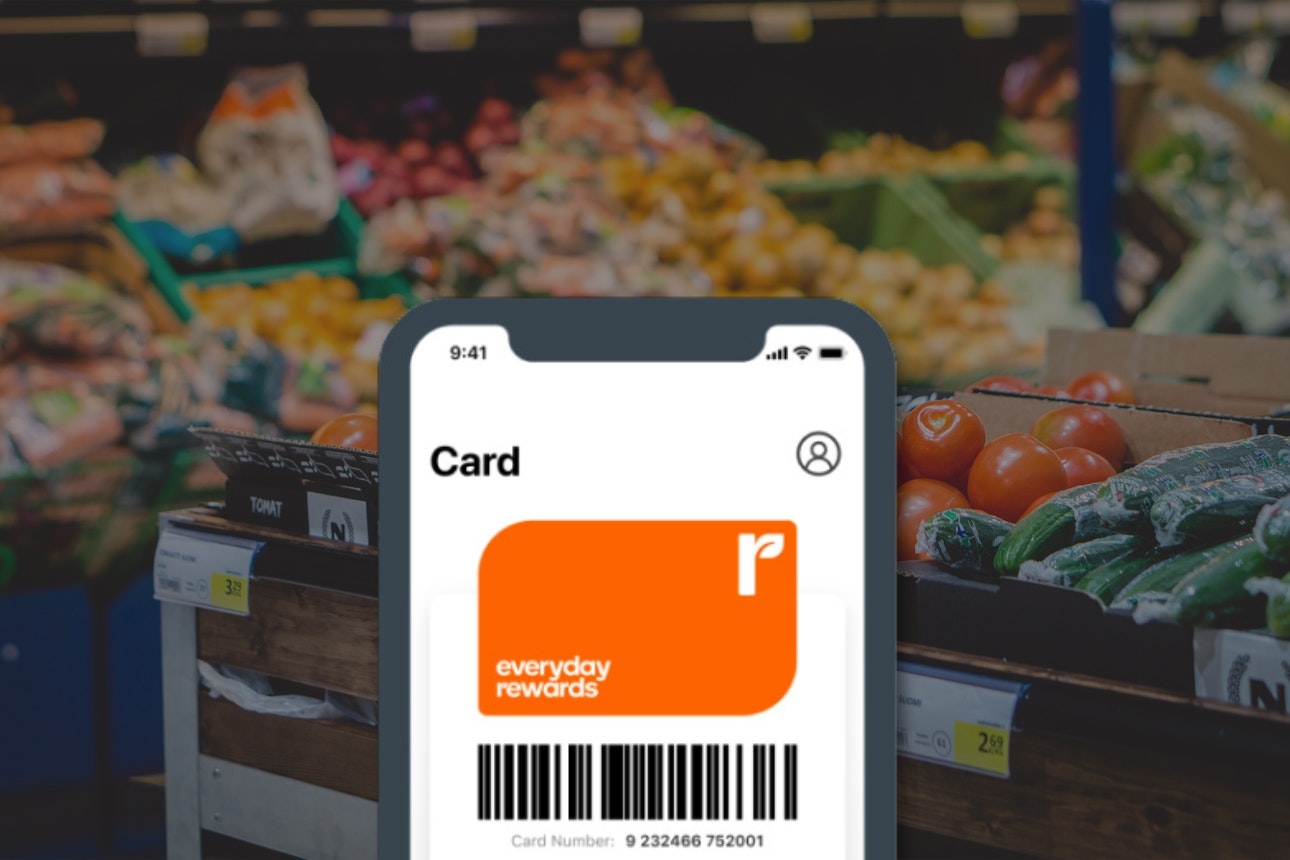
You’ve got to accumulate 2,000 points to get a $15 voucher, redeemable for groceries or at BP fuel stations. A point is earned with every dollar spent, but members can “boost” selected products to earn more points.
A recent Consumer NZ investigation found that boosting is more likely to benefit the supermarket than the shopper. Some suppliers pay Woolworths to have their products boosted, and these products could often be found cheaper at competing stores.
However, if you don’t boost any products, you’ll have to spend $2,000 to get the $15 voucher.
There are other rewards, like fuel vouchers for BP, but I don’t use BP, or the other retailers in the programme. Their value, at least to me, is limited.
The savings aren’t worth trading my data
Everyday Rewards made headlines upon its introduction, and not for entirely positive reasons. It was the trade-off between value and privacy that caught the attention of many. We didn’t think the trade-off was worth it.
The member specials didn’t offer the best value, with our research revealing again and again that customers could find a lower price for items marked with a member discount at a retailer that didn’t use a loyalty system.
The simple act of signing up to a loyalty programme, and swiping the card at every shop, also gives supermarkets access to huge amounts of data. From your name and date of birth to what laundry powder you buy most often, there’s no shopping in privacy with a loyalty card.
But Consumer Sentiment tracker data shows that nearly half of us trust supermarkets. Setting aside privacy concerns, then, does a loyalty card really save you money?
My data points to one conclusion. Because of my lifestyle and the way I shop, my Everyday Rewards card isn’t saving me much. I’m getting around 600% more savings just through Woolworths’ normal specials.
I’ve saved less than $9 in exchange for months’ worth of data about me and my shopping habits. I could’ve saved more than $60 without giving up that data over the same time.
Whether or not Everyday Rewards is worth it, it is worth holding on to your receipts and seeing for yourself just how much money you’re saving. You may find you come to the same conclusion.
Make supermarkets price it right
Find out about our campaign to tell the government we need clear rules, stronger penalties and automatic compensation for shoppers.