By Chris Schulz
Former Investigative Journalist | Kaipūrongo Whakatewhatewha
When Dianne* received a frozen turkey as a gift recently, she immediately thought to herself, “it’s not right”.
Her daughter, who lived overseas, had ordered the turkey as part of a Christmas gift hamper from Howick New World.
When it arrived, Dianne says it seemed misshapen, “elongated ... a funny shape … a bit battered”.
Dianne, a Consumer NZ member, thought something was wrong with the turkey, so the first thing she did was look for a use-by date or best-before sticker.
She couldn’t find one. Instead, a different sticker offered a batch number.
Confused, she called New World and was stunned to hear that her turkey wasn’t required to have any kind of expiry date on it.
What’s going on?
What Dianne discovered
Dianne believed every perishable product stocked in a supermarket should include a use-by date or best-before sticker.
A use-by date is required for health and safety reasons to reduce the risk of people getting sick from food that’s gone bad. Foods with use-by dates can become unsafe before they noticeably spoil, so the food may still appear OK to eat after this date. Food shouldn’t be eaten and can’t be sold after its use-by date.
A best-before date is about food quality. Food can be sold and eaten after it’s best-before date provided it’s been stored properly. However, it may have lost some nutritional value and might not taste as fresh. The food can still be safely eaten and does not need to be thrown out unless it is spoilt.
A 2023 Consumer investigation revealed 77% of shoppers look for use-by and best-before stickers when buying food.
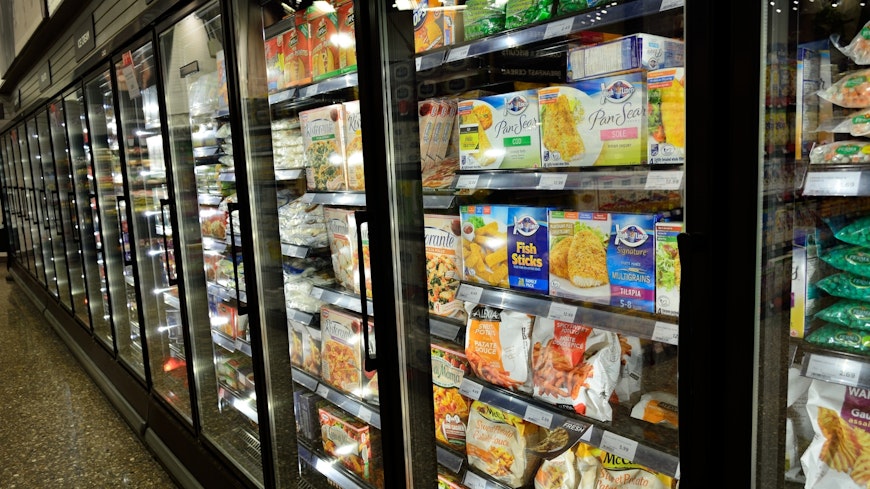
Consumer visited a supermarket to investigate Dianne’s concerns. We found that, while some frozen food items have best-before stickers, others, like Tegel’s frozen turkeys, do not.
Dianne called Tegel with her batch number to find out more. “I wanted to know what the expiry date was,” she said.
She was told her turkey didn’t need a use-by or best-before date because it had a shelf life of more than 2 years. She was also told it had been frozen in October 2024, making it about 1 year old.
Why some frozen goods don’t need use-by or best-before dates
Consumer got in touch with Tegel to discuss the matter further.
We asked how long its turkeys could be safe in a frozen form.
Tegel told us its turkeys could last up to 33 months in the freezer.
“For our frozen turkeys, the 33-month shelf life is set based on internal testing of flavour and texture, ensuring the product maintains its quality for consumers throughout that period,” a spokesperson said.
It told us supermarkets turn over stock regularly, so it would be highly unlikely anyone would end up receiving a turkey close to that age.
A Foodstuffs spokesperson confirmed it hadn’t stockpiled old stock.
“New World Howick has not stored frozen turkeys out of season, or refrozen any fresh turkeys for sale. Any unsold seasonal stock is donated to foodbanks, and not held over for future sale,” a spokesperson said.
To explain the shape of Dianne’s turkey, the spokesperson said: “Misshaped frozen turkeys are also not uncommon, and their appearance can vary depending on how they are processed and frozen.”
What New Zealand Food Safety said
We asked the government department New Zealand Food Safety to clarify the date marking rules.
Deputy director-general of food safety, Vincent Arbuckle, confirmed dates are only required for foods that have a shelf life of 2 years or less.
“Frozen foods generally don’t spoil or become unsafe to eat while frozen,” Arbuckle said.
“The frozen turkey therefore is very likely to have a shelf life of 2 years or more if handled and stored correctly. This would mean no date mark is required.”
How Dianne is changing her shopping habits
Even though her frozen turkey was deemed safe to eat, Dianne requested and received a new one from New World because of its misshapen appearance.
But, after learning about the date marking rules on frozen goods, she said she will no longer be buying frozen turkeys. Instead, she’ll opt for a fresh one next time.
“You have no idea how old it is,” she said. “It should have an expiry date.”
How to safely store and thaw frozen meat
Arbuckle said there is no recommended freezing time for different cuts of meat as freezing affects quality rather than safety.
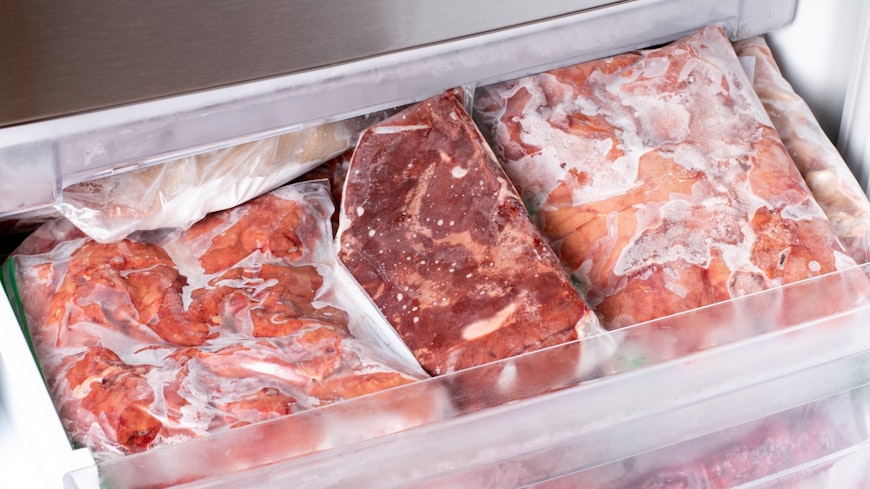
Frozen meat can deteriorate in quality over time. There are factors that affect the speed of deterioration. These include:
the fattiness of the meat
how the meat is packaged
temperature fluctuations in the freezer.
“Provided meat is properly handled and stored before freezing, it will stay safe in the freezer for as long as people practically choose to store it,” Arbuckle said.
Here are some tips for safely handling, storing and thawing frozen meat products.
New Zealand Food Safety advises taking your food straight home after shopping, especially:
raw meat
seafood
chilled and frozen foods.
“Don’t leave groceries in a hot car, car boot or in direct sunlight from windows,” New Zealand Food Safety says. “If you can’t take them straight home or if the weather is hot, pack groceries in a chilly bag or bin with an ice pack. Transfer them to the fridge or freezer as soon as you get home.”
New Zealand Food Safety also cautions: “If meat is past its use-by date, it cannot be safely eaten and should not be frozen.”
Bacteria can survive freezing temperatures. New Zealand Food Safety says meat needs to be thawed in a way that prevents bacterial growth. “The best way to do that is to thaw items completely in a fridge. Alternatively, a microwave on a defrost setting can achieve safe thawing.”
You can only extend the use-by date on food if you freeze the food before the date. Once defrosted, it should be eaten within 24 hours.
For more information, read our story: Use it or lose it? What the date labels on your food mean
* Not her real name.