By Belinda Castles
Researcher | Kairangahau
When the nights get colder and darker, a spa pool or hot tub is the perfect way to take the chill off. But Legionella bacteria love warm water, and a dirty spa pool is their perfect breeding ground.
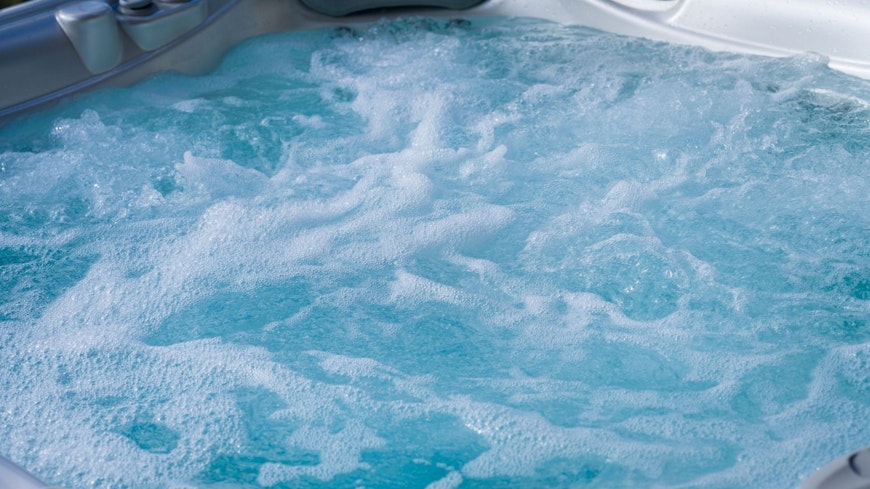
Follow our advice to help keep your spa pool clean.
In the past 5 years, there have been 62 cases of Legionnaires’ disease reported in New Zealand that involved people who had been exposed to spa pool water.
You can catch Legionnaires’ disease by inhaling airborne droplets of infected water. Symptoms of the disease can be severe, and in some cases life threatening.
Here’s our six top tips for keeping your spa pool water clean.
1. Use the right water treatments
You’ll need to use several products to keep your spa pool water clean. Our investigation explains the types of treatments including sanitizers, shock treatments and enzymes.
Before you buy, check the product meets the New Zealand Pool Water Quality standard. In past investigations, we found some hydrogen peroxide products that didn’t have the required dosage to meet the standard.
2. Be wary of alternative and natural treatments
Alternative treatment products, like silver or ‘natural’ or ‘eco-friendly’ options should be used with caution. The spa pool expert we spoke to said these types of products shouldn’t be used as standalone treatments to keep spa pool water clean. They are also unlikely to meet the New Zealand standard.
3. Test the water regularly
Testing helps you know what products to use. Chemical levels should be checked at least once a week. But if your spa has lots of bathers, you may need to increase the frequency of testing.
You can buy test strips to check the different indicators. Your local spa pool expert will be able to advise you which products to use depending on your test results.
4. Keep your filters clean
Spas need filtration (as well as chemical treatment) to keep the water clean. The filters act like sieves to remove particles from the water. Clean the filters when you check the chemicals.
5. Change the water
The New Zealand Pool Water Quality standard recommends changing the water every month. But this will depend on how often you use your spa pool, whether users shower before jumping in and how well you keep the pool clean.
Because chemical treatments are used to keep the water clean, the water needs to be disposed of through the sewer system, not a storm drain.
6. Clean the spa
Once the spa is empty, give it a good clean before refilling it. It’s best to follow the cleaning instructions for your particular spa. But take care not to use an abrasive cleaner or cloth, as that may damage the surface of your pool.
Legionella bacteria can also be found in potting mix and compost products. And it can thrive in your hot-water system if you turn the cylinder down or off to save money.
To find out more, read our investigation into where Legionella bacteria might be lurking around your home.

Is lead lurking in your home?
Lead poisoning is a serious public health issue. We investigate where it might be hiding in your home, including in cosmetics and cheap tapware.