By Ruairi O'Shea
Former Investigative Writer | Kaituhi Mātoro
Online marketplaces have boomed in recent years. But they’re risky places to do business, with scams rife and no protection from your bank if you’re scammed. When I use these marketplaces, I’m very careful. Here are my tips for staying safe when buying or selling online.
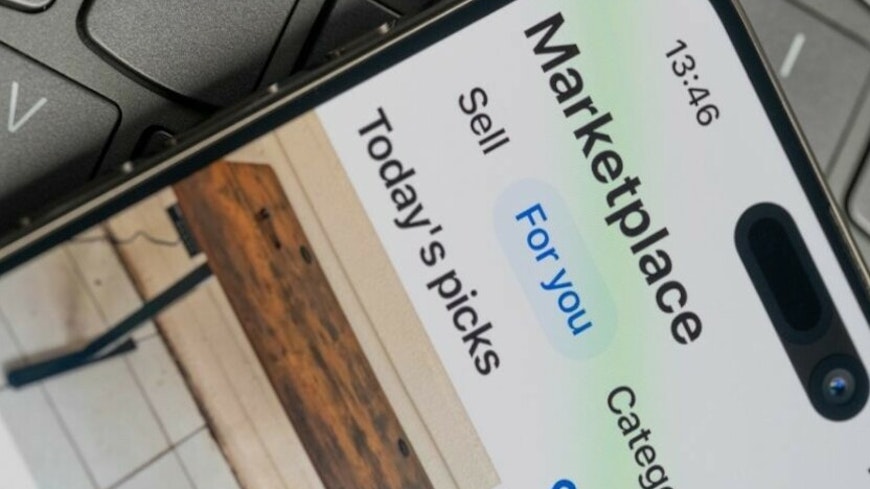
I’m a big fan of online marketplaces like Trade Me and Facebook Marketplace.
Buying second-hand can save money and is more sustainable than constantly buying brand new. Selling online helps recoup the costs of items you don’t want or need anymore.
Unfortunately, these marketplaces are risky. Scams are common and your bank won’t reimburse you if you’re the victim of a scam that starts via an online marketplace.
And it’s not just money you could lose. Sellers often report thefts of items they’ve listed for sale. And for both buyers and sellers, the information you provide to strangers increases your vulnerability to identity theft.
Use buyer protection on Trade Me
If an online marketplace provides a form of buyer protection, it’s important to use it.
Trade Me offers buyer protection on purchases made using its payment service, Ping, and those made using Afterpay. If your item doesn’t turn up, isn’t as described, or is damaged, you should be reimbursed.
Sellers on Trade Me can choose which payment methods they’ll accept. That means sellers can refuse to take payments made through methods that offer buyer protection. Proceed carefully when transacting with a seller who places this restriction.
And avoid sellers who only accept bank transfers – because if your item doesn’t arrive, neither Trade Me nor your bank will reimburse you.
Use PayPal when shopping on Facebook Marketplace
Facebook Marketplace offers forms of payment protection in other markets, but not in New Zealand.
If you’re making a purchase on Facebook Marketplace, using PayPal to make a payment can add a layer of protection.
PayPal’s buyer protection policy covers you if you received a different item to the one you purchased, a counterfeit product, or an item that has a defect that is not immediately obvious.
The policy does not cover goods that you collect in person or arrange to be collected on your behalf.
The policy also does not cover payments made using PayPal’s “friends and family” functionality.
If you’re looking to use PayPayl’s buyer protection, it’s important to identify it as a “payment for goods and services”. This will mean the seller will have to pay a fee – which they might want to pass onto you – but it means the payment will be protected.
PayPal’s buyer protection has a lengthy list of terms, conditions, and exclusions. We’d recommend reading these fully before using the service.
Keep an eye out for red flags in profiles
If I’m buying something on Trade Me, or buying or selling on Facebook Marketplace, I’ll always scrutinise a user’s profile for signs of a scam.
On Trade Me you should:
check the seller’s feedback – if they have a low number of transactions, or all their feedback looks suspiciously similar, treat them with caution
research the seller – search the seller’s username and location to see if they link to an authentic digital footprint. Finding details about a seller, like where they work or have their headquarters, or whether they’ve featured in a local news story or event, can help give you peace of mind about their identity.
On Facebook, be cautious if a profile:
was created recently
appears to be based overseas
is locked or lacks personal information.
And as with Trade Me, look for more information about the user online to confirm you’re dealing with a genuine person or business.
Treat your information like your money
It’s not just your money at risk during a transaction on an online marketplace.
When you buy or sell on Trade Me or Facebook Marketplace, you might be giving away a significant amount of personal information.
If you’re paying for something by bank transfer and having it delivered to your home, you might be giving a stranger your name, your account number and your address.
If you’re selling something and divulge your address, you might be advertising the location of an item that a criminal would like to steal. Last year, a Consumer NZ staff member had their car stolen days after advertising it for sale on both TradeMe and Facebook Marketplace.
Here are a couple of techniques sellers use to avoid having to give out their address. If you feel vulnerable, or are selling something criminals may be interested in getting their hands on – like a car – using one of these approaches may help you stay safe.
Offer delivery – if you’re selling to a local buyer, offer to drop the item off to them.
Meet in public – it’s not just scams you need to watch out for. Sellers have been robbed of items they’re arranging to sell. If you’re selling a valuable item, arrange to meet the buyer in a busy public place, like a supermarket, and take a friend. Or if, like me, you live in an apartment block, give the prospective buyer the address for the block, but not for your unit.
Another technique some sellers use is to alter the name they use on the platform slightly. The change doesn’t have to be drastic, just enough to create some separation between your online and offline life. Be aware, though, that doing this might hinder you making a purchase or a sale – particularly if the other person is as safety conscious as you are. But if you think you’re at risk, it’s better to be safe than sorry.
Don’t risk big money on sight-unseen deals
I live in a rural town, so sometimes when I’m looking for a specific item, I’ll use Trade Me or Facebook Marketplace to browse listings in a city.
This isn’t such a problem on Trade Me, where you can use Ping and get buyer protection but using Facebook Marketplace in this way, it’s a bit more risky.
We’d recommend using PayPal’s goods and services feature if you’re using Facebook Marketplace like this. However, if a seller doesn’t have PayPal and doesn’t want to use it, you’re only option will be to pay by bank transfer without seeing the product in person.
This is a risky way to use an online marketplace – if you’re going to do it, you’ll need to accept that your item might not turn up and you’ll lose your money.
I find that accepting this risk has an impact on my decision-making.
To start with, I take extra care with double-checking the seller’s identity. If I have any suspicions, I won’t go through with the purchase.
And I’ll only go ahead if it’s money I can accept losing, because I know I won’t be reimbursed if something goes wrong. Personally, I’d never spend more than $50 in this way.
Need our help?
If something’s gone wrong with a product or service, our Consumer Rights Advice Line experts can help you get a fair deal. Get personal, practical advice you can trust – included when you join from $15 a month.