By Bryan Wall
Product Test Journalist | Kaipūrongo Whakamātautau Hautaonga
We New Zealanders love our windows. Our highly glazed homes are designed to maximise sunlight and views. But the struggle to keep all that glass clean is ongoing and frequently thwarted by the weather.
So, what’s the easiest and best way to keep your windows clean?
Cheap and traditional window cleaning methods
Combined with a detergent, squeegees provide a good finish and are one of the cheapest options for cleaning windows. But technique is key. Professionals use a continuous horizontal zigzag movement, making sure the squeegee doesn’t leave the windowpane. They keep the cleaning liquid constantly moving downwards and use overlapping strokes to collect residue.
Squeegees are fine for easy-to-access windows but tricky for harder-to-reach ones. You can get extension poles, but the lack of control makes it hard to get a good result. You’ll think you’ve done a good job until the sun highlights the streaks you’ve missed.
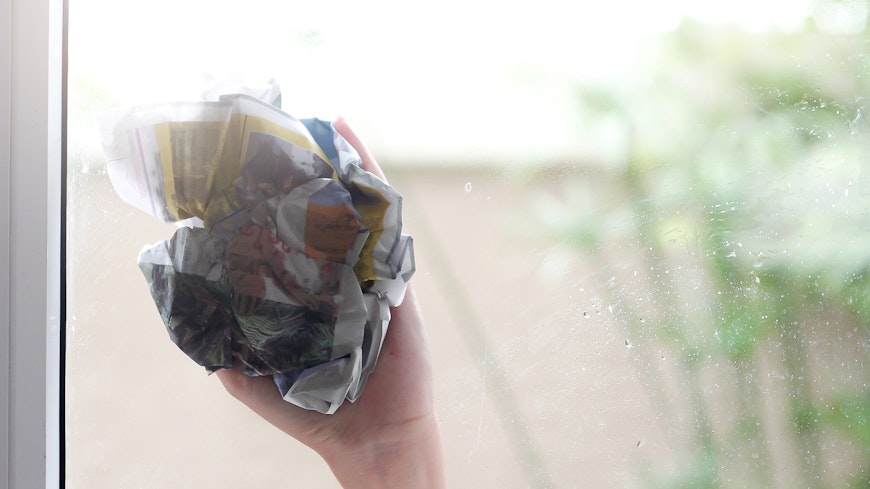
If your squeegee technique is lacking, you could revert to the even older-school newspaper method for cleaning your windows. Spray a mix of water and white vinegar onto the glass, then wipe it off with balls of newspaper. A ratio of 2 parts water to 1 part vinegar should do the trick.
Newspaper is lint free and mildly abrasive so is good for removing dirt. It can leave smudges though and is relatively labour intensive, especially if you have lots of glass. But it’s cheap and environmentally friendly!
Cleaning windows with microfibre
Perry Tait is the owner of Reach-it, a manufacturer of professional window cleaning gear. He’s developed a home window cleaning kit that uses microfibre pads to clean interior glass and a water-fed brush head for the exterior. You can find out more about it at MyWindowCleaner.
The kit contains:
different types of microfibre pads for different tasks – a standard ‘looped’ pad for everyday cleaning and a thicker ‘bobbly’ one for dirtier windows
a polishing pad
a chamois pad for removing any smudges
a water-fed brush head for cleaning exterior panes (more on this later).
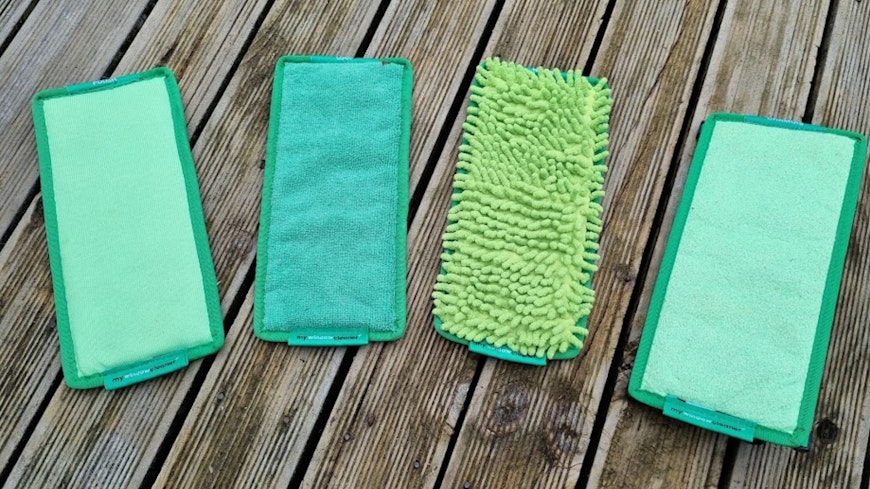
You don’t need to use detergent – the microfibre will ‘grab’ any dirt off the window. A small spray of water helps the pads slide across the glass. You can use a razor blade or the edge of a credit card to scrape off any stubborn dirt spots the microfibre can’t remove.
You don’t have to buy a kit if you fancy giving microfibre a go. Just grab a selection of cloths from your local hardware store. You’ll need one for the initial clean and another for the polish. You can also get the ‘bobbly’ cloths as gloves – great for applying a bit more elbow grease to those dirtier windows.
Window vacuums
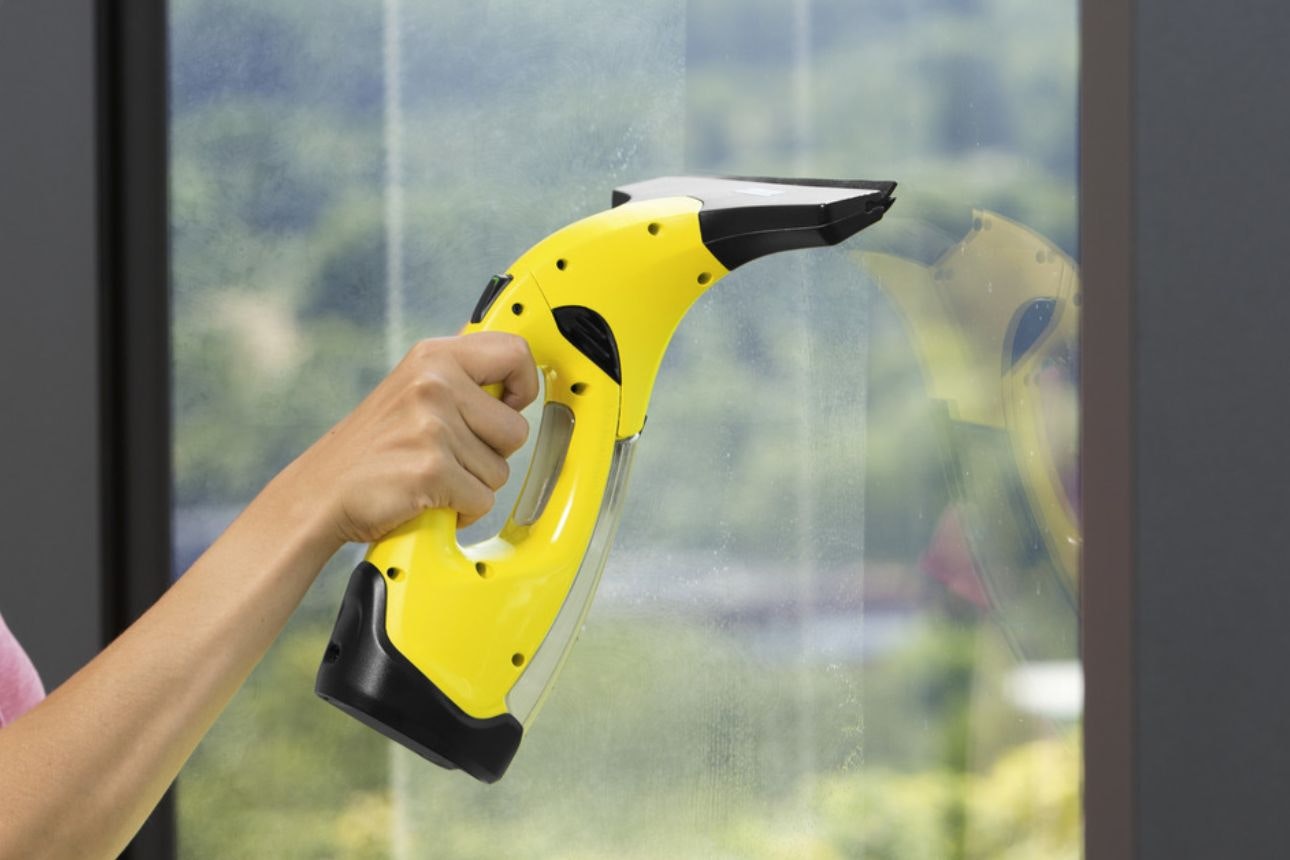
A window vacuum resembles a squeegee but with a built-in water tank and suction unit. The squeegee head has a slot along its length. The vacuum’s suction fan draws liquid off the window surface through the slot and into the tank.
Window vacuums aren’t particularly cheap (prices start from $99), but you’ll be so happy with the results, cost will be forgotten.
The process
Use a microfibre glove or cloth to wash the windowpanes with warm water (you can add dishwashing detergent if the glass is particularly dirty).
Use a window vacuum to suction up leftover liquid from top down.
Use a clean, dry microfibre cloth to buff and remove any dribbles.
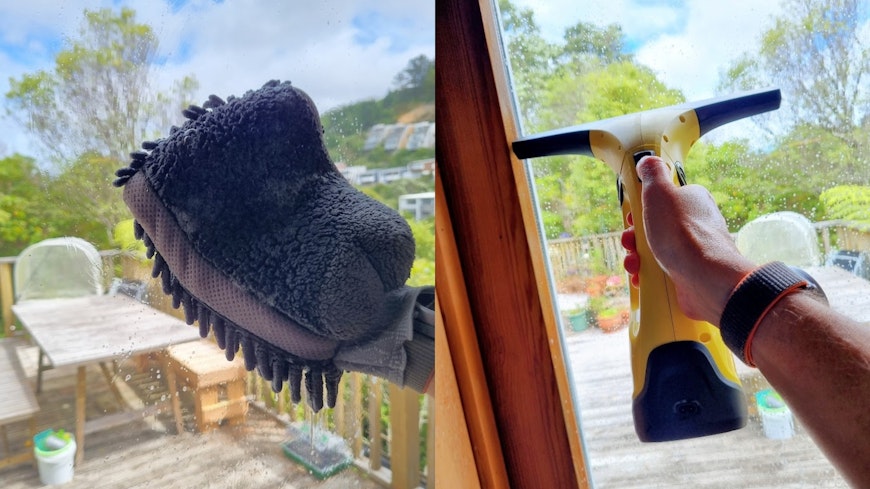
Window vacs work well both inside and outside. If you have a single-storey home, then all you’ll need to achieve a top result is:
a bucket of warm water with optional detergent
a window vac
a couple of microfibre cloths!
Window cleaning robots
Window cleaning robots look a bit like robot vacuum cleaners. But instead of vacuuming, the robot uses suction to cling to the window while cleaning it with a mopping pad and water jets. The bot moves on rubber track pads or by rotating its cleaning pads. It has sensors that detect the edge of the frame and change direction.
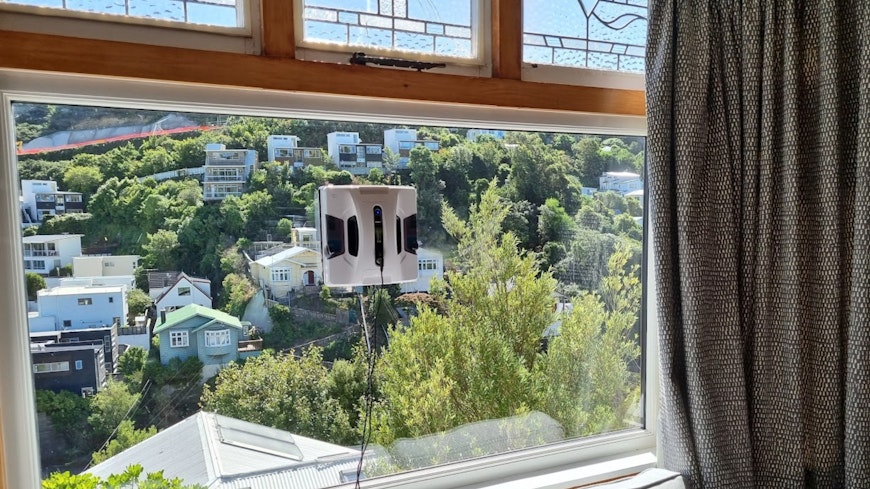
The major advantage of window cleaning robots is they can clean difficult-to-reach exterior panes. That makes them useful for apartments and multi-storey homes. However, you’ll need an adjacent opening window to be able to position the bot on the outside glass.
Robot vacs have other downsides.
Setting up the bot and cleaning a single pane can take several minutes. If you’ve got lots of windows, waiting for the robot to finish one and then manually moving it to the next is quite time consuming.
Bots tend to leave smears, especially if the glass is dirty – they’re better at ‘maintenance’ cleaning glass that isn’t too grubby to start with.
Bots don’t clean corners or edges very well.
They’re expensive.
Read our reviews of 3 window cleaning robots.
How does a professional window cleaner clean windows?
In New Zealand, you still see a lot of professional cleaners using buckets and squeegees. In the United Kingdom, most pros now pump purified water up water-fed poles to brush heads that scrub the window clean.
Regular tap water carries impurities and minerals. When the water dries, these minerals and impurities are noticeable as water spots on the glass.
Purified water is created by passing tap water through a bed of de-ionisation resin or a reverse osmosis membrane to remove the impurities.

Once the dirt has been removed, the brush is lifted off the pane, and water jets in the head rinse off any remaining loose dirt. The window is then left to dry naturally – without water marks.
It’s speedy and effective but only suitable for exterior window cleaning. The set-up cost is also expensive, and there’s an ongoing cost in the de-ionisation resin. This makes it hard to justify for the average family home.
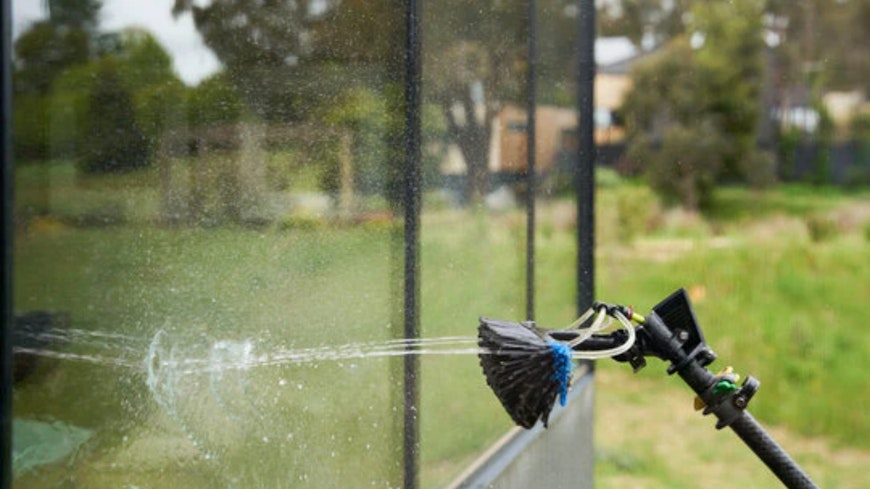
Building your own home professional window cleaning kit
You’ll need:
a 4L/5L resin tank (an easier size to carry) and resin - $300+ in New Zealand or NZ$200, including shipping from Australia
water-fed brush head – from NZ$100
extendable pole, 18’ (5.5m) – around $200 (you may not need this long a pole)
connectors and hose for brush head – around $100
water purity tester - $15 (to check water output and know when resin needs replacing)
replacement resin – around $50 a pack (one pack purifies around 1,000L).
Or you can buy a starter kit for NZ$700+.
Either way, it’s pricey. But when you consider you’ll pay upwards of $100 to professionally window clean a small single-storey home, it doesn’t take long to start saving money.
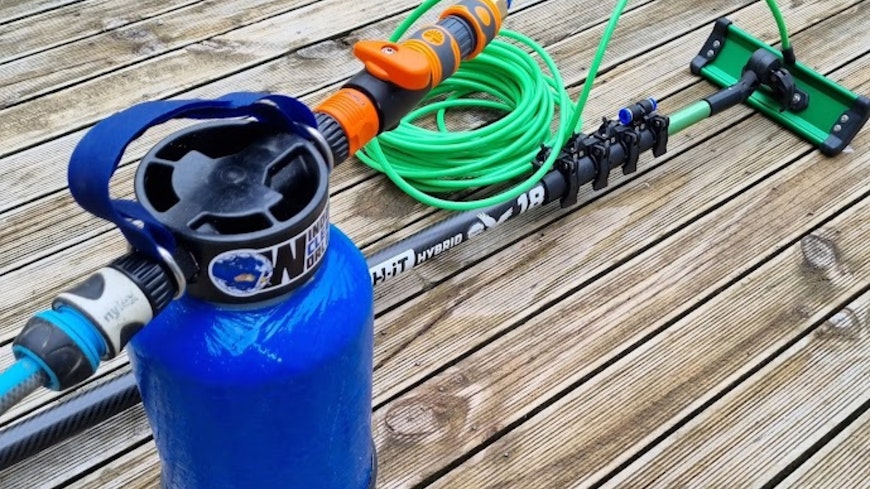
Steps to cleaning your windows like a professional
Set up your kit.
Make sure your tank has resin in it (check water purity if resin is old).
Attach the brush head connectors to the tank.
Attach the hose to an outside tap.
Turn on the tap and scrub the window frames with the brush and water (this avoids dirty frame water dripping onto clean glass).
Clean the windows, using the brush and working downwards in a zigzag pattern.
Lift the brush off the glass slightly and let the water jets rinse off the windows.
Allow the glass to dry naturally, spot free!
This process takes less than 2 minutes for an average-sized window.
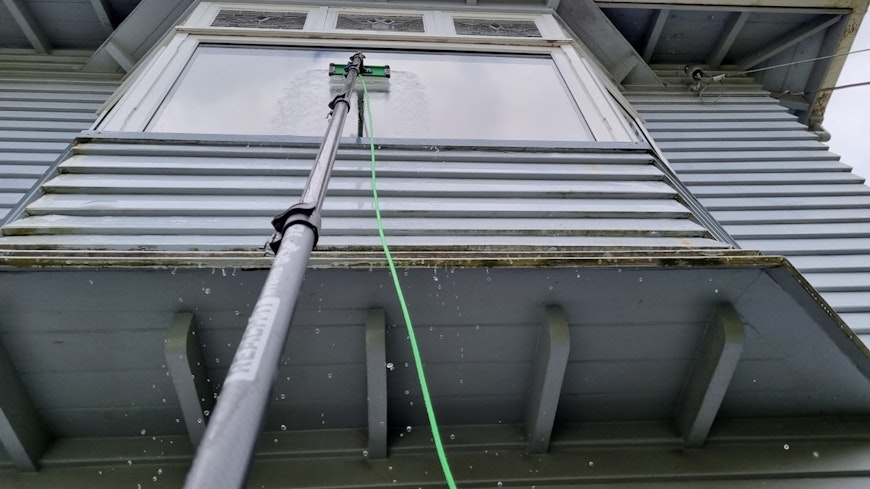
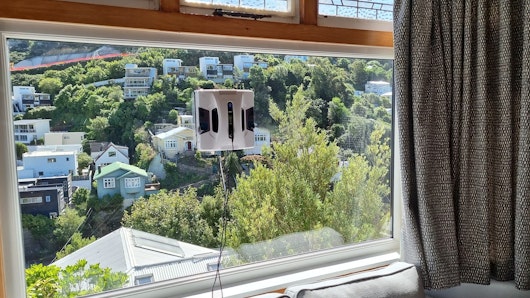
We trialled 3 window cleaning robots - are they worth it?
Learn about the pros and cons of the Hobot 2S, Rozie 1200 and Ecovacs Winbot W1 Pro.