Holiday plans cancelled or disrupted? Find out your rights when it comes to refunds, cancellation fees, double bookings and misleading advertising.
Need some personalised advice? Consumer NZ members can contact our Advice Line - our advisers will help you know your legal rights.
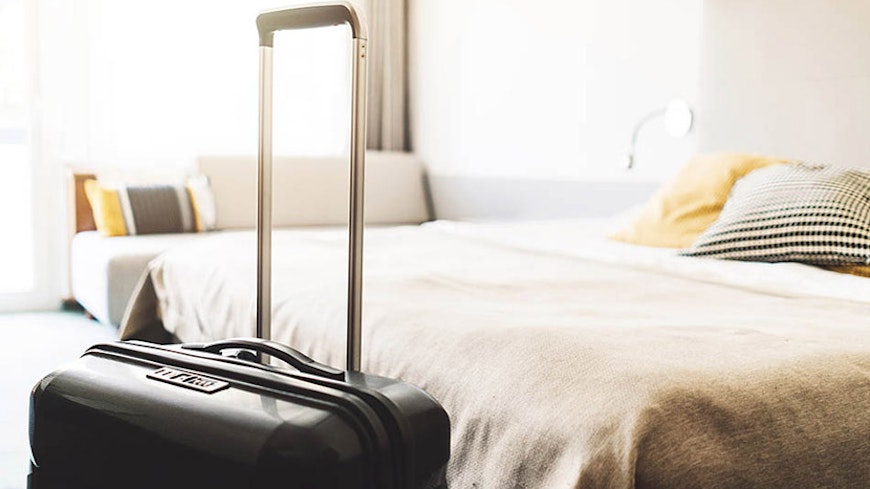
Can a motel or hotel still charge you if you cancel?
This will depend on the terms and conditions of your stay. When you book, it’s important to read the cancellation terms. They can vary depending on the rental website you booked through, the property owner and how much cancellation notice you give.
For example, at some properties, if you cancel more than 48 hours before you’re due to check in, you may not be charged, but if you don’t cancel until much later, it’s likely you’ll be charged a cancellation fee.
However, companies can’t just charge you whatever they want. It has to be fair, or it risks breaching the Fair Trading Act 1986. Excessive cancellation fees could also be considered penalties under contract law and open to legal challenge.
If you’ve been unfairly stung, you may be able to get a chargeback from your bank if you paid by credit or debit card. Alternatively, you could lodge a claim in the Disputes Tribunal for a refund.
What can you do when the accommodation isn’t up to standard?
If you booked a beach-front room and ended up with one that looks out onto the car park, or the room was dirty and you don’t want to stay there, you can ask the accommodation provider for a remedy.
Under the Consumer Guarantees Act 1993, accommodation must be provided with reasonable care and skill and be fit for purpose. The Fair Trading Act also prohibits traders from making misleading claims or misrepresenting a property.
If your accommodation provider doesn’t sort the problem, you can make a claim through the Disputes Tribunal.
What can you do if the accommodation provider cancels your booking?
You’re entitled to a full refund. Some sites give you the option of transferring your payment to another property, but you don’t have to accept this offer. You can take the money and go elsewhere.
You may also be able to claim back any additional costs you incur as a result of the cancellation. For example, if you’d booked somewhere to stay after a concert for $200 per night but the provider cancels and the only other accommodation you can find is $300 per night, you could ask the original provider to cover the difference. If they refuse, you can take them to the Disputes Tribunal.

Need our help?
If something’s gone wrong with a product or service, our Consumer Rights Advice Line experts can help you get a fair deal. Get personal, practical advice you can trust – included when you join from $15 a month.
What if I can’t use the accommodation because of something like a pandemic or a storm?
First up, check the terms and conditions you were given at the time of making the booking. Look for a clause that states what happens if the accommodation can’t be used due to events outside the control of the parties. These terms sometimes use the words “act of god” or “force majeure”.
Any cancellation terms must be fair. If they’re not, the provider risks breaching the Fair Trading Act (FTA).
In our view, a term that lets the company keep a sizable chunk or all of your money is likely to be unfair and open to challenge.
If there’s nothing in the terms and conditions that states what happens, then you can rely on the Contract and Commercial Law Act (CCLA).
The CCLA applies where a contract is “frustrated” – that is, it can’t be fulfilled due to events outside the parties’ control. It gives you the right to request a refund and limits what the company can charge to its reasonable administration costs.
A Consumer NZ member successfully took an Airbnb host to the Disputes Tribunal after the host refused a refund for a booking cancelled because of the August 2020 lockdown.
What happens if the terms entitle you to a refund but your accommodation provider refuses?
Contact your bank to ask about a chargeback (a refund to your card) if you paid by credit or debit card.
Alternatively, you could take the provider to the Disputes Tribunal.
What if the accommodation provider accuses you of causing damage?
If you’re confident you left it spick and span, go back to the proprietor and ask for evidence of the damage. If you get charged for damage you didn’t cause, take them to the Disputes Tribunal.
I was never shown any terms and conditions when I booked, but the company is now quoting them at me to refuse a refund. Do they apply?
No. Terms and conditions only form part of the deal if they were disclosed to you prior to making the booking.
Providers can’t just make up terms to suit themselves when circumstances change. The terms need to have been in place at the time the contract is made. Any attempt to impose new terms on a consumer is likely to breach the FTA.
Can I claim compensation if the property is double-booked?
Yes. The Consumer Guarantees Act requires traders to carry out their services with reasonable care and skill. So if the property is advertised for rent when it’s not available, you’re entitled to a refund as well as reasonable consequential losses (the extra expenses you incurred).
If you’re refused a refund, head to the Disputes Tribunal. Alternatively, if you paid by credit or debit card, talk to your bank about a chargeback (a refund to your card).

Know your consumer rights
Got a problem with a product you bought? Or maybe your flight has been delayed or cancelled? Whatever the problem, we can help.