Some online fashion websites are misleading shoppers by posing as local stores and sending shoddy goods – or worse, sending nothing at all. Known as ‘ghost stores’, these fake online shops are a growing form of scam. But there are ways to spot them, and if you do get caught out, ways to get your money back.
“I was just scrolling through Facebook, and this ad came up for a beautiful dress on sale at Elyse Auckland,” Anna tells us. “It looked so comfortable and pretty, and I thought it would be good for the summer, so I put in an order for two.”

Anna spent $124 on the dresses and postage, but when they arrived, the dresses weren’t as advertised.
“They’d claimed the dresses were premium cotton. I put my hand in the parcel to pull out the first dress, and as soon as I touched it, I knew it wasn’t cotton. I pulled it out, and it was like a children’s tent.”
“I didn’t even want to try them on, so I decided to send them back.”
In a lengthy back and forth, Elyse Auckland’s customer service team attempted to talk Anna out of a return, offering heavy discounts on further sales. However, suspecting further products would be equally poor quality, Anna insisted on a return and refund, and Elyse Auckland eventually relented.
The problem was that Elyse Auckland doesn’t exist, and the return address for the business was in China.
“I packed up the dresses and took them to the post office, and that’s when I found out it was going to cost $66 to send them back … I sent them off, waited for ages and, after a few weeks, I received a parcel from China, and it was my parcel – the post office told me the recipient had refused the delivery. It also told me it’d had quite a few ladies come in recently who were upset about very similar incidents.”
Anna was now $190 out of pocket, with two unwearable dresses to show for it.
“I can’t afford to waste that sort of money, and it's a real knock to pay that much and not receive what I’d expected.”
Number of ghost stores on the rise
Anna’s story is just one of the complaints we’ve heard about ghost or fake stores.
Ghost stores look like local and legitimate businesses, but don’t physically exist in New Zealand.
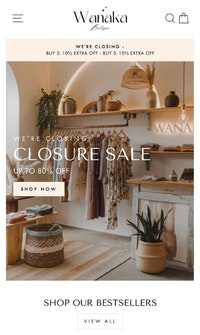
These fake stores often have a posh-sounding name that includes a location in New Zealand. In some cases, the stores will say they’re closing down and are holding a final sale.
The Commerce Commission has also received reports about bogus boutiques, including Wanaka Boutique, Milla Wellington, Tauranga Boutique and, Elyse Auckland.
Last year, the commission received 268 complaints about ghost stores.
How to spot a ghost store
A few online checks will help you steer clear of ghost stores.
Check the store has a physical address and contact details if you want to call or email them later. A Google Map search is useful for seeing whether the store actually exists.
Look up the Companies Register to see whether the business has registered in Aotearoa.
Be wary of slick branding, generic or AI produced images, and ads on social media.
Check the social media profile and see how long the store has existed for. If it has few followers, likes or posts, it could be a sign it’s not a legit business.
Be suspicious of closing down sales and big discounts.
Before purchasing anything, check the shipping, return or refund information on the website to see where goods need to be returned to if you’re not happy with them.
Check what payment methods are accepted. A real retailer will have multiple ways to pay for goods, while fake store may only have one when you get to the checkout.
What to do if you’ve bought from a ghost store
All businesses operating in Aotearoa are required to comply with the Fair Trading Act and Consumer Guarantees Act.
But because fake stores are usually based overseas, it can be very difficult to make them fix issues and comply with our laws.
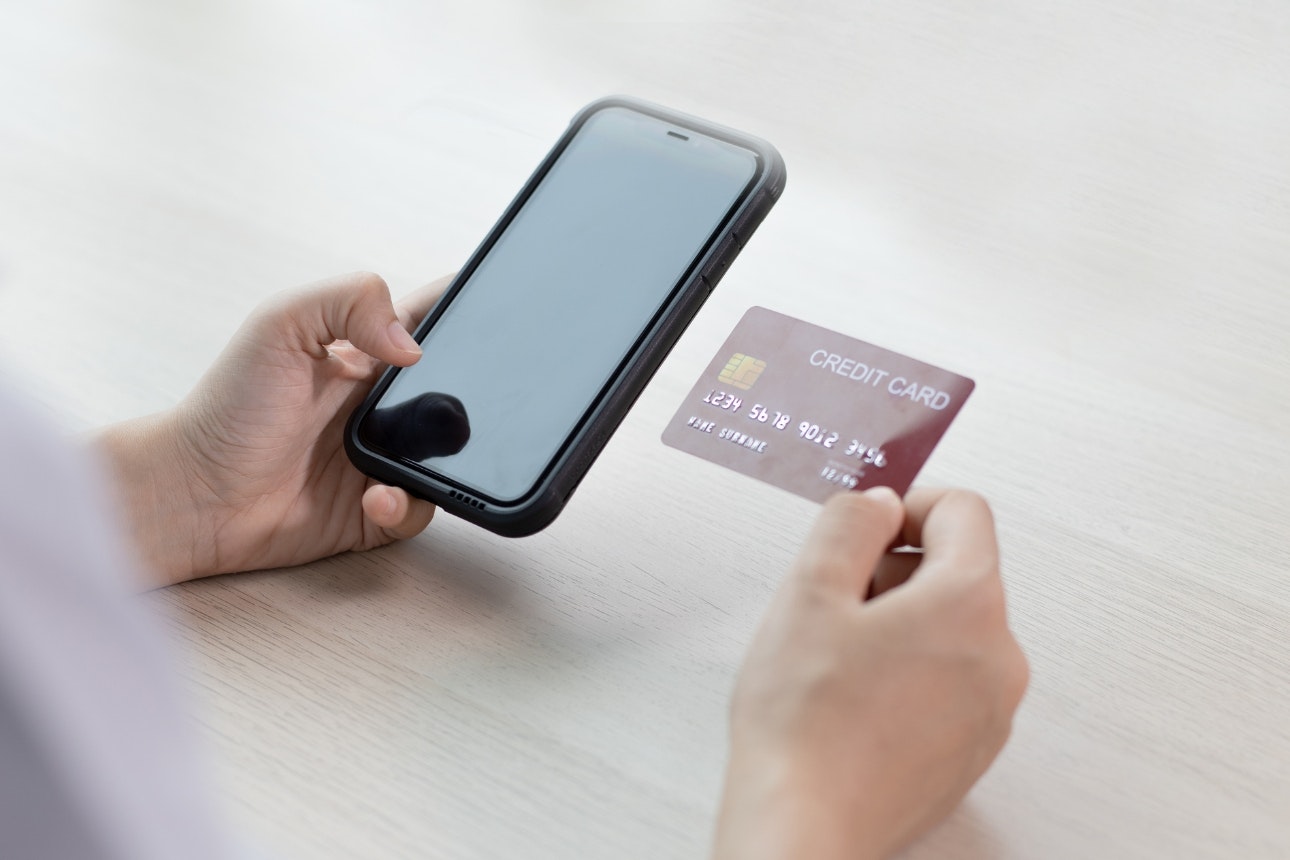
If you’ve bought a substandard item from a fake store, rather than spending a lot of money returning it to the ‘store’, we recommend you ask your bank for a chargeback.
A chargeback is where money you have paid to a retailer for an item using a debit card or credit card is reversed out of that retailer’s account and funded back to your own.
You can use a chargeback in a range of situations, including when you’ve paid for goods and services that weren’t as described, the goods don’t arrive or are faulty. You may still be required to return the goods but if the Consumer Guarantees Act has been breached, you shouldn’t have to fork out any extra to return them.
Reporting ghost stores
If you’ve ordered something and didn’t receive it from an online store, along with getting a chargeback, you can also report the store by emailing the Domain Name Commission on [email protected].
If the store only has a social media profile, you can report it to the platform (e.g. Facebook or Instagram).
You can also report the fake store to the Commerce Commission.
Stamp out scams
Scams are on the rise, with over a million households in NZ targeted by scammers in the past year. Help us put pressure on the government to introduce a national scam framework that holds businesses to account.