By Nick Gelling
Product Test Journalist | Kaipūrongo Whakamātautau Hautaonga
Online privacy is about trust. You might be happy to share information about yourself, your relationships and behaviours with some trusted people or companies.
But this Privacy Week, it’s important to remember we’re all sharing more than we know, and often getting a bad deal. We’ve collated some advice on how to start reclaiming ownership of your data.

1. Treat your data like it’s worth something.
If a service is free and has little to no advertising, it probably makes money by collecting user information and selling it to someone else. Your data is big business, so act like it has monetary value, and use that to weigh up how valuable the service will be to you.
2. Think again about petrol cards, Flybuys and other loyalty schemes.
Loyalty cards used to be about getting you back in the door. Now, the calculus has changed – many loyalty schemes are big data operations that leverage your shopping data and sell it to other businesses. Are the nominal rewards you get in return still worth it?
3. Take care when entering competitions.
Giveaways are incredibly effective ways to gather data from the public. Make sure you trust a company before you trade your data for a chance to win, and – as we learned first-hand last year – always double-check the “competition” is genuine.
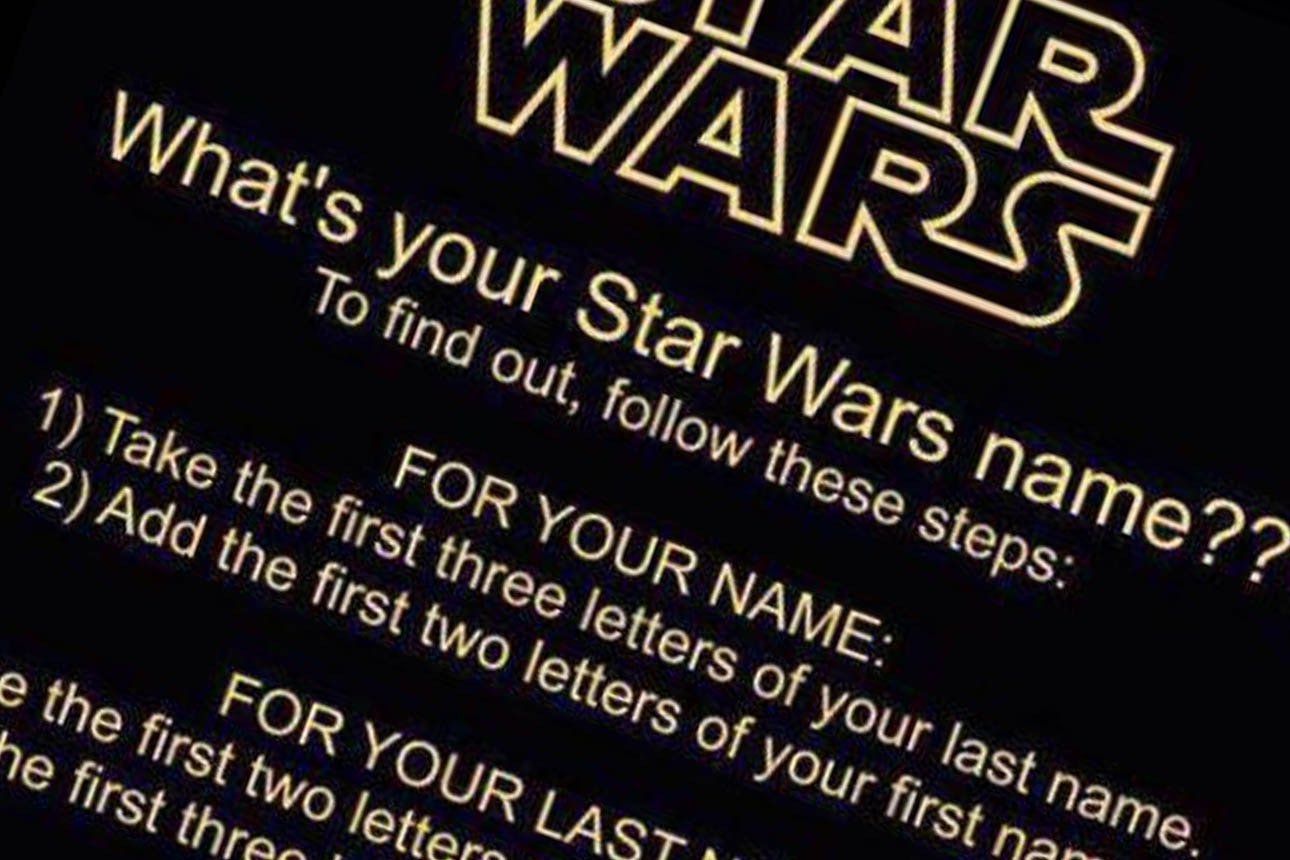
4. Don't respond to viral Facebook questions with personal information.
On social media, bad actors can pick up your information without you giving it to them directly. Be very careful with your comments on public posts, especially with biographical details that could be used maliciously.
5. Understand
If you feel your privacy has been breached by a business, individual or government, you can make a complaint. Complain to the business first. If the response isn’t good enough, you can elevate the complaint to the Office of the Privacy Commissioner.