
Australian test reveals unsafe toys purchased from Shein, AliExpress, eBay and Amazon

17 of 24 toys purchased at online marketplaces Shein, AliExpress, eBay and Amazon were found to be unsafe. These products failed Australian mandatory button battery standards.
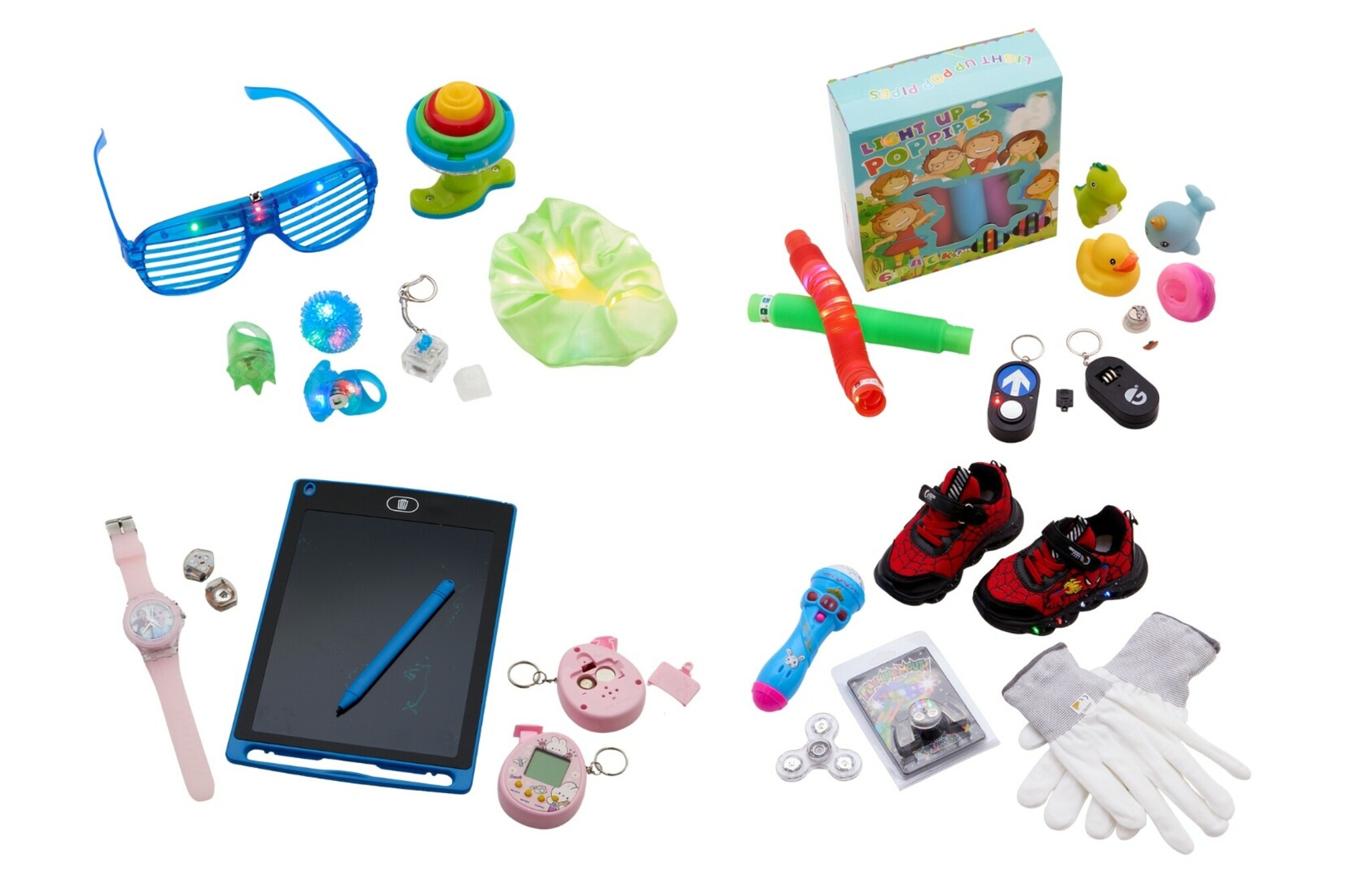
Consumer NZ is concerned about the latest toy testing results from Australian consumer group Choice’s test of toys. Choice bought 24 children’s toys and found more than 70% of those tested were putting kids at risk of serious injury. Unsafe products included a toy watch, rubber bath toys, a fidget spinner and a keyboard button keychain.
The Choice test found:
All Shein products with button batteries had serious failures. These included a lack of suitable warning labels and insecure compartments.
All eBay products had serious failures. These included a light-up mouthguard with no warning labels and insecure compartments.
All AliExpress products with button batteries had serious failures. These included a lack of labelling and captive screws (these are battery compartment screws or fasteners that must stay attached to the cover when removed).
3 of the 5 products purchased from Amazon had serious failures. Most included a lack of labelling.
The products sold on Kogan marketplace met mandatory Australian standards.
Choice contacted the online marketplaces and got a mixed response:
Amazon and eBay removed the unsafe products (although they shouldn’t have been sold in the first place).
AliExpress rejected the findings as unsubstantiated.
Shein did not respond to Choice.
For the full Choice test results, read its report.
This isn’t the first time we’ve reported on unsafe products containing button batteries bought online. Last month, we published an investigation which found unsafe children’s toys, USB chargers and necklaces purchased from Shein and Temu.
In February, we found safety concerns in a selection of children’s toys in our investigation into the safety of kids’ toys from Temu.
The dangers of button batteries
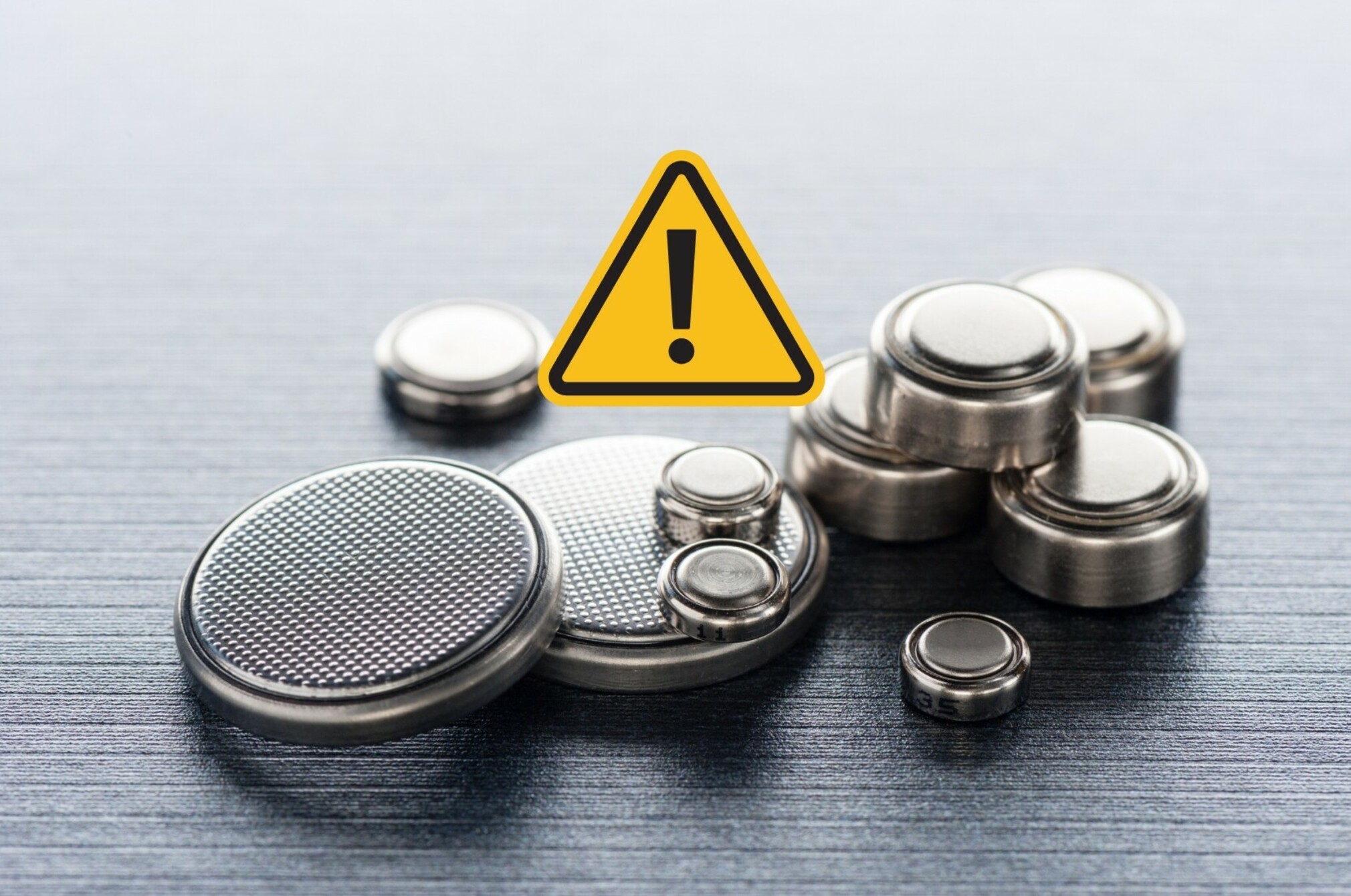
Button batteries are small, round batteries used to power objects like hearing aids, toys and watches. They can range in size, from the size of a 20c coin to the size of a pea.
When button batteries come into contact with fluids, including saliva, a chemical reaction occurs. This reaction can cause burns and tissue damage.
If swallowed, button batteries can pose a choking risk.
If the battery becomes stuck in the digestive system or elsewhere in the body, it can cause significant, irreversible damage in as little as 2 hours.
It is estimated that around 20 children are taken to the children’s hospital in Auckland each year because of button-battery-related injuries or suspected ingestion.
The government department responsible for product safety in New Zealand (the Ministry of Business, Innovation and Employment) said over 60% of button-battery incidents are caused by batteries coming loose from products, while 29% are caused by batteries being incorrectly disposed of or stored.
Children deserve better protection
Guidelines released in 2018 (and reviewed in 2023) say that products using button batteries should have two release mechanisms, which must both be activated to free the batteries. Also, the product should pass ‘use and abuse’ tests to help ensure battery compartments can’t be opened during everyday use. But the guidelines are only voluntary – comparable guidelines are mandatory in Australia.
Although we’ve been calling for the button battery standard to be mandatory, children also need better protection from unsafe products being sold on online marketplaces.
Consumers in the European Union (EU) have the protection of the Digital Services Act (DSA). The DSA requires online platforms to act against non-EU-compliant products on their websites – even those from third-party sellers. The act is designed to ensure consumers can access safe, predictable and trustworthy online environments, including online marketplaces.
We think it’s time consumers in Aotearoa had access to the same protections.
In the meantime, we strongly recommend you do not purchase children’s toys from Shein, Temu, eBay, Amazon and AliExpress.
It's a good idea to check any toys purchased from other online platforms too, as well as from stores in Aotearoa.
Button batteries can also be found in other products. These may include remote controls, car keys, and calculators. Keep these items away from children and keep spare button batteries locked away.
Tips for buying safe toys
Whānau Āwhina Plunket National Injury Prevention (Child Safety) manager Kathryn Impelmans says that not all toys are created equal. She advises, before buying any toy, you check the safety of these six factors.
Size – big enough not to choke on
Surface – smooth edges, no cracks or jagged bits, no sharp bits
Strings – not too long
Supervision – some toys need you there observing their use
Sound – not too loud for little ears
Specs – check the packaging for information on hazards, small parts and the right age range for children.

Is lead lurking in your home?
Lead poisoning is a serious public health issue. We investigate where it might be hiding in your home, including in cosmetics and cheap tapware.
Member comments
Get access to comment