By Nick Gelling
Product Test Journalist | Kaipūrongo Whakamātautau Hautaonga
While heat pumps, wood burners and pellet burners are cheaper to run, there’s still a place for the humble electric heater – they’re essential for renters and don’t come with the large upfront installation costs of fixed appliances.
Electric heaters are all equally energy efficient. They convert all the electricity they use into heat. The difference is how they distribute that heat into a room. Find out the best and most economical types of heater for each room of your home.
Convection heaters: Oil column and panel
Convection (or convector) heaters are designed to provide background warmth. They warm the air around the heater, which then circulates around the room by natural air flow.
Convection heaters without fans are slow to heat a room evenly, but also very quiet. As such, they’re perfect for running overnight in a bedroom (especially if they have a thermostat or timer).
The upright column heater is a popular type of convection heater. Historically, they’ve been known as oil heaters, but some of today’s column-style heaters are oil-free.
Best oil free column heater
Best oil column heater
Box-style convection heaters are some of the simplest and cheapest products on the market. They feature a heating element in the bottom and a grille at the top to let warm air out.
Best cheap convection heater
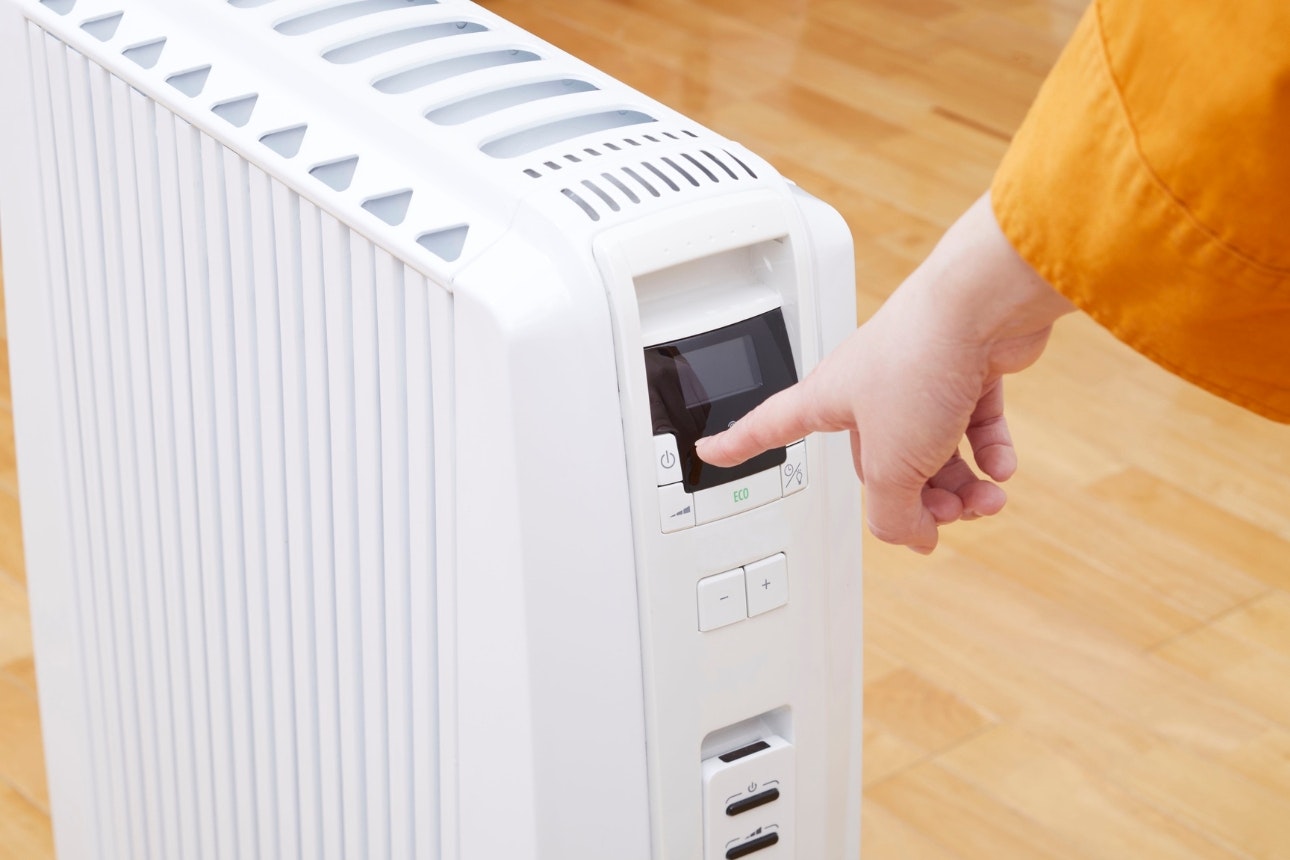
Panel heaters are long, narrow convection heaters. Sometimes, they mount permanently on a wall, but you can also buy portable panel-shaped heaters.
Best panel heater
Night-storage heaters are permanently installed convection heaters that use off-peak night-rate electricity to store heat for slow release during the day. They are old technology, essentially made obsolete by the heat pump. There are very few storage heaters on the market today.
Fan heaters: Tower and ceramic
Convection heaters with built-in fans behave differently to other convection heaters. They distribute heat more evenly, making the room feel warm much faster (even if the amount of heat generated is actually the same).
For larger areas, a heat pump is the ultimate fan-forced heater, but plug-in fan heaters can also be a better choice than radiant heaters or fan-free convection ones.
Tower heaters can handle a small living room. Their tall design spreads heat well, and they can usually swivel to cover a wide area. Just be aware of the noise they generate. Most tower heaters use ceramic heating elements.
Best oscillating tower heater
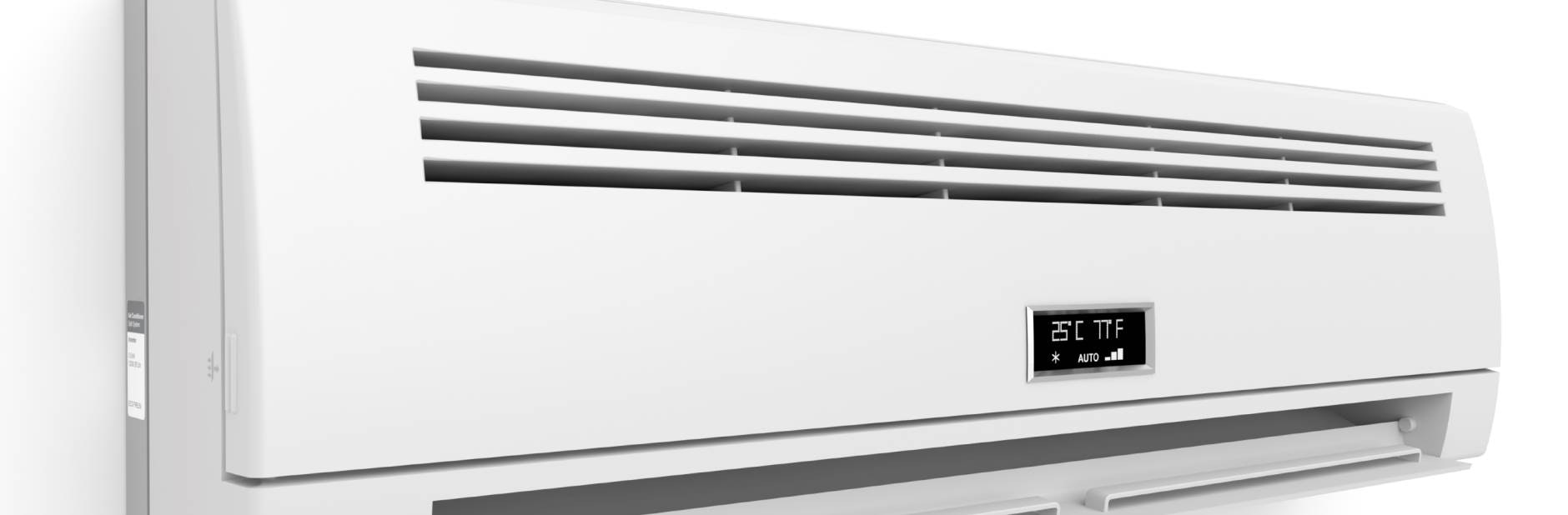
Ceramic fan heaters are also available in other shapes and sizes, including wall-mounted boxes that look like heat pump units.
Personal fan heaters direct a blast of warm air onto your body. They can also heat up a small room quickly.
Radiant heaters: Micathermic and infrared
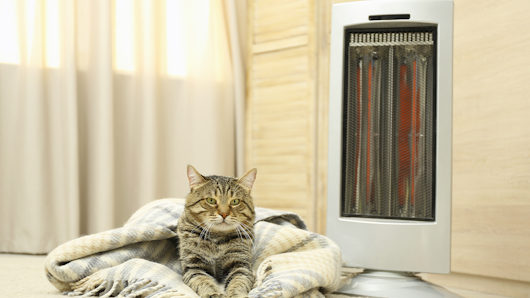
These fundamentally differ from all other electric heaters. Rather than heating the air, they radiate heat directly onto objects (including people) in the room. It’s the same technique used in bathroom heat lamps and also, more or less, how the sun works.
Infrared heaters are best for providing quick heat to people in a room. They’re also the only electric heaters appropriate for outdoor use. See our test of infrared panels against other electric heaters.
Micathermic heaters blend convection and radiant heating. They look and behave like convection heaters, but with additional infrared warmth, meaning they heat both the air and the room’s objects simultaneously.
Which features do I need in an electric heater?
Thermostats help maintain an even temperature and conserve electricity.
Timers let you turn a heater on before your alarm goes off in the morning or turn a heater off after you’re in bed.
Fans help warm a room faster and distribute air more evenly by preventing heat build-up near the ceiling. Before you buy a heater with a fan, try to listen to it in the shop – some are surprisingly noisy.
Which size of electric heater should I buy?
Our table allows you to estimate the capacity of heater you’ll need to maintain a comfortable temperature.
The table assumes a standard ceiling height of 2.4m. If you have high ceilings, adjust the estimates up.

Could your next power bill be smaller?
Powerswitch is the free, independent way to check your power plan in just 3 minutes, and see if you could save - backed by Consumer NZ.
What do electric heaters cost to run?
All plug-in heaters are expensive to operate compared with heat pumps, wood burners and pellet burners. Electricity for plug-in heaters costs between 24 and 47 cents per kWh depending on your power retailer and plan.
If you run a 2kW heater on high for 5 hours per day at a cost of 30 cents per kWh, it will amount to $3 per day or about $90 per month. Using a thermostat can reduce this cost.
Compare electric heaters
Keep warm with one of our tested heaters. We’ve tested all types of plug-ins including oscillating towers, micathermics, convection, fan and oil-column.